
Reflections on Women's Rights in Morocco
Every year on March 8, the world commemorates International Women's Day, a significant occasion that the women's rights movement in Morocco, as well as in other countries, utilizes to reflect on its journey and to pose critical questions regarding achievements and setbacks related to actual gender equality. Over the last two decades, Morocco has witnessed notable legal and institutional transformations. These changes range from legislative reforms to an increased presence of women in both public and professional spheres. However, despite the importance of these advancements, they continue to confront a complex cultural and social reality where stereotypical representations and traditional mindsets perpetuate various forms of discrimination and symbolic violence.
Challenges to Real Equality
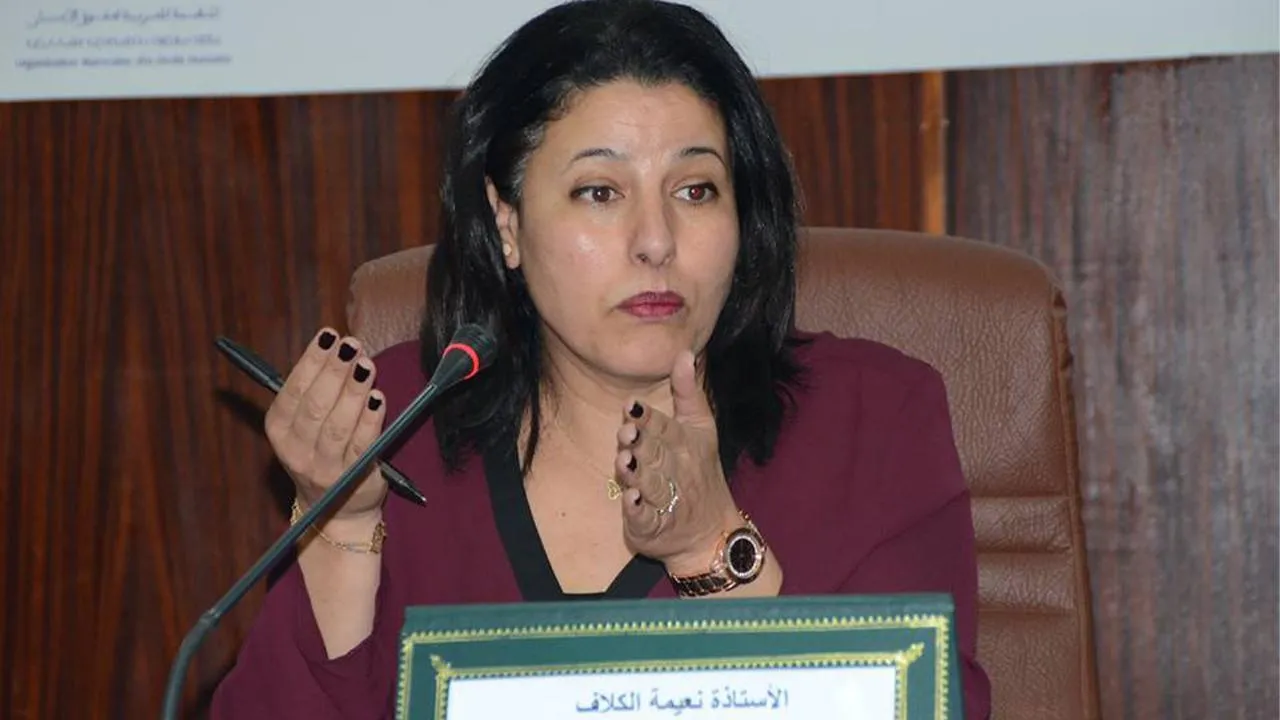
In this context, lawyer and human rights activist Naima Al-Kalaf has emphasized that the status of women in Morocco has undergone only slight changes concerning laws, which still require significant alterations to enhance women's conditions across all levels, as well as to align them with the constitution and relevant international agreements. Al-Kalaf pointed out in a statement to the "Voice of Morocco" newspaper that, realistically, the situation for women has deteriorated alarmingly, both economically, with challenges accessing the job market, and socially, marked by instability, rampant violence, and discrimination against women. Additionally, civil and political exclusion persists, which hinders women's access to decision-making positions and necessitates a strong and clear political will to reinforce women's human rights.
To achieve genuine equality between women and men, the lawyer, who is also a leader in the Democratic Left Federation Women’s Organization, argued that it is essential to "activate two parallel engines moving at the same speed." She elaborated that the first engine is legal, signifying the necessity to amend and change all discriminatory laws that obstruct women's enjoyment of their rights. The second engine is related to reality, asserting that the rhetoric of equality must translate into a tangible reality represented in various aspects of social, economic, political, and cultural life.
Furthermore, the human rights activist warned that "cultural heritage and male mentality among both men and women" are among the factors that obstruct actual equality. She emphasized that "the toughest battle for achieving equality is the battle of mindsets, which requires greater effort and time because it is incredibly challenging," advocating for the need to promote gender equality education. The conversation concluded with the speaker from "Voice of Morocco" highlighting that the women's movement still has much work ahead to attain real equality, as the struggle is multidimensional, encompassing legal, cultural, social, economic, and political aspects. She expressed a desire for women to reach decision-making positions in political, social, and economic arenas to shift the male-dominated societal environment that marginalizes women and places them in background roles, impacting their lives in various ways.
It is worth noting that Morocco's highest legislative document, the constitution, states in the first paragraph of Article 19 that "Men and women enjoy, on an equal footing, civil, political, economic, social, cultural, and environmental rights and freedoms, as stipulated in this chapter of the constitution and its other provisions, as well as in the international agreements and charters ratified by Morocco, all in accordance with the provisions of the constitution and the constants of the kingdom and its laws." The second paragraph further adds that "the state seeks to achieve the principle of parity between men and women and establishes for this purpose an authority for parity and the fight against all forms of discrimination." On the international level, Article 2 of the Universal Declaration of Human Rights asserts that "Everyone is entitled to all the rights and freedoms set forth in this declaration, without distinction of any kind, such as race, color, sex, language, religion, political or other opinion, national or social origin, property, birth, or any other status."
As reported by thevoice.ma.