
Highlighting the Natural Heritage Knowledge
The 8th Cultural Florilège in Rabat recently showcased the presentation of the book "Vascular Plants in Morocco: A Compilation of Scientific and Vernacular Names" by Professor Souad Skalli. Published by Mohammed V University, this comprehensive 240-page work is the culmination of two decades of dedicated research into Moroccan flora.
This significant publication documents over 1,400 plant species, cataloging their scientific names as well as their designations in French, Arabic, and Amazigh. Designed as both an educational and scientific tool, the book addresses practical needs in toxicology and public health by facilitating the identification of plants associated with poisoning cases. The speakers highlighted the importance of this publication, which is poised to become a vital reference for researchers, students, healthcare professionals, and stakeholders committed to preserving national biodiversity.
Agadir: A Hub for Emerging Documentary Storytelling
In Agadir, the International Documentary Film Festival (FIDADOC) continues its mission to nurture and support young talent. This year, the festival's flagship program, the "Documentary Hive," gathered around sixty participants from Morocco, Africa, the Arab world, and the diaspora.
The workshops, residencies, and project presentation sessions provide aspiring filmmakers with a unique opportunity to develop their narratives while engaging with industry professionals. Among the projects highlighted is "The Path Without Heir" by Fadoua Al Menzhi, which focuses on the last shepherds of the Eastern High Atlas. The festival also featured the screening of the documentary "This is Not a French Film" by Franco-Beninese director Tom Adjibi. Through a commentary on the representation of racially diverse actors in contemporary cinema, the work explores concepts of identity, visibility, and belonging, while examining the mechanisms that shape audiovisual narratives.
As reported by quid.ma.
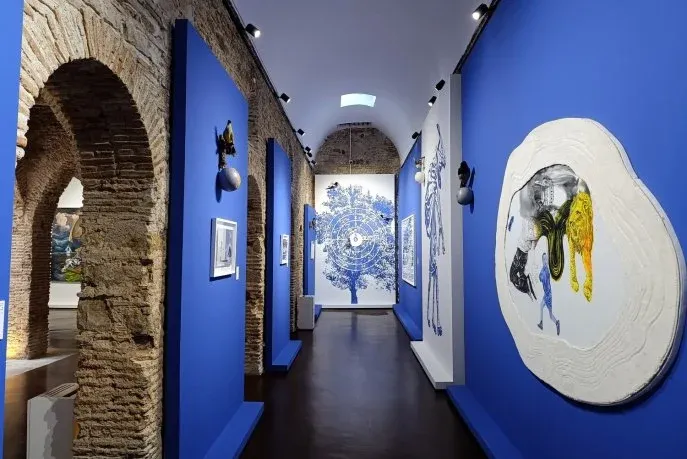
In Tangier, the Kasbah Museum - Contemporary Art Space is currently hosting the monographic exhibition "Only Hang by a Thread" by Moroccan artist Mohamed Lekleti, organized as part of the Mediterranean Season 2026. This exhibition, a collaboration between the National Museums Foundation and Frac Occitanie Montpellier, features a diverse array of drawings, paintings, hybrid sculptures, and on-site creations. While not adhering to a singular theme, the collection encourages a reflection on control mechanisms, media representations, exile issues, and fragmented identities. The artist has structured his work around three major themes: play, myth, and territory, with some pieces specifically created for the museum spaces, including two new sculptures made for this occasion. A second part of the exhibition will be shown in Montpellier starting in September, enhancing the cultural dialogue between the two shores of the Mediterranean. Born in Taza, Mohamed Lekleti is celebrated for his unique work that combines mastery of drawing, painting, and the use of objects imbued with memory and symbolism.
Digital Innovations Supporting Culture and Craftsmanship
In Rome, author Yassin Adnan introduced his novel "Hot Maroc," translated into Italian and nominated for the Pisa Book Translation Award. Through the story of a character grappling with the upheavals of digitalization and social media, the author offers a critical perspective on the transformations within contemporary Moroccan society. His Italian tour also allowed audiences in Turin, Bologna, and Salerno to explore the flourishing Moroccan literature scene. Meanwhile, in Rabat, digital innovation has made strides in the handicrafts sector with the launch of the "Artisway" application. Developed by the State Secretariat for Handicrafts, the Artisan House, and the Digital Development Agency, this platform enables users to locate sales spaces and artisan complexes throughout the Kingdom.
This initiative aims to enhance artisans' visibility, improve consumer access to authentic products, and support the digital transformation of a sector that serves as a major economic and cultural pillar. It also aligns with Morocco's preparations for the 2030 World Cup. Through these initiatives, Morocco reaffirms the richness of its cultural life and its ability to blend knowledge, creativity, heritage, and innovation.