
Cultural Vibrancy Across Morocco: Festivals and Events
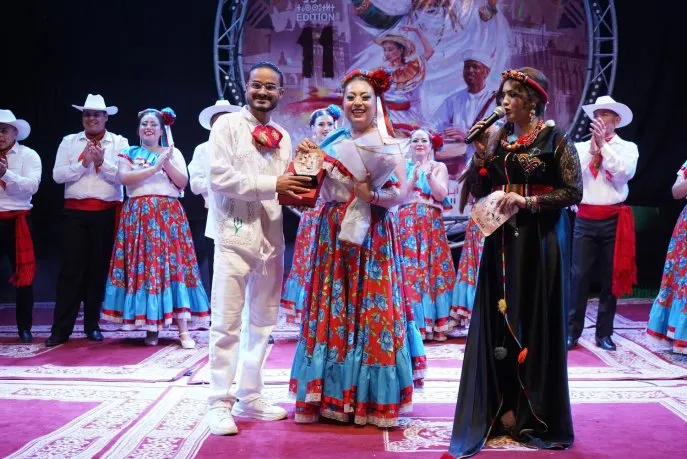
The Moroccan cultural landscape is currently buzzing with an array of vibrant events that celebrate storytelling, literature, and humor. From the enchanting city of Zagora to the historic streets of Rabat, the creative spirit of Morocco is on full display. The 11th edition of the International Festival of Storytelling and Popular Arts in Zagora has brought together an eclectic mix of storytellers and artists from Morocco as well as international participants from countries like Mexico, Europe, and Asia. This festival underscores the pivotal role of storytelling as a medium for cultural expression and artistic exchange.
The opening night of the festival featured a captivating blend of local traditions and global influences, showcasing the diverse performances that defined the event. Tributes to renowned figures in the arts were also part of the opening, highlighting the festival's commitment to honoring contributions to the cultural heritage of Morocco. Beyond theatrical performances, the festival's programming expanded into workshops and educational activities, reaching out to schools and youth centers to pass on the art of oral narration and inspire creativity in younger generations.
Rabat's Tribute to Halqa and Living Memory
Meanwhile, Rabat is embracing its role as the World Capital of Books for 2026, with storytelling taking center stage through various initiatives organized by cultural institutions. Efforts are underway to rejuvenate the Halqa—a form of oral expression recognized as an intangible cultural heritage of humanity. Events across iconic venues in Rabat are spotlighting storytellers, artists, and popular troupes, weaving narratives inspired by the rich tradition of oral storytelling. The themes explored, particularly regarding books and the act of transmission, reflect a desire to connect heritage with contemporary expressions.
Complementing these performances are educational workshops designed for students, providing them with opportunities to engage in writing and collectively creating stories. This initiative aims to foster intergenerational knowledge transfer, helping reconnect young audiences with their cultural memory. Such efforts signal a sustained commitment to valuing oral expressions within contemporary cultural policies, adapting them to resonate with new audiences and formats.
As reported by quid.ma.