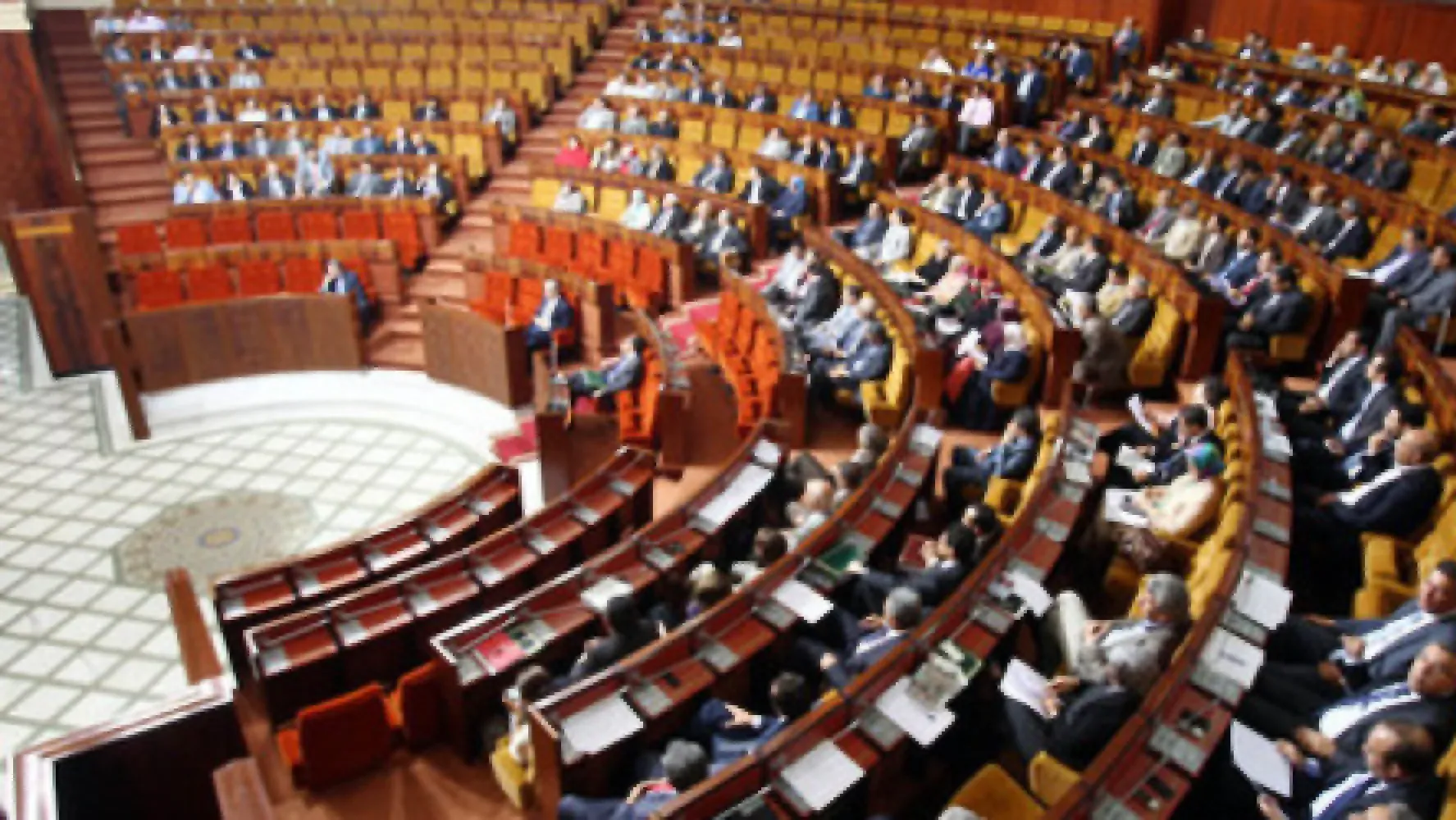

Increasing Women's Representation: A Distant Promise?
As the legislative elections approach, scheduled for September, the commitment to enhancing women's representation in Parliament appears to be faltering. The stark contrast between the political rhetoric advocating for women's rights and the stark reality of predominantly male nominations is alarming. While the legal framework ensures a minimal quota of seats through regional lists, the competition within direct local lists underscores a male dominance in political parties. This situation has been highlighted in a recent review by Al Ahdath Al Maghribia.
The Reality of Political Candidacies
The upcoming elections present a critical test for the political representation of women. The candidacies announced thus far reveal a disturbing discrepancy between political promises for increased female presence in Parliament and the on-ground realities. As reported, the Rassemblement National des Indépendants (RNI), which currently leads the government, has only nominated four women for local top positions across more than ninety electoral constituencies. These nominations are primarily concentrated on women who already possess established electoral influence in regions such as Fès-Sud, Agadir Ida Outanane, Taroudant-Sud, and Guelmim. This distribution suggests that nominations are less about a principled choice in favor of broader empowerment and more about electoral strategies involving candidates capable of securing seats through their family and political networks.
Similarly, at the Parti de la Justice et du Développement (PJD), the scenario remains unchanged. Female candidacies have been restricted to well-known names, often without the potential to secure seats. Competent women are systematically directed towards regional lists, seen as safer paths to guaranteed seats, while historically male-dominated leadership has taken control of constituencies facing direct local competition. The electoral behavior observed across all parties seems to confirm a considerable decline in prioritizing competence and political programs, as party leaders favor strategies focused on direct victories and traditional figures with financial and organizational influence capable of funding complex electoral campaigns.
In major parties, direct local lists reveal a submission to a purely accounting logic, centered on winning capacity and guaranteed seat percentages. As such, designations naturally gravitate towards notable figures, organizational symbols, or individuals possessing significant influence—be it financial, tribal, or partisan—capable of securing contested seats. Consequently, these networks are predominantly male, making it hardly surprising that opportunities for female nominations in local top positions remain extremely slim and are often relegated to exceptional cases.
As reported by fr.le360.ma.