The Largest FIFA World Cup Ever: What to Expect
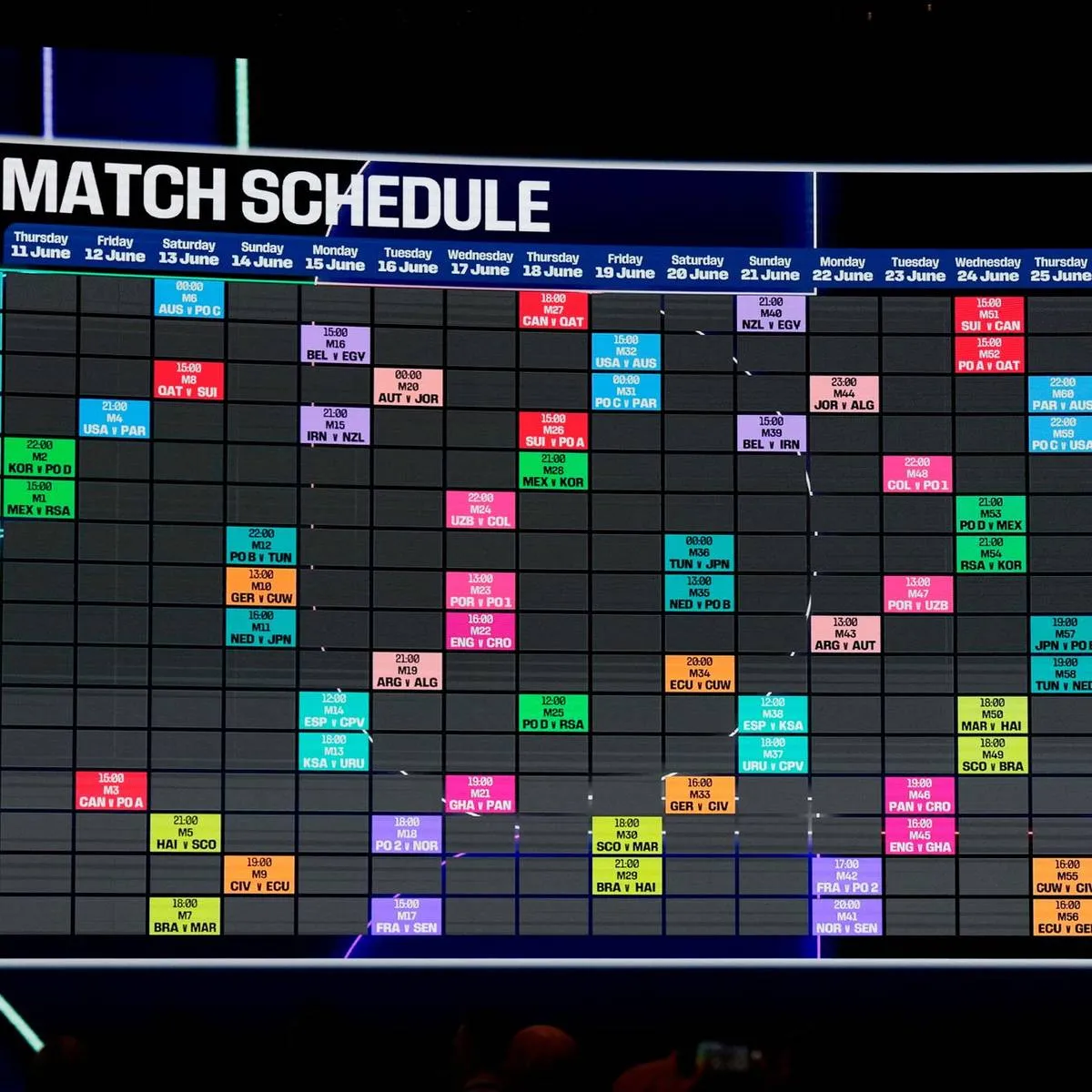
The 2026 FIFA World Cup is set to be the most expansive tournament in the history of football, featuring an astonishing 104 matches, 48 teams, and spanning across 36 days in three host countries: the United States, Mexico, and Canada. Scheduled from June 11 to July 19, this monumental event presents both challenges and opportunities for broadcasters tasked with covering this unprecedented scale of competition. As fans eagerly anticipate the matches, questions arise regarding which networks will air the games and how they plan to deliver this extensive lineup. This article provides a detailed overview of the broadcasting arrangements for the 2026 World Cup, ensuring fans know exactly where to catch their favorite teams in action.
Broadcasting Rights and Coverage in Germany
In a significant development for German football fans, Telekom has secured the complete broadcasting rights for the 2026 World Cup. This follows their previous involvement during the home European Championship in 2024, where they successfully showcased all 51 matches via MagentaTV. As part of this arrangement, public broadcasters ARD, ZDF, and SportA (the shared sports rights agency of ARD and ZDF) have also purchased a package from Telekom, allowing them to report on the tournament through a sublicensed agreement. ARD’s sports director, Katrin Vernau, expressed her enthusiasm, stating, “For millions of people in the country, the World Cup is a sporting event that they experience and celebrate together with other football enthusiasts.” This collaborative effort is particularly vital in economically challenging times, as it allows for shared resources and broader access to this global sporting event.
MagentaTV will be the primary platform for streaming all 104 matches, with 44 of these exclusively available on their service. Among the exclusive matches are both group stage games and twelve knockout phase encounters. Additionally, MagentaTV has announced that three World Cup matches will be available for free, including the opening match between South Korea and a UEFA qualifier on June 12, the game between Tunisia and Japan on June 21, and a conference on the third day of the group stage. Furthermore, 60 matches will be available for free on ARD and ZDF, including all matches featuring the German national team, the opening game, the final, and the semi-finals.
The coverage promises to be extensive, with over 1,000 hours of programming dedicated to the tournament, featuring broadcasts from two studios located in New York's One World Trade Center and Munich. Viewers can expect three distinct channels for the matches: one with the main commentary, another focused on tactical analysis, and a “surprise channel” featuring various celebrities and experts. The tournament’s programming will kick off with a “Breakfast Club” show at 7 a.m. (German time), which will recap the previous night's games. Additionally, starting May 14, viewers can enjoy a documentary titled “Wontorras World Cup – Father. Daughter. World Cup.” featuring Laura and Jörg Wontorra.
As the World Cup approaches, the anticipation around the team of experts, commentators, and presenters assembled by MagentaTV continues to grow. Esteemed figures like Laura Wontorra and Johannes B. Kerner will host the coverage, while the expert panel includes World Cup winners Mats Hummels and Thomas Müller, along with legendary coach Jürgen Klopp and former national player Tabea Kemme. Commentators such as Wolff Fuss and Marco Hagemann will also contribute, ensuring that fans are well-informed and entertained throughout the tournament.
For more information on the complete schedule of the 2026 World Cup, including match details and broadcasting specifics, fans can stay tuned to updates from their preferred channels. The expected excitement surrounding the tournament is palpable, and with the right strategies in place, broadcasters aim to deliver a memorable viewing experience.
As reported by rp-online.de.