
Africa Cup Final: A Historic Controversy
The recent Africa Cup final has etched its name in the annals of professional football history, not only for the match itself but also for the subsequent fallout. After a series of protests and a temporary boycott by the Senegalese team, Morocco has been retroactively declared the winner of the tournament, prompting Senegal to consider appealing the decision before the Court of Arbitration for Sport (CAS).
The African Football Confederation (CAF) has reevaluated the tumultuous match, which occurred nearly two months prior, declaring Senegal the loser based on Articles 82 to 84 of their regulations. This decision came in response to Morocco's appeal and has awarded the match result as 3-0 in favor of the Moroccan side. Senegal's football association has vehemently condemned this decision, labeling it as unprecedented, unacceptable, and damaging to the reputation of African football. In a statement released late Tuesday, they announced plans to challenge this ruling in Lausanne.
Background of the Decision and Its Implications
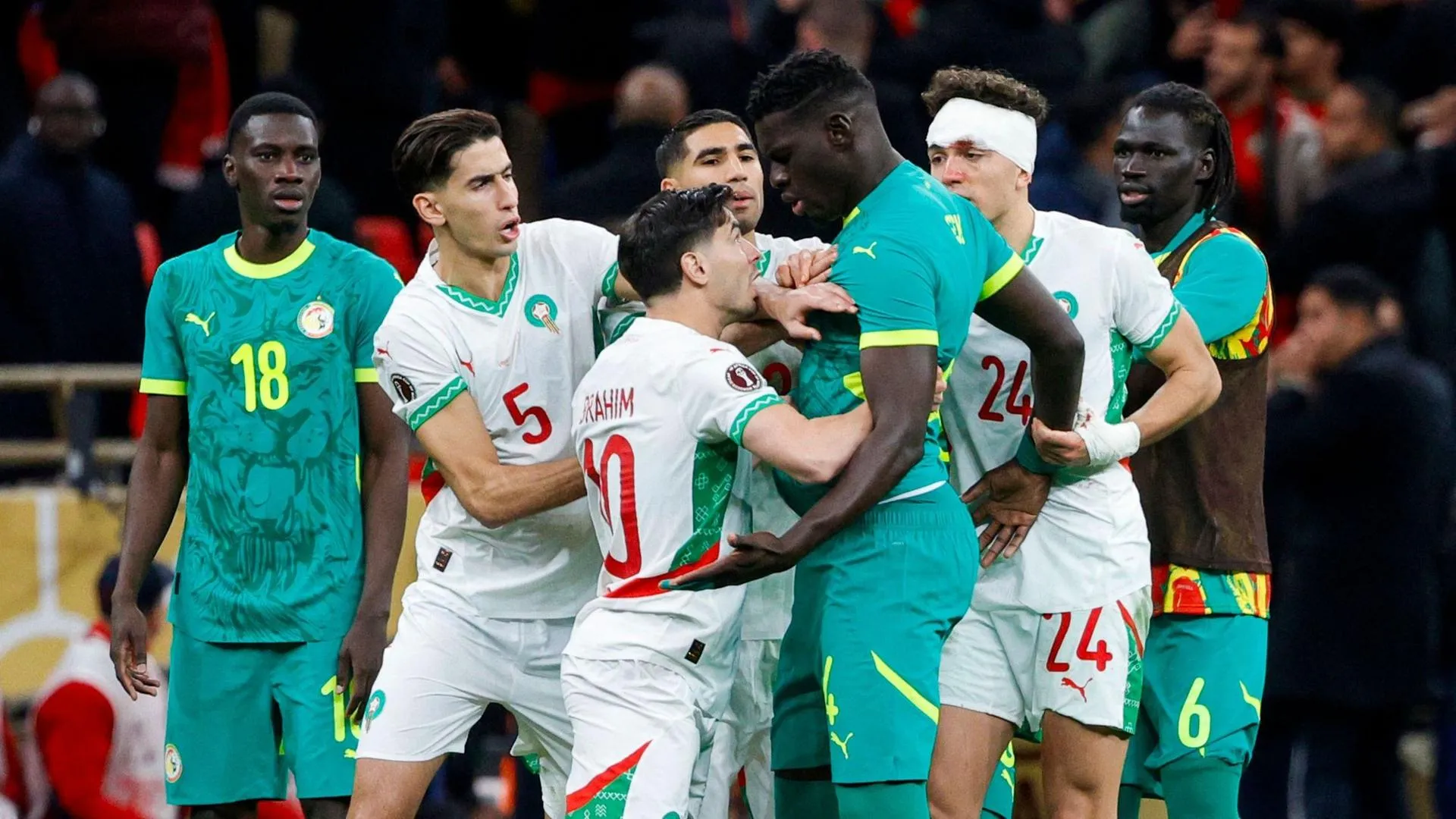
The chaotic final, held on January 18 in Rabat, teetered on the brink of cancellation. Following a controversial late penalty awarded to Morocco, Senegalese players left the field in protest, only to return after a significant delay. Brahim Diaz missed the penalty, but Senegal's Pape Gueye ultimately scored the decisive goal in extra time, sealing a 1-0 victory for his team. This event not only marks Senegal as the Africa Cup Champion for 2026 but has also sparked a debate that may linger in football discussions for years to come.
The match was marred by incidents of unsportsmanlike conduct, including attempts by Moroccan ball boys to steal towels from Senegal's goalkeeper, Edouard Mendy, amidst pouring rain. Even notable players, like former Borussia Dortmund star Achraf Hakimi, participated in this unsportsmanlike behavior, further escalating tensions on the field. The referee's decision to disallow a legitimate goal for Senegal and later award a dubious penalty to Morocco led to Senegal's coach, Pape Thiaw, protesting by taking his team off the pitch, a move that only a few players, including former Bayern Munich player Sadio Mané, defied.
As a result of the ensuing chaos, the CAF imposed a five-match suspension and a fine of $100,000 on Coach Thiaw, while the Senegalese Football Association faced penalties totaling $615,000 for various infractions, including the attempted pitch invasion by fans. In stark contrast, Morocco not only received the victory but also saw reductions in their penalties. Originally fined $315,000, that amount was slashed significantly, with the majority of the fines related to the conduct of ball boys. The appeal court reduced the penalty for Moroccan player Ismaël Saibari entirely and modified others, showcasing a stark discrepancy in sanctioning between the two teams.
The repercussions of this contentious final extend far beyond the field, influencing both teams' futures in the realm of African football. It raises critical questions about governance and fairness within the CAF and sets a precedent that may impact future tournaments.
As reported by sportschau.de.