HS2 Speed Reductions Under Consideration
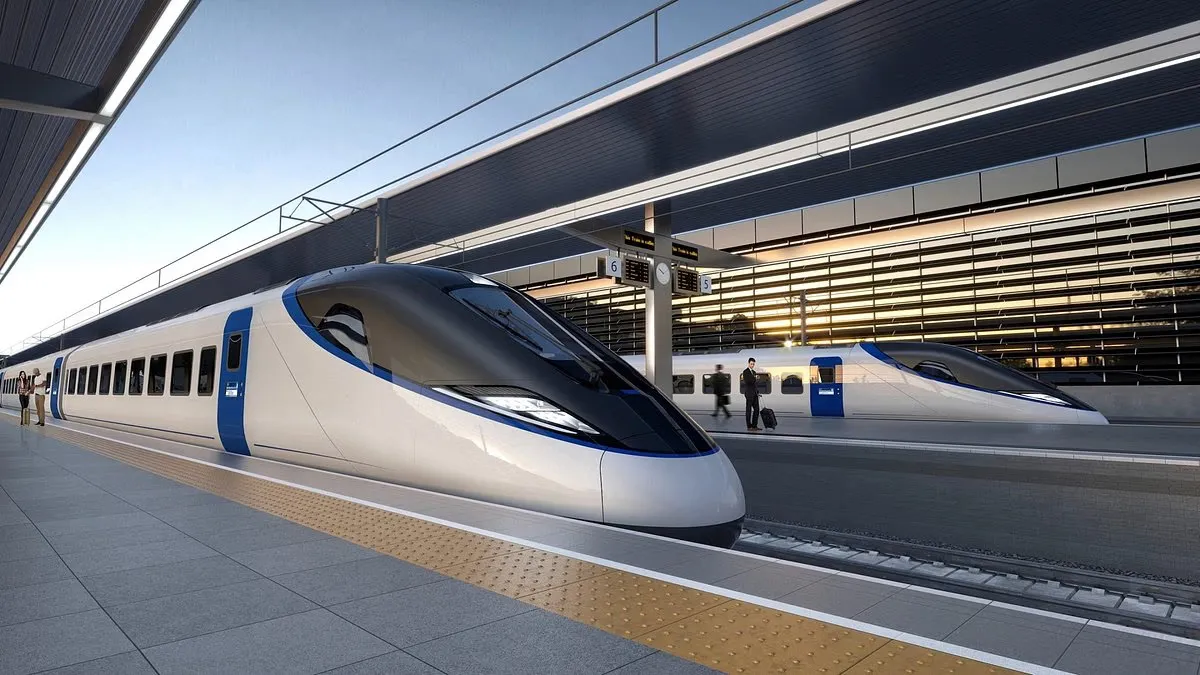
In a recent announcement that has stirred significant debate, the UK government is considering a reduction in the top speed of the High-Speed 2 (HS2) railway project, potentially bringing it down to levels that would be slower than some high-speed trains operating in developing countries like India, Morocco, and Indonesia. Transport Secretary Heidi Alexander has mandated that HS2 executives explore the feasibility of reducing the trains' maximum speed from the originally planned 360 kilometers per hour (224 miles per hour) to as low as 300 kilometers per hour (186 miles per hour). This decision reflects the government's ongoing efforts to trim costs amidst a project that has already surpassed its budget and schedule. Comparatively, high-speed rail systems in countries such as China and Indonesia operate trains at speeds of up to 350 kilometers per hour (217 miles per hour), while Japan, Morocco, and India maintain speeds around 320 kilometers per hour (199 miles per hour).
As it stands, conventional trains in the UK reach speeds of up to 200 kilometers per hour (124 miles per hour), which raises questions about the definition of high-speed rail, typically characterized by speeds of 250 kilometers per hour or more. The proposed cuts have led to criticism from various quarters, including labor unions, who argue that such reductions would place Britain 'in the slow lane' in terms of rail travel.
Implications of the Proposed Changes
This review is part of a broader initiative to address the escalating costs associated with HS2, which has reportedly consumed more than £40 billion since its inception yet remains only halfway completed. The London to Birmingham segment alone is anticipated to exceed £80 billion, raising concerns about the project's sustainability and effectiveness. The need for specialized tracks capable of handling the proposed speeds adds a layer of complexity to the project, potentially delaying its completion and inflating costs even further. Notably, existing rail infrastructure like HS1, which accommodates Eurostar services, could be utilized for HS2 trains if the speeds are adjusted accordingly.
Insiders suggest that the proposed speed reductions might only extend travel times between London and Birmingham by approximately three to five minutes, as trains were never expected to consistently reach the maximum speed of 360 kilometers per hour. Current projections estimate the fastest journeys on the existing Avanti West Coast route at around 75 minutes. Secretary Alexander emphasized the government's commitment to delivering HS2 more efficiently while addressing public concerns regarding past inefficiencies and costs. HS2 CEO Mark Wild echoed these sentiments, stating that the focus should remain on enhancing passenger experiences and increasing network capacity rather than on speed alone.
The financial implications of HS2 cannot be overlooked, as the project has already absorbed £46.2 billion in taxpayer funds since 2019, far exceeding its initial budget of £44.6 billion set by former Prime Minister Boris Johnson. The project originally aimed to connect London with cities in the north, such as Leeds and Manchester, but these plans were shelved due to mounting costs and delays. With only the first phase, linking London and Birmingham, moving forward, the total cost is projected to soar beyond £100 billion.
As the government seeks additional funding, with expectations of another £7 billion from the Treasury for the upcoming fiscal year, the future of HS2 remains uncertain. Critics, including local representatives and union leaders, have expressed skepticism about the project's viability, questioning whether it can deliver meaningful benefits to the public without compromising on speed and efficiency. The ongoing discussions around HS2 illustrate the challenges facing large-scale infrastructure projects in the UK, highlighting the need for a balanced approach that prioritizes both cost-effectiveness and quality of service.
As reported by dailymail.co.uk.