Costa Rica Receives Deported Migrants Under New Agreement
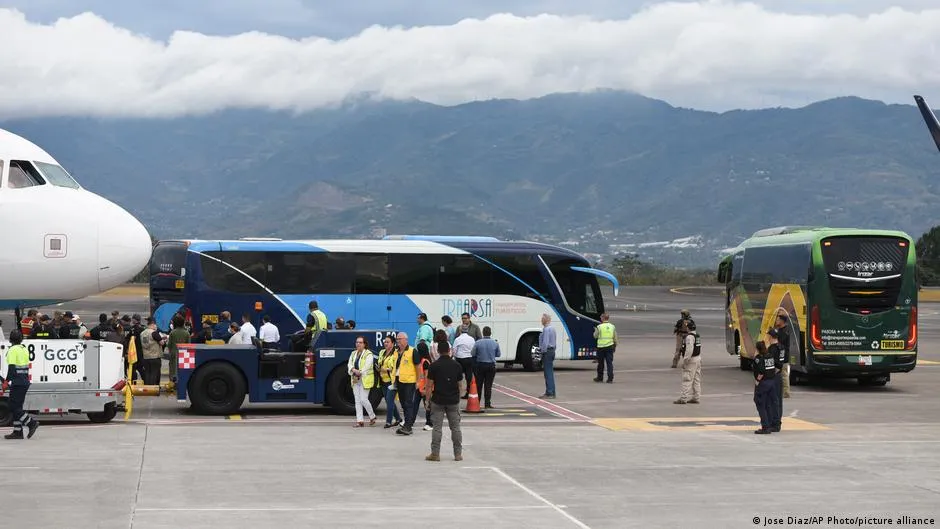
On Saturday, April 11, 2026, Costa Rica's authorities welcomed their first flight carrying deported migrants from the United States, marking a significant milestone in the bilateral agreement aimed at addressing migration issues. This inaugural flight included 25 individuals hailing from a diverse array of countries, such as Albania, Cameroon, China, Guatemala, Honduras, India, Kenya, and Morocco, along with one Costa Rican national. This initiative is a part of a broader cooperation agreement established between Costa Rica and the U.S. to manage migration more effectively.
The Directorate of Migration and Foreigners in Costa Rica provided immediate support to the group upon their arrival. Local agencies, along with the International Organization for Migration (IOM), ensured that these individuals received essential services such as accommodation, food, and humanitarian assistance for the first seven days of their stay in the country. This approach emphasizes Costa Rica's commitment to uphold human rights and provide care for those in vulnerable situations.
In a notable move, Costa Rica exempted citizens from Albania, Cameroon, China, India, Kenya, and Morocco from the visa requirement, facilitating their return. Moreover, specific provisions were made for Honduran nationals, who were exempt from the need for police background checks, demonstrating the country's flexibility and willingness to cooperate under this migration framework.
The Directorate has made it clear that these migrants will have various options available to them moving forward. They may opt for voluntary assisted return, submit a request for asylum, or apply for a temporary regularization program on humanitarian grounds. This provides a structured pathway for individuals seeking to stabilize their living conditions after their challenging migration experiences.
On March 23, 2026, Costa Rican President Rodrigo Chaves signed a Memorandum of Understanding with the United States, formalizing the arrangements for the transfer of foreign nationals who are not U.S. citizens. This agreement illustrates a collaborative effort to manage migration challenges and ensure that the needs of displaced individuals are addressed effectively.
As reported by dw.com.