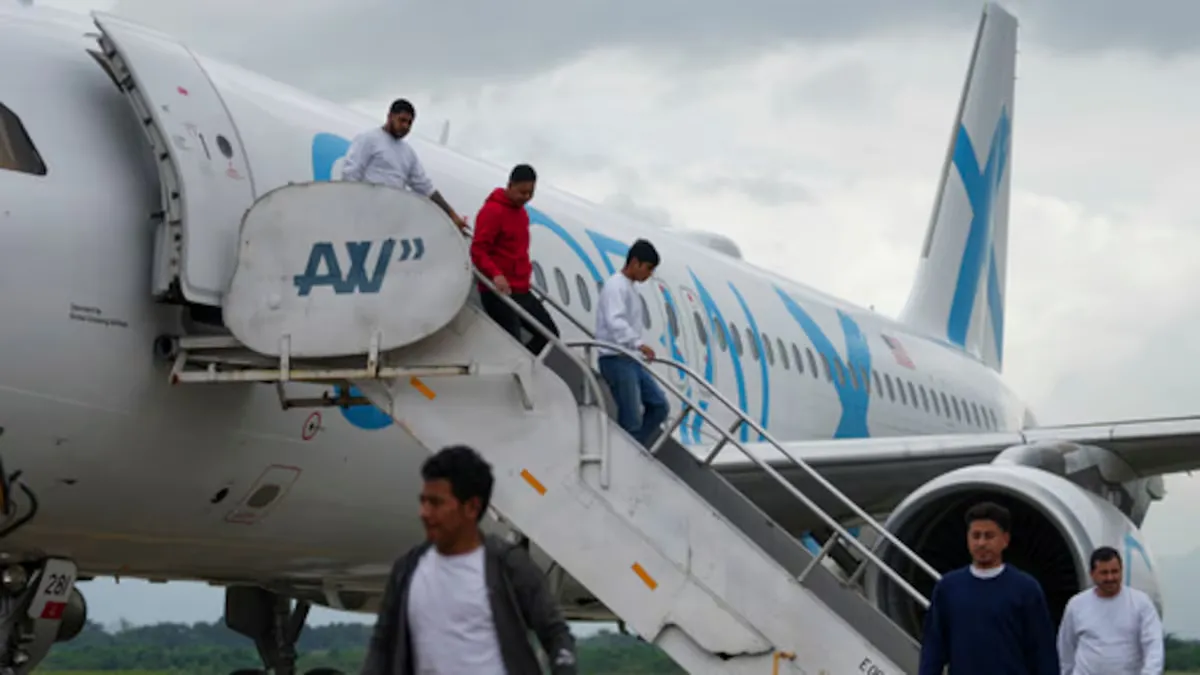
On Saturday, Costa Rica welcomed its first group of 25 migrants deported from the United States, a significant step in the bilateral agreement signed in March between the two nations. This agreement, which was formalized by Costa Rican President Rodrigo Chaves and the U.S. Special Envoy for the Americas, Kristi Noem, stipulates that Costa Rica will accept up to 25 individuals from various nationalities who have been expelled from U.S. territory.
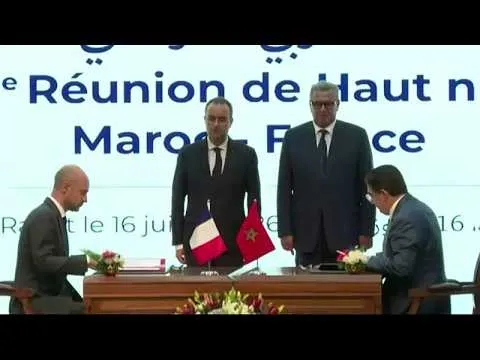
The initial group consists of diverse nationalities, including one woman from Albania, one from Kenya, two men from Morocco, two individuals from China, three men from India, and four people from Cameroon. Additionally, the group includes eight Guatemalans and four Hondurans. They arrived at San José's Juan Santamaría International Airport, where they received primary assistance from the Professional Migration Police, with support from the International Organization for Migration (IOM).
The Costa Rican Directorate of Migration and Foreign Affairs indicated in a press release that the deportees from Albania, Cameroon, Kenya, China, India, and Morocco were exempted from the visa requirement typically needed to enter Costa Rica. In contrast, the Honduran nationals were not asked for the usual criminal background check.
Following their arrival, the deported individuals will be taken to a hotel where the IOM will cover their accommodation, meals, and humanitarian assistance for the first seven days. During this time, they will have the opportunity to enroll in a program for 'Assisted Voluntary Return.'
Moreover, during this initial week, the deportees can opt to stay in Costa Rica under a temporary migration regularization program for humanitarian reasons or apply for refugee status. Should the migrants choose to decline both options, they will be required to express this during their primary assistance session, allowing them to leave the migratory control facilities at their discretion and proceed to their desired destination.
If they decide to exit Costa Rica, the deportees must inform the Migration authorities and indicate whether they wish to accept the humanitarian assistance from the IOM or if they will self-fund their departure.
As reported by elnuevodia.com.