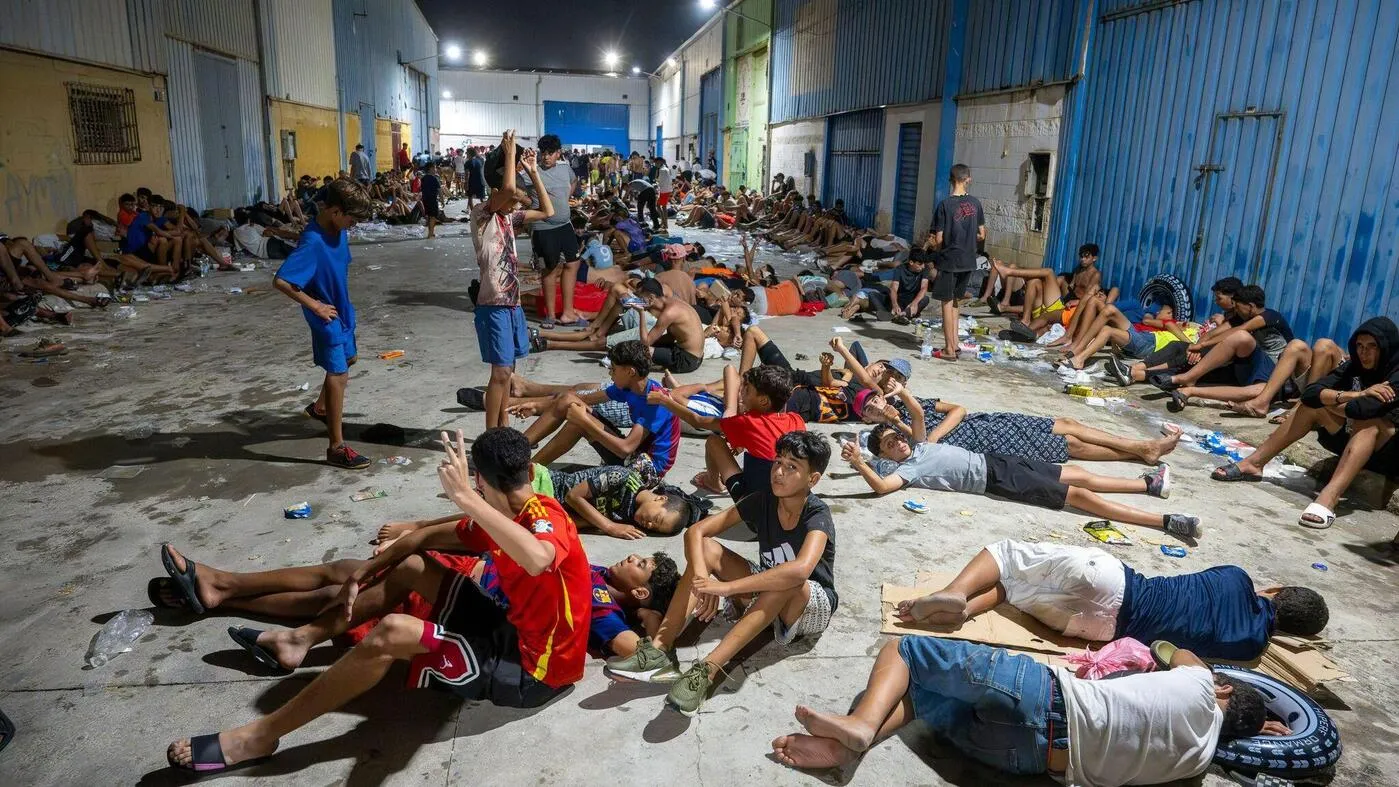
Mass Influx of Migrants Triggers Political and Humanitarian Challenges in Ceuta
The recent arrival of approximately 60,000 migrants from Morocco to the Spanish enclave of Ceuta, located on the northern coast of Africa, has ignited a substantial political and humanitarian crisis for the Spanish government. This unprecedented influx of people has placed immense pressure on local authorities, who are scrambling to manage the situation effectively while navigating a growing debate surrounding immigration policies and border control measures. The sheer scale of this migration crisis has raised urgent concerns about the capacity of Ceuta's facilities, the welfare of the migrants, and the broader implications for Spain's immigration strategy.
As the Spanish government grapples with this pressing issue, discussions are intensifying regarding the need for a cohesive and humane approach to immigration that balances security with compassion. The arrival of such a large number of migrants within a short period has not only strained resources but has also sparked heated discussions among political leaders and communities in Spain about the future of immigration policy. Stakeholders are calling for a comprehensive strategy that addresses both the immediate needs of the migrants and the long-term challenges posed by migration flows across the Mediterranean.
The situation continues to evolve, with local authorities and humanitarian organizations working tirelessly to provide assistance and support to those who have arrived. It remains crucial for the Spanish government to respond effectively to this crisis, ensuring that human rights are upheld and that the dignity of all individuals is respected. The coming days and weeks will be critical in determining how Spain manages this influx, as public sentiment and political pressures shape the response to one of the most significant migration challenges in recent history.
As reported by facebook.com.