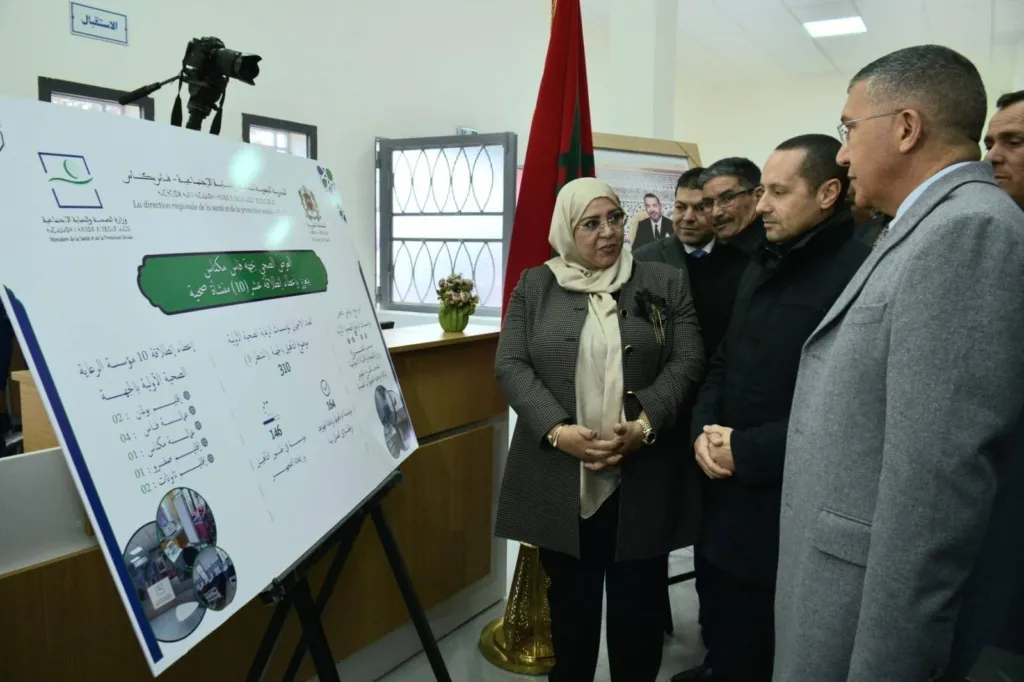

Recent discussions have surfaced surrounding the appalling conditions of health centers in the Fes region of Morocco, which have been described as nearing a state of 'bankruptcy.' Local activists and members of the community have voiced their concerns regarding the closure and underfunding of essential health facilities, particularly highlighting the detrimental impact on the local population's health and well-being. Nadia Al-Qansouri, a member of the Justice and Development Party, emphasized the urgent need for immediate action, as the only physician serving over 50,000 residents in the region of Mernissa has departed without any replacement. This situation has raised alarms, especially for vulnerable groups such as pregnant women, the elderly, and students living in dormitories.
Furthermore, local council member Ali Al-Qasb criticized the prolonged closure of the health center in Al-Louizat, which has remained shut for approximately three years under the pretense of undergoing renovations. Despite the explanations provided by the health authorities regarding the essential repairs, the lengthy delay has sparked frustration among residents who rely heavily on these services. Reports indicate that Fes alone houses more than 15 closed health centers, predominantly situated in densely populated areas, revealing a stark shortage of healthcare resources, including trained personnel and fundamental medical equipment.
In response to these growing concerns, the regional directorate of health and social protection has announced ongoing meetings aimed at improving hospital performance across the region. The director has chaired a series of gatherings from February 27 to March 10, 2026, to evaluate the results achieved over the past four years and to identify critical areas for improvement. Discussions have centered on efficiency indicators, technical equipment, hospital budgets, and collaborative efforts among regions to enhance patient care, reduce wait times, and improve overall service quality.
In light of these discussions, the regional director has stressed the importance of optimizing the management of available resources to meet the goals outlined in the regional health plans. She has called for necessary corrective actions whenever deemed essential to steer the healthcare system back on the right track. As the community continues to grapple with these challenges, the demand for a swift resolution and a commitment to restoring healthcare services is more pressing than ever.
As reported by kech24.com.