Call for Self-Determination and Autonomy in Western Sahara
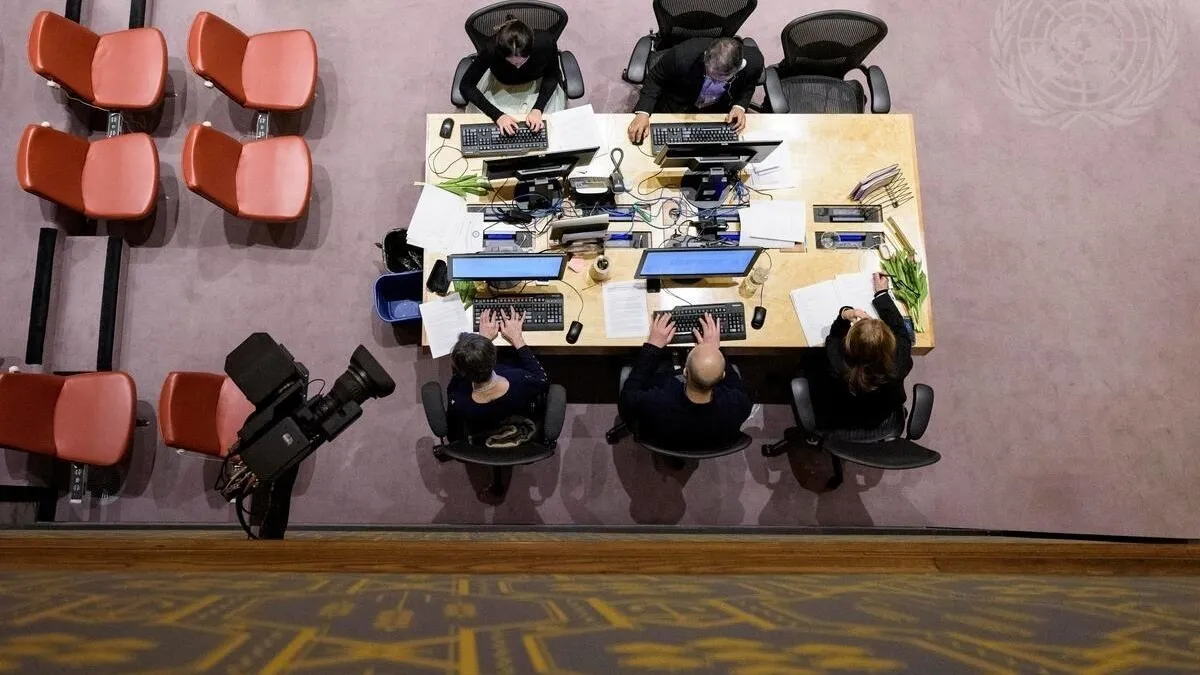
During a recent session of the Special Committee on Decolonization, numerous delegates and petitioners from Western Sahara passionately advocated for the liberation of what they termed the "last colony in Africa". They urged the committee to facilitate a self-determination referendum that would include independence as a viable option. Conversely, some speakers supported Morocco's proposal for autonomy, characterizing it as the most pragmatic resolution to this prolonged territorial dispute. Western Sahara, encompassing a land area of 266,000 square kilometers and home to approximately 612,000 residents, has been listed as a Non-Self-Governing Territory by the Special Committee since 1963. In 1991, the United Nations established the United Nations Mission for the Referendum in Western Sahara (MINURSO) to aid in the negotiations between Morocco and the Frente Popular para la Liberación de Saguía el-Hamra y de Río de Oro (Frente POLISARIO), which champions the Sahrawi people's right to self-determination.
In 2025, the General Assembly reaffirmed its commitment to supporting negotiations aimed at achieving a mutually acceptable political solution that respects the self-determination rights of the Western Sahara people. This was echoed in Council resolution 2797 (2025), which emphasized backing for the Secretary-General and his Personal Envoy in facilitating negotiations that are anchored in Morocco's autonomy proposal. Ghalla Bahiya, representing the Regional Council of Dakhla-Oued Ed-Dahab, highlighted this resolution as a significant turning point, asserting that it provided "unprecedented clarity" regarding the situation. She stressed the necessity of implementing this resolution, citing strong international support for autonomy under Moroccan sovereignty as the most realistic pathway forward. Bahiya also illustrated the transformative progress in the Moroccan Sahara, including investments and infrastructure development, positioning Dakhla as a strategic link between Africa and Europe.
Contrasting Views and Ongoing Challenges
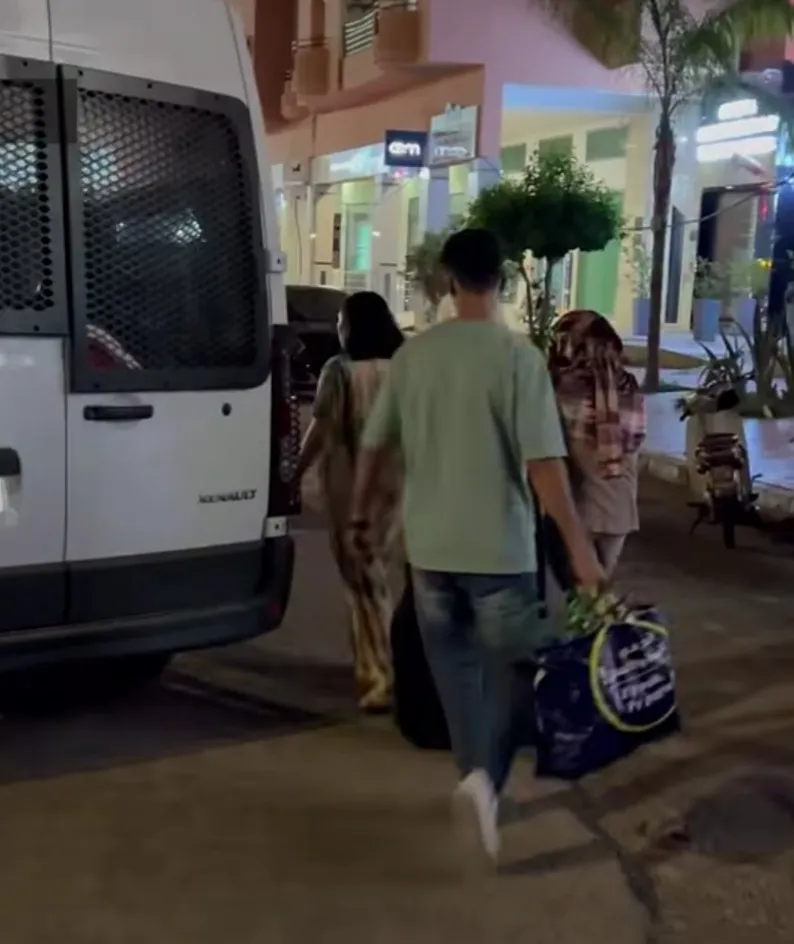
On the other hand, Najib Boudhim from the NGO 9 MARS pointed out that the Council resolution reinforced the need for a realistic political solution to what he termed an "artificial conflict" that has hindered regional stability. He criticized outdated approaches and emphasized the importance of realism and compromise in addressing the issue, calling for constructive engagement from all parties involved, especially Algeria. The dire humanitarian situation in Tindouf camps was also highlighted, where rampant exploitation has been reported. Mohammed Elaissaoui from the Organisation pour la fin des violations des droits de l'Homme dans les camps de Tindouf mentioned the severe restrictions on movement for camp residents, specifically women and children, attributing this to the Frente POLISARIO's deliberate actions to obstruct the registration of the camp population.
In stark contrast, Agron Pali of the Global Monitoring Center expressed concern over attempts to reshape the narrative surrounding Western Sahara through political pressure rather than adhering to international law. He warned against the exclusionary tactics employed by certain Member States and lobbying groups, which threaten to undermine a recognized national liberation movement. Pali underscored the significant natural resources of Western Sahara, including fisheries and phosphate reserves, advocating for their protection until the decolonization process is concluded. His organization proposed the creation of an “International Trust Fund for the Natural Resources of Western Sahara,” to be managed by a neutral international entity.
Speaking on behalf of Frente POLISARIO, Sidi M. Omar emphasized the prolonged wait for the UN to fulfill its decolonization responsibilities in Western Sahara, recalling the overwhelming support for independence among the Sahrawi populace. He condemned Morocco's occupation, highlighting the resolve of the Sahrawi people to defend their sovereignty. Taib Malaikhaf from the Sahrawi Human Rights Defenders Collective brought attention to the illegal seizure of lands traditionally held by the Sahrawi people, alongside the demolition of homes and the dangers posed by landmines. He asserted that indigenous Sahrawis are being systematically displaced, with their resources being exploited without consent.
As discussions continued, divisions became evident, particularly regarding the nature of the conflict. A delegate from Morocco asserted that viewing the situation as a decolonization issue was a misinterpretation, emphasizing that the matter falls under the exclusive jurisdiction of the Security Council. He characterized the Council's resolution as a historic turning point that granted exclusive sovereignty to Morocco and dismissed the Frente POLISARIO proposal. In contrast, Algeria's representative maintained that the Special Committee's mandate remains relevant until the Sahrawi people fully exercise their right to self-determination, advocating for a just and lasting political solution.
In a show of solidarity, representatives from several countries, including Cuba, Timor-Leste, and Zimbabwe, voiced their support for the Sahrawi people's right to self-determination, urging the international community to uphold UN resolutions regarding the territory. Namibia's representative reiterated that Western Sahara remains under illegal occupation by Morocco, emphasizing the importance of maintaining the decolonization dialogue. Meanwhile, supporters of Morocco's autonomy proposal praised the development initiatives unfolding in the region, portraying them as beneficial for local inhabitants.
As reported by press.un.org.