
Revolutionizing Education Through Digital Initiatives
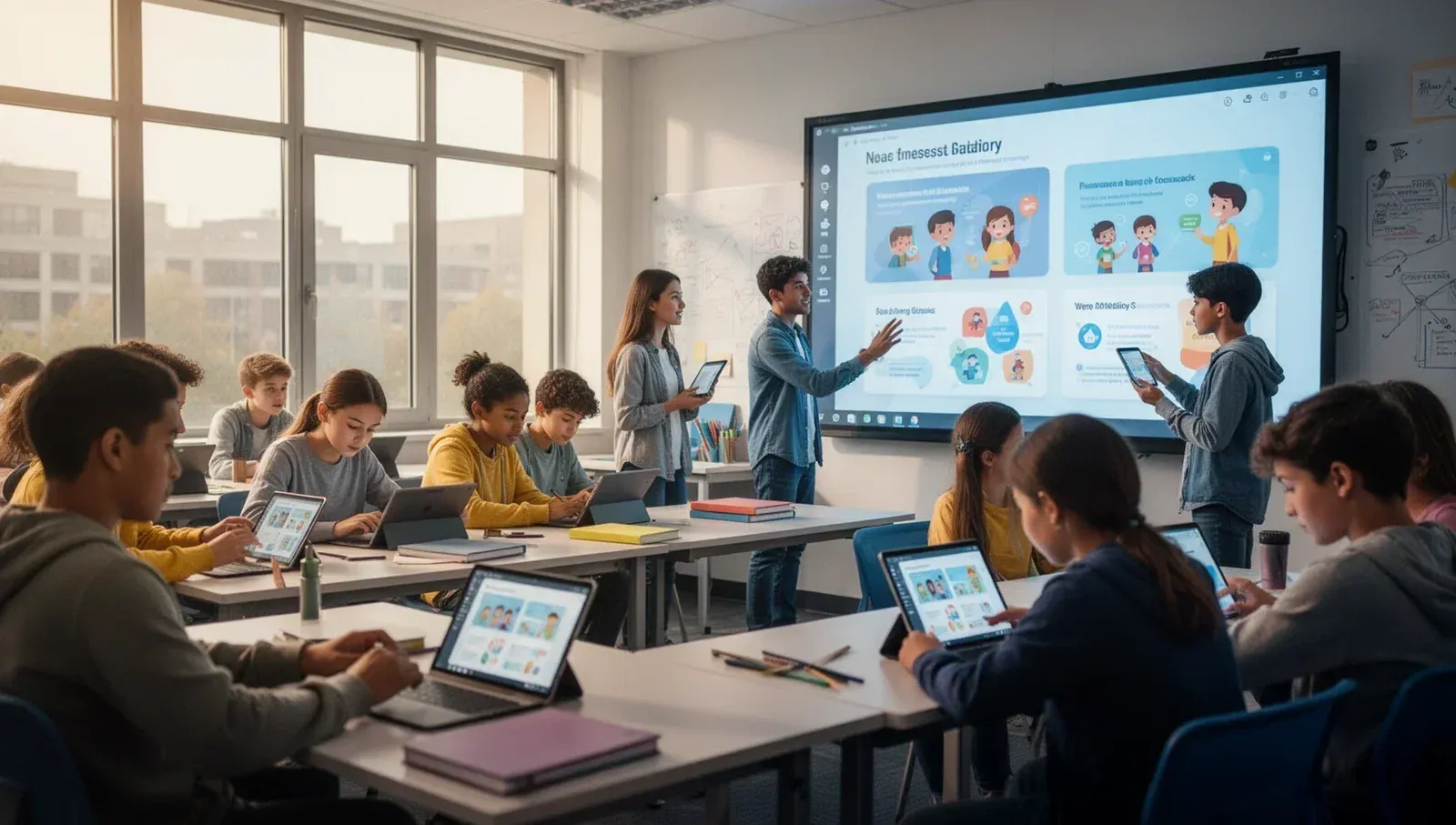
The educational landscapes of India, Kenya, and Morocco are undergoing transformative changes as these nations invest billions into digitalizing their school systems. With a focus on infrastructure and artificial intelligence (AI), these initiatives aim to modernize educational methods and improve access to quality education.
India's Innovative Digital Credit System
In India, the University Grants Commission (UGC) has recently introduced a new Digital Academic Credit Framework on July 11, 2026. This groundbreaking system simplifies the transfer of academic credits, allowing students to accumulate credits from accredited online platforms, skill programs, and multidisciplinary institutions. This reform builds on the existing Academic Bank of Credits and aligns with the objectives outlined in the National Education Policy of 2020. Concurrently, in Jharkhand, the state government launched the J-Guruji platform, which serves over 25,000 government schools and approximately 768,000 students. This platform offers more than 27,600 learning resources, including educational videos and assessment questions available in English, Hindi, and five tribal languages. To support this initiative, 112,000 teachers have undergone 30 hours of training.
Meanwhile, in East Africa, Kenya's government initiated a nationwide integration of ICT learning in junior schools on July 12, 2026. This project, backed by the World Bank's Kenya Digital Economy Acceleration Project, aims to digitize over 10,000 public secondary schools. As part of this effort, the government is distributing more than 20,700 devices, including smartboards and laptops, facilitated by the installation of 37,000 kilometers of fiber optic cables.
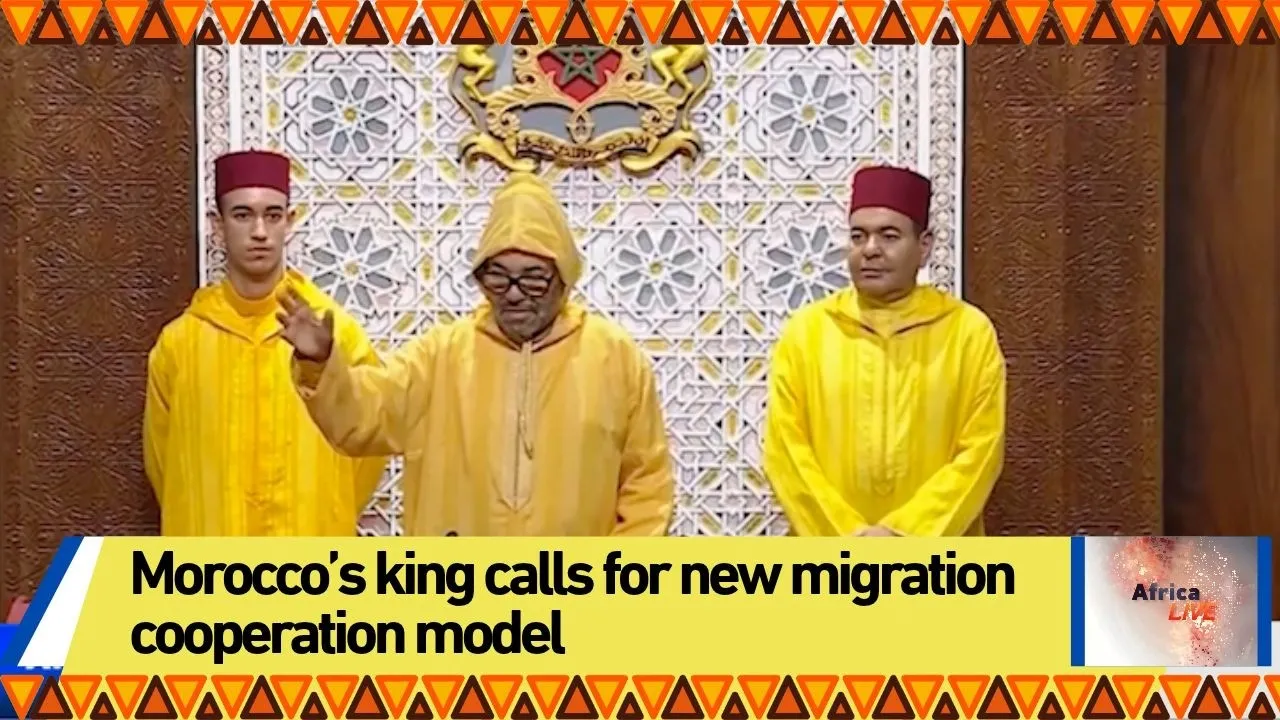
Morocco is also making strides in educational reform, with its Minister of Education, Berrada, presenting the "Pioneers Schools" program at a UNESCO event on July 11, 2026. This initiative incorporates AI-supported learning assistance and the Massar information system. However, the Ministry acknowledges that the main challenge lies in the nationwide implementation of these digital tools while maintaining quality education.
In addition to these developments, the Philippines announced on July 12, 2026, plans to accelerate the construction of "Learning Continuity Spaces," prefabricated classrooms designed specifically for areas frequently affected by natural disasters. This approach provides a rapid and cost-effective solution to maintain educational continuity even after significant disruptions.
Recent studies reveal that teachers feel technically proficient yet overwhelmed by the increasing demands of hybrid learning models. For instance, a 2025 study in Malaysia regarding HyFlex learning in vocational education showed that while educators are confident in their technical skills, they are concerned about rising workloads and the lack of specialized teaching materials. Similarly, a survey conducted among 40 business educators in Enugu State, Nigeria, in 2026 highlighted that many essential hybrid learning technologies were either rarely available or underutilized. Researchers recommend increased workshops and incentives to bridge the gap between technological availability and actual usage.
The economic indicators support this digital push, with Malaysia's digital economy reaching approximately $39 billion by 2025. A 2026 Stanford study confirmed that 88% of companies have adopted AI, underscoring the need for "dual literacy"—both human and algorithmic competency—starting from early childhood education.
In Germany, adult education centers are recovering from the pandemic, with a reported increase of 5.8% in bookings in Schleswig-Holstein in 2024 compared to the previous year. Although participation numbers still lag 14.5% behind pre-2019 levels, these institutions have expanded their digital offerings significantly, hosting 476 fully online courses and over 1,000 hybrid events in 2024. The focus on digital skills is evident as institutions like VHS Herzberg launched intensive courses in professional office applications, digital self-organization, and AI tools, while the VHS Mecklenburgische Seenplatte introduced a free summer program called "Talent Campus" for children and teenagers that combines creative arts with digital media.
As reported by borncity.com.