
Morocco: A Jewel of Cultural and Natural Heritage
Morocco, a captivating African nation, boasts an impressive nine sites recognized as UNESCO World Heritage Sites and six locations declared as Intangible Cultural Heritage. This North African country has witnessed a significant surge in tourism over recent years, with the Ministry of Tourism reporting that it welcomed 20 million international visitors in 2025—a remarkable 14% increase from the previous year, 2024. According to the digital publication Medium, this milestone marks a historic achievement, presenting an ‘unforgettable experience’ for travelers exploring this enchanting nation.
The diverse attractions in Morocco range from its imperial cities to picturesque mountain villages, and from the stunning Atlantic coastline to the serene Mediterranean shores. Travelers are particularly drawn to the country's impressive infrastructure and majestic desert dunes, making it an unmissable destination in 2026. The platform highlights several key aspects of Moroccan tourism, including its unique cultural tapestry, which beautifully intertwines African, Mediterranean, Arab, and Berber influences. This rich cultural heritage is evident in the preservation of ancient Muslim historical sites, as well as the vibrant customs and traditions that are still alive today.
Enchanting Cities and Culinary Delights
Coastal cities such as Fez, Marrakech, and Essaouira transport visitors to a different world, characterized by their historic medinas, traditional riads, and bustling souks where one can find exquisite carpets, aromatic spices, leather goods, and intricate ceramics. The majestic mosques of Morocco, particularly the Hassan II Mosque in Casablanca, are architectural wonders that draw admiration from around the globe.
Morocco is celebrated for its contrasting landscapes, which include rugged mountains, pristine beaches, and sweltering deserts. The breathtaking sunrises and starry nights of the Sahara Desert provide a tranquil escape into the grandeur of nature. Ait Ben Haddou, a timeless fortified village designated as a UNESCO World Heritage Site, enhances the allure of Moroccan desert excursions, offering a sense of fascination and adventure.
The High Atlas Mountains, often referred to as the “Roof of North Africa,” feature trails winding through picturesque valleys, lush farmlands, and secluded Berber villages. Beyond the desert architecture, visitors can also discover stunning coastal marvels.
Moroccan cuisine is a vibrant fusion of flavors, colors, and textures that centers around savory dishes. Signature meals include tagine, mainly prepared with chicken or lamb; tanjia, cooked in a clay pot; couscous, made from fine semolina grains; and harira soup, which are some of the most recognized dishes. Among the desserts, ‘kaab el ghazal’ stands out—crescent-shaped cookies filled with a tender almond paste flavored with orange blossom water and cinnamon. Furthermore, Moroccan tea has gained worldwide recognition for its unique taste and preparation.
Geographically positioned in the northwest corner of Africa, Morocco is bordered by the North Atlantic Ocean and the Mediterranean Sea. The country’s rich heritage is highlighted by the National Office of Tourism, which details various cultural events, such as the Moussem de Tan-Tan, where nomadic tribes gather annually to celebrate their way of life through music and poetry, and the Sefrou Cherry Festival that showcases the city’s natural beauty and cultural vibrancy through parades, music, dance, and the crowning of the Cherry Queen.
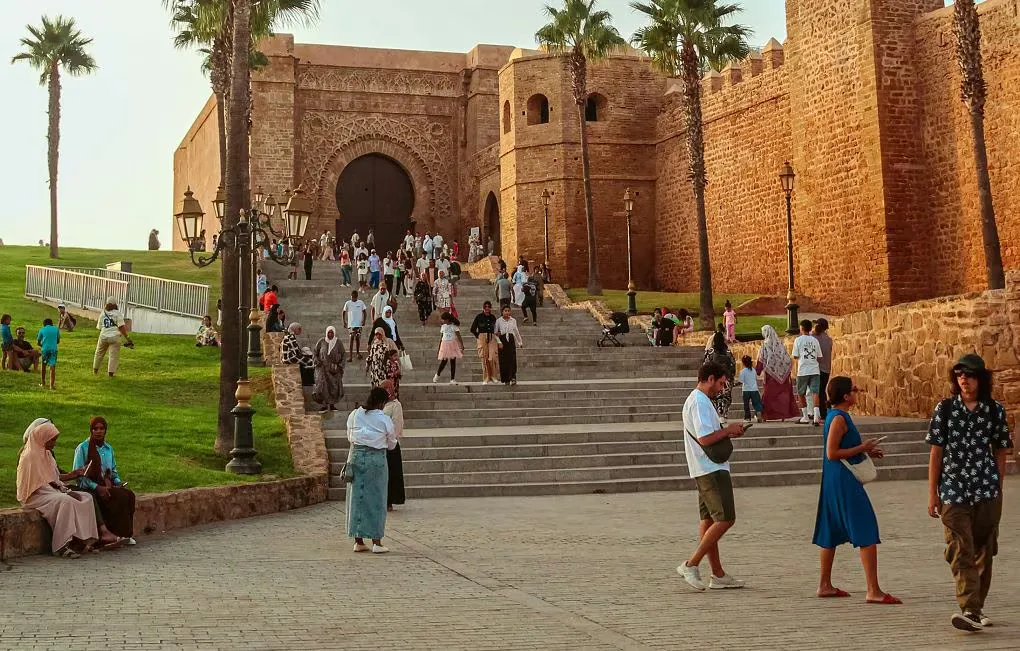
Rabat, Morocco’s capital, is another UNESCO World Heritage site distinguished by its historical landmarks like the Kasbah of the Oudayas, the Chellah Necropolis, the Hassan Mosque, and the Mohammed V Mausoleum. Additionally, Moroccan craftsmanship is recognized as part of the intangible cultural heritage of humanity, particularly the traditional methods of extracting argan oil, which serves culinary, medicinal, and cosmetic purposes, passed down through generations.
A two-week trip to Morocco could range from $700 to $2,000 per person, excluding airfare, depending on the traveler’s country of origin. According to the digital platform SimBye, this budget translates to roughly $50 to $140 per day. For backpackers, an adventure through this beautiful country could be achieved on a budget of $30 to $60 daily, covering accommodation, meals, and bus transportation. Mid-range travelers may spend between $80 and $150 each day enjoying private riads, dining in restaurants, taking first-class train rides, and joining guided tours, while luxury travelers might find their costs ranging from $200 to $400 daily.
As reported by eluniverso.com.