
Stepping into the Salam Hello showroom in Marrakech is akin to entering a vibrant tapestry of Moroccan weaving history. The walls are adorned with an array of rugs that create a stunning patchwork of colors, showcasing geometric designs that echo the rich Amazigh heritage, where deep reds harmonize with saffron yellows and indigo blues. Each piece tells its own story, featuring intricate diamond patterns and symbolic forms that have been passed down through generations. In contrast, contemporary influences emerge through bold asymmetrical compositions, delicate stripes reminiscent of animal prints, and unexpected color pairings that resonate with modern aesthetics.
In one corner of the showroom, craftsmen work diligently, their focus evident as they bring each rug to its final form. The rugs are crafted by a network of 80 female Amazigh artisans spread across Morocco, with the showroom serving as Salam Hello's finishing studio. Here, visitors can witness the meticulous final stages of the rug-making process, from trimming loose threads to refining intricate details, culminating in a quality check before the pieces embark on their journey to new homes. This unique aspect offers a rare insight into a process that often remains concealed from the public eye.
The ethos of Salam Hello revolves around transparency and education, inviting customers to delve into the history, techniques, and the artisans behind each rug. Co-founder Mallory Solomon recounts her journey, which began on a vacation to Morocco where she felt a deep curiosity about the stories and people behind the rugs she encountered in the Medina of Marrakech. Frustrated by the lack of information from sellers, she developed a passion for Moroccan textiles and dedicated herself to learning more about the weavers and their art. Solomon traveled extensively across Morocco, forging connections with artisans and exploring the diverse regional traditions that characterize the craft of rug weaving.
After several return trips that deepened her bond with these weaving communities, Solomon left her career in New York's advertising industry. In 2020, alongside co-founder Abdellatif Mouhsine, she established Salam Hello to create a more transparent and equitable model for Moroccan rug production. From the outset, traceability and ownership were central to the brand philosophy; Salam Hello seeks to ensure that each rug carries the story of its maker, elevating the artisans' narratives and honoring every aspect of the crafting process.
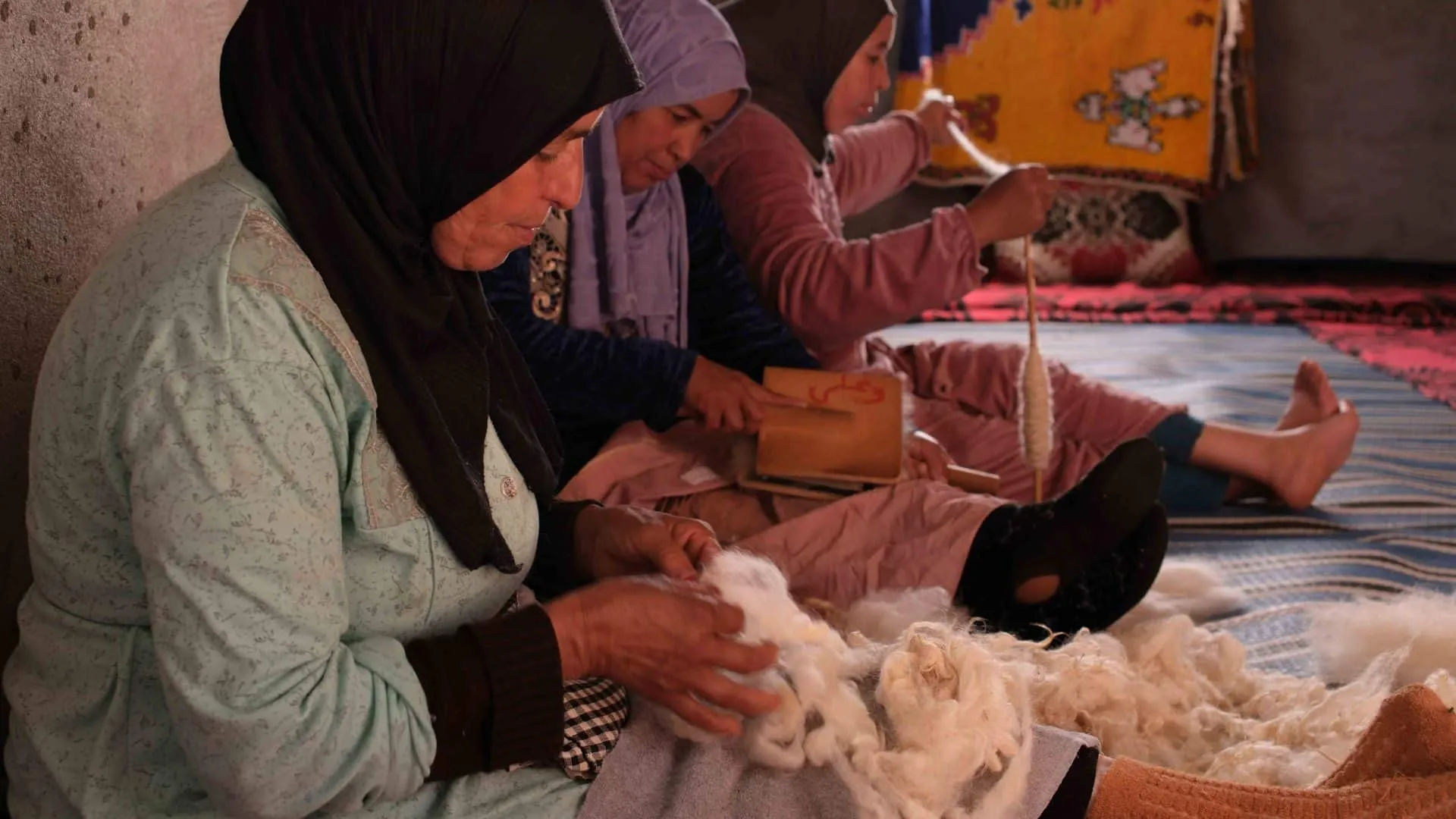
Building this vision necessitated cultivating close relationships with artisans, many of whom come from long lines of skilled female weavers. Artisan Fatima Agouzoul shares her experience of learning to weave at a young age, passing on her skills to her sister Meriem, emphasizing the familial nature of this craft. Similarly, Soukina Laamri recalls her mother’s influence, encouraging her to engage in weaving as a child. Despite the rich cultural significance of rug weaving, women in this industry have historically faced numerous challenges, including low wages and the lack of formal employment structures, often leaving them vulnerable as freelancers.
Salam Hello has made it a priority to address these challenges, implementing a payment structure that offers artisans a premium wage and full transparency regarding business processes and costs. This innovative approach allows women to work within their communities, providing them the flexibility to manage their domestic responsibilities alongside their craft. Solomon explains that many artisans prefer to work from home, a model that respects their family dynamics while empowering them financially.
The company also extends its support to artisans during personal hardships, fostering a familial bond within the network. Laamri expresses her gratitude, noting how Salam Hello’s founders have supported her family through difficult times. Professional development is another cornerstone of Salam Hello’s mission; artisans are given opportunities to enhance their skills and take on greater responsibilities, ensuring that the craft continues to thrive and evolve.
Every artisan's weaving process is influenced by their region's climate and traditions. For instance, the thicker rugs typical of the Middle Atlas region are designed to provide insulation during harsh winters, utilizing denser knotting techniques. In contrast, artisans in the hotter southern regions employ lighter hand-knot and flat-weaving techniques, suitable for environments prone to sand and dust. The design traditions also vary; Agouzoul, hailing from the Ait Ouaouzguite tribe, specializes in Glouai rugs that feature intricate, symbolic motifs, enriching the cultural tapestry of Salam Hello's offerings.
In addition to preserving these traditional techniques, Salam Hello embraces contemporary design elements. Their “Neutral Ground” collection exemplifies this, featuring earthy tones and minimalist patterns while maintaining the integrity of Moroccan weaving traditions. For many artisans, there is immense pride in keeping these age-old methods alive, as Solomon notes the growing concern over the potential loss of heritage crafts in an increasingly automated world. Agouzoul echoes this sentiment, emphasizing that weaving is an integral part of her identity and a legacy she hopes to pass on to future generations.
As Salam Hello looks to the future, the commitment to preserving their craft while innovating continues to drive their mission forward. They strive to create not just beautiful rugs but meaningful connections between the artisans, their heritage, and customers around the globe.
As reported by arabianbusiness.com.