Exploring the Rich Tapestry of Morocco
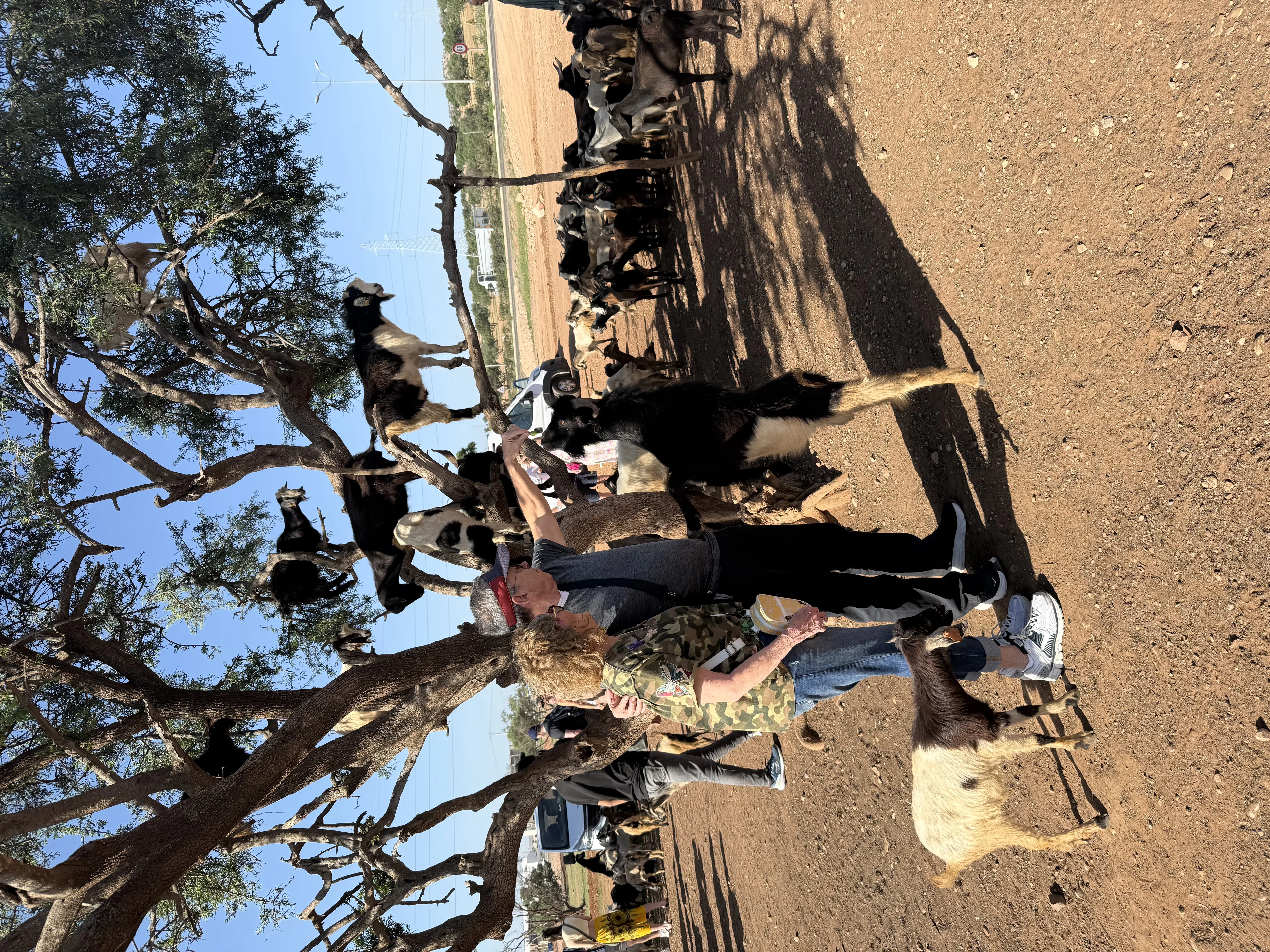
Morocco's desert landscapes evoke memories of southern Utah, with their sweeping sands and arid beauty. On my recent travels through this enchanting country, I was struck by the omnipresent grains of sand that infiltrate every aspect of life—finding their way into eyes, ears, and noses, particularly during the hot, eastern winds. The best time to experience Morocco is undoubtedly in spring, when the majestic Atlas Mountains, still adorned with patches of snow, stand as guardians over coastal cities like Agadir and Casablanca. The climate is mild, and even as the winter jasmine flourishes, the argan fruit is yet to appear in southern Morocco. Here, goats are known to scale trees to partake in this unique delicacy, while women’s cooperatives work diligently to grind the kernels, producing the highly sought-after argan oil that has gained international acclaim.
Having traveled extensively around the globe, I am fortunate to have witnessed the diverse cultures that shape our world. While overtourism presents significant challenges in many popular destinations across the Mediterranean and Asia-Pacific regions, Morocco remains relatively untouched by these influences. The country retains its historical allure and traditional ways, even as it grapples with the need to enhance its economy and living standards for its citizens. Upon sharing my travel plans with neighbors, I was met with confusion over the distinction between Morocco and Monaco. Despite their similar names, these two places are worlds apart—Monaco boasts the highest per capita income globally at approximately $275,000, whereas Morocco's per capita income is around $5,100, reflecting stark differences in wealth and opportunity.
Faith, Community, and Shared Humanity
In terms of religion, Monaco's population is predominantly Catholic, with 90% identifying as such, while Morocco is home to a Muslim majority, with over 99% of its citizens practicing Islam. Interestingly, while there is no Latter-day Saint congregation in Monaco, a small community exists in Morocco, comprising around 100 members. My experiences of visiting the Hassan II Mosque in Casablanca remind me of attending the St. George Tabernacle back home; both places exude a unique charm and spiritual resonance that connects believers across different faiths.
Recently concluding the holy month of Ramadan, during which Muslims fast from dawn until dusk, I was fascinated by the special foods prepared to sustain participants throughout the day. One such dish, Zmita, resembles a hearty blend of granola and oatmeal, providing essential energy and nutrition. Although I found it a bit too crumbly for my palate, I opted for chebakia, a delicious sesame and honey cookie, to share with friends and neighbors, showcasing one of Morocco's seasonal delights.
While my own faith remains paramount, I hold a deep admiration for the dedication demonstrated through fasting and prayer during Ramadan—a sentiment that resonates with what Swedish theologian Krister Stendhal might refer to as 'holy envy.' Engaging with different faith traditions can significantly enhance our understanding of our own beliefs, fostering a sense of shared humanity. In light of recent conflicts in the Middle East, there is a concerning tendency to stereotype individuals of non-Christian faiths, mistakenly grouping all Muslims into a singular narrative. Such an approach is not only reductive but also disregards the rich individuality that each person embodies. President Dieter F. Uchtdorf, acting president of the Quorum of the Twelve Apostles of The Church of Jesus Christ of Latter-day Saints, has emphasized the importance of recognizing our shared experiences and aspirations rather than framing others as enemies. He poignantly reminds us of the human inclination to perceive ourselves as the 'good guys' while labeling those with differing beliefs as 'bad guys.'
Traveling to a culturally rich destination like Morocco, whether through direct experience or vicarious exploration, has the potential to dismantle barriers and highlight our shared humanity. For instance, while navigating the labyrinthine streets of a medina, the kindness of strangers offering assistance is a powerful reminder that people are often more than their media portrayals. A Moroccan friend, Youssef, who has three children, expressed his desire for them to receive a good education and to engage with Americans, hoping they would gain insights into diverse lifestyles and the fruits of hard work—aspirations that echo my own hopes for my children and grandchildren.
Experiencing Morocco invites one to embrace the concept of 'barakah,' a sense of divine blessing that permeates daily life. This can be felt in the warmth of the locals' hospitality and seen in the enduring resilience of the Kasbah walls, which have withstood numerous historical invasions. Morocco is not merely a travel destination; it is a treasure that encourages a re-evaluation of our own identities and perceptions. Just as the stones of the Tangier Kasbah have been smoothed by the elements over time, so too can we emerge from this experience transformed, enriched by the wisdom and strength of the Moroccan people.
As reported by deseret.com.