
Dubai and Marrakech: Divergent Economic Models
Dubai and Marrakech serve as two contrasting examples of urban development and economic strategies within the broader context of global capitalism. Dubai, known for its rapid modernization and luxury tourism, has become synonymous with opulence and innovation. The city's economic model is heavily reliant on attracting foreign investment, creating a tax-free environment, and establishing itself as a hub for international business. This strategy has led to the construction of iconic structures, such as the Burj Khalifa, and has positioned Dubai as a premier destination for global travelers.
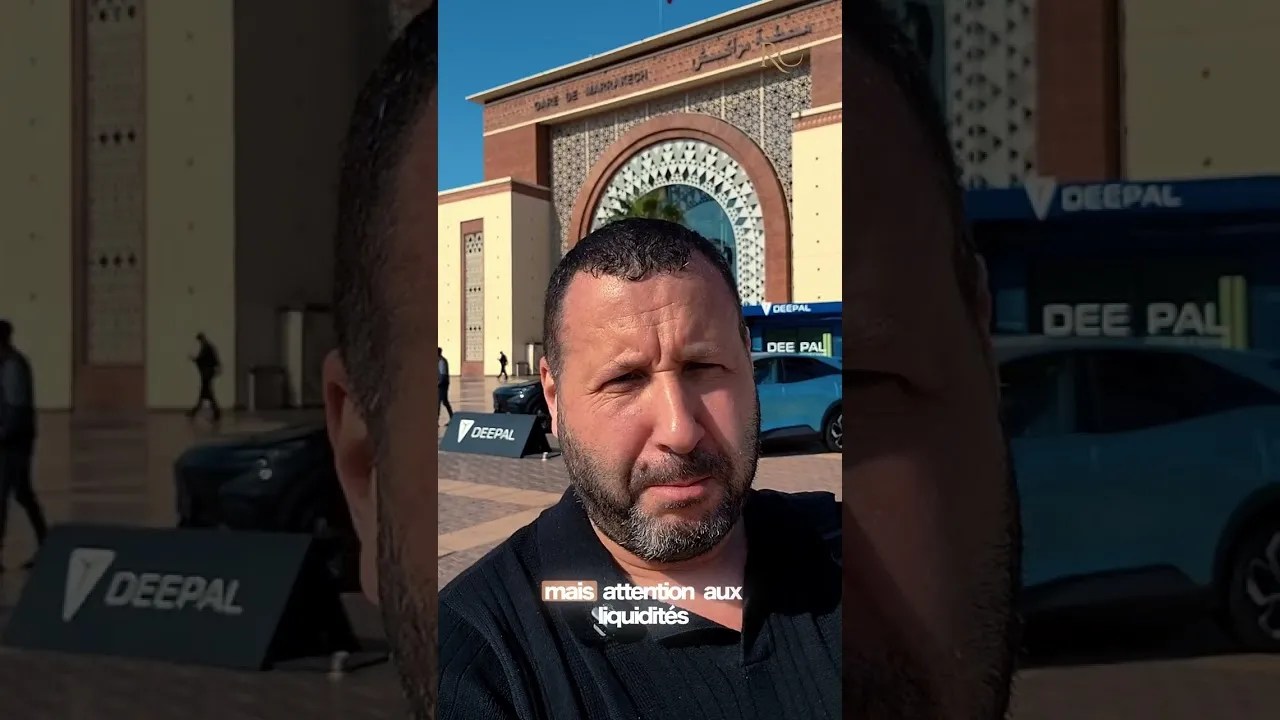
On the other hand, Marrakech embodies a different approach to capital. While it attracts tourists, the city maintains a strong connection to its historical and cultural roots, emphasizing the preservation of its traditional markets and architecture. The economic activities in Marrakech are more localized, focusing on crafts, hospitality, and cultural experiences, which provide a stark contrast to Dubai's high-paced commercialism. This difference in economic logic not only highlights the diverse ways cities can develop but also raises questions about sustainability and the impact of globalization on local cultures.
As these two cities continue to evolve, they reflect the complexities of modern urbanization, where the balance between tradition and modernity plays a crucial role in shaping their identities and futures.
As reported by youtube.com.