
Advocating for Amazigh Women’s Rights on International Women’s Day
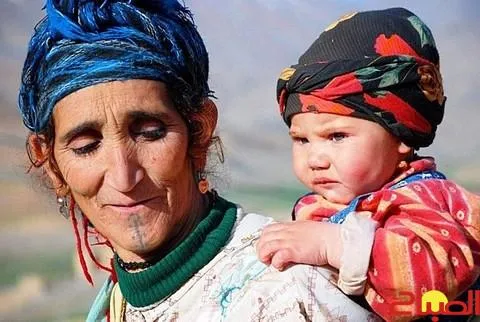
On International Women’s Day, the Amazigh Women’s Voice Organization, known as "Amsli," has called for the implementation of more equitable public policies that benefit Amazigh women in Morocco. The organization emphasizes that achieving genuine equality necessitates addressing the existing social, economic, and regional disparities that continue to affect these women across various regions. In a statement released to mark this significant day, Amsli asserted that gender justice cannot be separated from the establishment of social, linguistic, and regional justice, highlighting that the empowerment of women is a fundamental requirement for building a democratic society grounded in dignity, equality, and freedom.
The organization noted that in recent years, Amazigh women have increasingly made their presence felt in public spaces through grassroots initiatives and protests in various regions, thus elevating issues that were once considered local to the national level in terms of human rights. The nature of their demands varies according to the unique characteristics and needs of each area. For instance, in the Souss region, women are advocating for property rights, land access, and environmental protection, while in the Azilal province, the focus is on improving access to essential services, particularly in health and education, along with efforts to combat child marriage.
Addressing Regional Challenges and Promoting Environmental Justice
Moreover, in other areas such as Figuig, the demands center around water rights and the management of natural resources, whereas in the Rif region, activists are calling for spatial justice and broader opportunities for development and employment. The statement from Amsli also highlighted the environmental challenges faced by women in oases, especially in regions like Tata, where climate change, water scarcity, and the degradation of ecosystems have a direct impact on traditional lifestyles and food security for families.
In this context, Amsli emphasized that Amazigh women play multiple roles within their communities, extending beyond mere social participation to encompass the preservation of the Amazigh language and culture, as well as safeguarding collective memory. They are also active in struggles linked to defending social and economic rights, access to justice, and essential services. Despite the constitutional achievements made, including the official recognition of Amazigh identity, the organization believes that the current challenge lies in narrowing the gap between legal texts and the actual implementation of these rights on the ground.
In conclusion, Amsli reiterated that the issues surrounding political leadership and human rights for Amazigh women hold a unique significance in Morocco due to the interplay between gender, linguistic identity, cultural belonging, and the persistent regional disparities across different areas of the country.
As reported by assabah.ma.