
Advocating for Change on International Women's Day
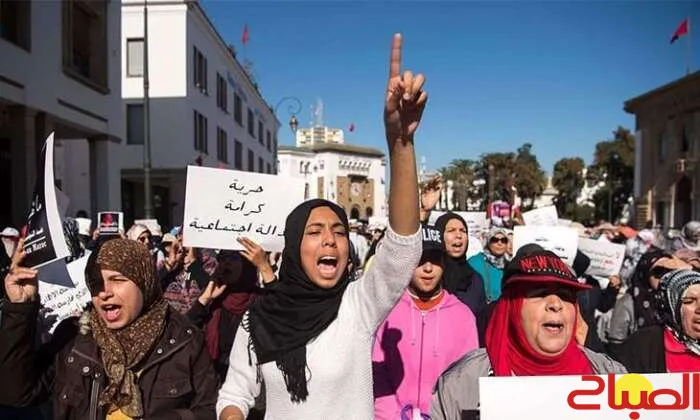
In the spirit of International Women's Day, observed annually on March 8, the Association for Equality and Citizenship has seized this occasion as a pivotal moment for advocacy and reflection. This year, the association underscores the collective commitment to the ongoing struggle for gender equality and the enhancement of women's rights across various spheres, including civil, political, economic, social, cultural, and environmental domains. The association's statement emphasizes that the commemoration of this day occurs against a backdrop of rapid social, cultural, and digital transformations that continue to pose challenges related to persistent discrimination and inequality. Notably, stereotypical representations of women remain prevalent, perpetuating traditional views that hinder women's roles and status within society.
Challenging Stereotypes for a Better Future
This year, the association has chosen to commemorate this day under the banner "For Media and Culture Free from Stereotypes: A Continuous Struggle for Equality and Dignity." It highlights that stereotypes directed against women and girls are not mere transient cultural representations; rather, they are structural factors that contribute to the replication of gender inequality. This issue pervades not only media spaces but also educational and cultural institutions, as well as digital platforms, which have become vast arenas for disseminating social content and representations. The association has noted that many media narratives and cultural productions in Morocco still depict women in traditional and reductive roles, reinforcing dependency and symbolic exclusion. This portrayal weakens women's presence as essential agents in development and decision-making processes.
In this context, the association has called for the reinforcement of public media and cultural policies that uphold the principle of equality between men and women while actively combating discriminatory stereotypes and representations. Furthermore, it emphasizes the need to encourage the production of media and cultural content that illuminates the diverse roles of women in society and reflects their contributions across various facets of public life. The association also insists on the integration of gender perspectives in the training of journalists and professionals in the media and audiovisual production sectors. This should be complemented by strengthening the role of public institutions and regulatory bodies in monitoring media content that may perpetuate discrimination or stereotypes against women, alongside supporting civil and academic initiatives aimed at analyzing and questioning the portrayal of women in media and digital spaces.
The association firmly believes that combating stereotypes is a fundamental entry point for addressing various forms of symbolic and digital violence inflicted upon women and girls. This endeavor necessitates a collaborative effort among public institutions, media outlets, and civil society to cultivate a societal culture rooted in values of equality, dignity, and mutual respect. In this context, the association reiterates its engagement in numerous initiatives and projects aimed at promoting a fair and equitable representation of women within media and digital spaces, stemming from its conviction that cultural change is a cornerstone for building a democratic society that ensures rights and freedoms for all.
In conclusion, the Association for Equality and Citizenship extends its recognition and appreciation for the struggles of Moroccan women and the efforts of the women's rights movement, which have significantly contributed to achieving various legal and institutional gains over the decades. The path to actual equality remains a collective journey that requires sustained community mobilization and human rights advocacy.
As reported by assabah.ma.