Stalled Negotiations and Rising Tensions
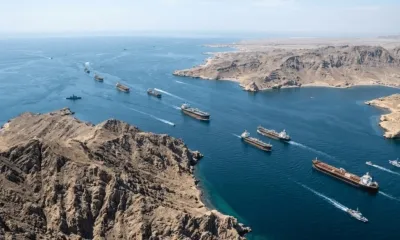
The geopolitical landscape surrounding the Strait of Hormuz remains fraught with heightened tensions, as negotiations between Iran and the United States face significant setbacks. Despite ongoing discussions, substantive disagreements persist over critical issues, leading to a prolonged stalemate. Iranian Parliament Speaker Mohammad Bagher Ghalibaf has underscored the lengthy road ahead towards a final agreement, highlighting the deep gaps that remain on fundamental matters. As international pressures mount to reopen this vital maritime passage—through which nearly one-fifth of global energy trade transits—the stakes are undeniably high.
Tehran views the Strait of Hormuz as a pivotal leverage point against U.S. sanctions, explicitly linking the reopening of this corridor to the lifting of the blockade on its ports. Analysts suggest that this strategy signifies a shift from mere political posturing to a more calculated approach aimed at controlling global energy flows. Although Iran had previously announced the reopening of the strait following a temporary ceasefire, the decision was promptly rescinded. This reversal is interpreted by observers as a direct message to Washington, indicating that any de-escalation on the ground will demand economic concessions.
Contrasting Positions and Regional Implications
On the other hand, the United States exhibits a dual-toned rhetoric; President Donald Trump has described the talks as "positive," while simultaneously cautioning against any Iranian attempts to utilize the strait as a form of coercion. This inconsistency reflects a U.S. desire to keep negotiation avenues open without making rapid concessions. Amidst these dialogues, Iran has amplified its warnings regarding the dangers of navigating the strait without proper coordination, with the Revolutionary Guard threatening to target non-compliant vessels. This escalation has coincided with sporadic security incidents, including gunfire and damages to commercial ships, intensifying fears of a broader confrontation.
Moreover, the nuclear file remains a contentious point, complicating the negotiations further. While Washington hints at the possibility of transferring Iran's uranium stockpile, Tehran has firmly denied that such a proposal was ever part of the discussions. The regional turmoil adds another layer of complexity, particularly with rising tensions in Lebanon and casualties among international forces, threatening to expand the conflict and undermine prospects for a swift resolution.
Despite some positive indicators from regional mediators, such as Egypt and Pakistan, the current political and military realities suggest that achieving a comprehensive agreement remains elusive. The fundamental contradictions in the core demands of both parties, coupled with the use of economic and military pressure tactics, imply that any diplomatic breakthrough hinges on more profound shifts in both sides' stances. Ultimately, the Strait of Hormuz is poised to remain a potential flashpoint—not only because of its economic significance but also as a symbol of the broader struggle for power and influence between Iran and the United States.
Recently, Iran reiterated its stance, declaring that it would not compromise or retreat from its positions in negotiations mediated by Pakistan, while President Trump warned against any form of "extortion" following Iran's renewed closure of the strait in response to the ongoing U.S. blockade of its ports. After Foreign Minister Abbas Araghchi announced the complete reopening of the strait during the remaining ceasefire period in the Middle East, the armed forces reimposed "strict management" over this crucial waterway.
As reported by ar.lemaghreb.tn.