
Transforming Security Operations in M'diq-Fnideq
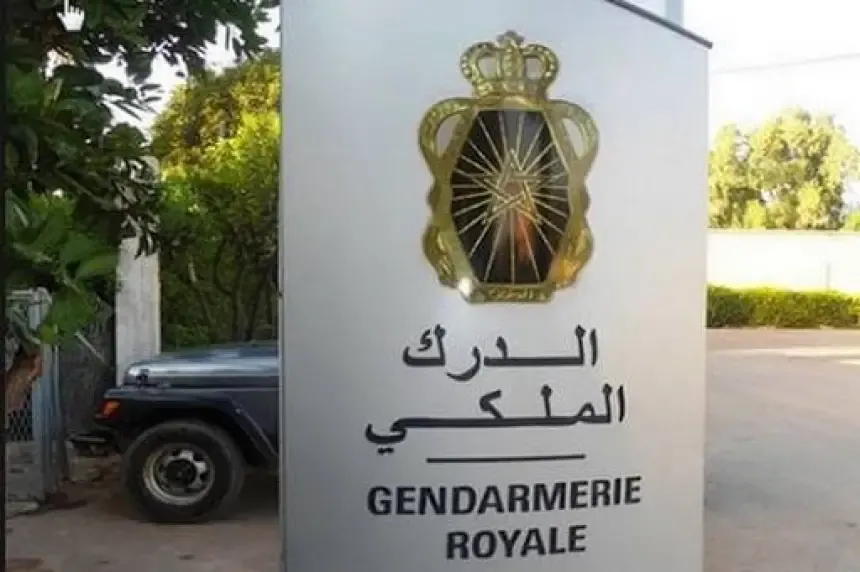
Recent reports indicate that the high command of the Royal Gendarmerie in Morocco is planning to establish an independent regional command in the M'diq-Fnideq area, following years of its affiliation with the regional command in Tetouan. This initiative is part of a broader territorial reorganization aimed at enhancing security efficiency in a region that is known for its sensitivity along the Mediterranean coast. The establishment of this new command is expected to play a crucial role in addressing the unique security challenges faced by the area, particularly those related to illegal immigration, human trafficking, and international drug smuggling.
According to sources close to the matter, this initiative is aligned with the ongoing modernization efforts within the Royal Gendarmerie, focusing on strengthening its field presence and bringing decision-making closer to areas facing heightened security threats. The M'diq-Fnideq region, given its border and maritime location, poses specific security challenges that necessitate a dedicated approach to law enforcement and rapid response capabilities.
Leadership Changes and the Path Forward
In conjunction with the establishment of the new command, it has been reported that a senior officer who previously led the gendarmerie in Tetouan will be reassigned to oversee the regional command in Marrakech. This move reflects the confidence placed in experienced security personnel capable of managing complex security environments. The officer's tenure in Tetouan was marked by significant increases in security operations aimed at combating various criminal activities, including networks involved in illegal immigration and drug trafficking. His new role will present distinct challenges, particularly in managing security during large-scale national and international events in Marrakech, a city renowned for its global tourist appeal.
As the local community in the northern region looks forward to the operational commencement of the newly formed command, there are hopes for the continuation of the security momentum witnessed over recent years. The community anticipates that the new command will maintain high readiness and effectiveness in combating organized crime and ensuring public safety. The success of this initiative will not only depend on preserving the security gains achieved in the past but also on adapting to the rapid changes in the regional landscape while bolstering public trust in law enforcement agencies.
As reported by akhbarona.com.