
EU-Morocco Partnership Stands Strong Against External Pressures
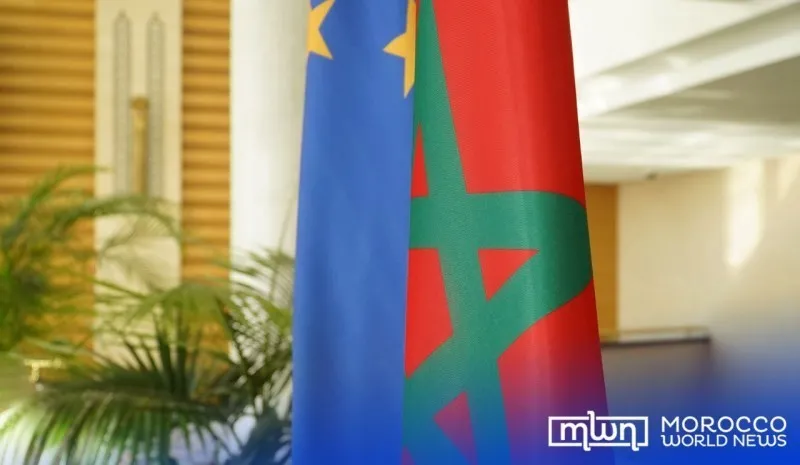
In a recent assembly, members of the European Union Commission have reiterated the significance of the EU-Morocco partnership, specifically highlighting the agricultural agreement that was modified last October. This agreement extends preferential tariff benefits to products originating from the southern provinces of Western Sahara, demonstrating a long-standing commitment to mutual cooperation between the EU and Morocco. During a regular session of the Committee on Agriculture and Rural Development, lawmakers noted that agricultural imports from these regions account for nearly one-third of all products brought into the EU from Morocco. Lawmaker Matthias Petschke emphasized that the majority of these imports are fisheries products, which dominate both in quantity and economic value.
Petschke clarified that the agreement should not be confused with a typical agricultural deal; rather, it is fundamentally an agreement concerning tariff preferences for products sourced from Western Sahara. He provided insight into the statistics, revealing that of the 203 million tons imported from this region in 2022, a substantial 129 million tons were fisheries products, including canned sardines, whereas agricultural items like tomatoes and melons constituted about 74 million tons. He reassured that the preferential treatment for agricultural products remains unchanged compared to the previous agreement established in 2018.
Amidst this backdrop, EU lawmakers acknowledged the external pressures stemming from pro-Polisario movements that aim to challenge Morocco's sovereignty over these territories. They noted heightened concerns regarding the importation of tomatoes, with the EU importing approximately 800,000 tons annually, of which about 70,000 tons—approximately 8.2%—originated from the Western Sahara region. They stressed that the established origin labeling protocols are strictly adhered to, ensuring that products from Morocco's southern provinces are accurately identified as originating from Laayoune-Sakia El Hamra or Dakhla-Oued Eddahab.
These statements come at a time when pro-Polisario, Algeria-backed activists are intensifying their campaigns to persuade the EU to recognize the southern provinces as an independent entity. Despite their efforts, which have included attempts to disrupt the UN-led political process favoring Morocco's position, these groups have struggled to gain traction. In response, Morocco has made it clear that it is prepared to terminate its partnerships with the EU should there be any failure to respect its territorial integrity. This firm stance appears to have had a positive impact, as the EU and Morocco continue to collaborate closely, particularly in revitalizing the fisheries agreement, showcasing a resilient partnership amidst ongoing geopolitical challenges.
As reported by moroccoworldnews.com.