
EU's Industrial Accelerator Act: A Shift Towards Protectionism
The European Commission has recently unveiled the Industrial Accelerator Act (IAA), a legislative proposal aimed at bolstering industrial production within Europe and reducing reliance on foreign investments. This protective measure is particularly significant for Morocco, which may face diminished prospects as a hub for investments directed toward the European market. The Act emphasizes a preference for European products, particularly in strategic sectors, and aims to enhance the EU's competitiveness in the face of global powers, notably China. With Morocco’s industrial model increasingly integrated into global value chains, particularly those of Europe, the potential impacts of this legislation could be profound, as highlighted in a recent report by _Challenge_.
The rationale behind the IAA stems from a recognized structural competitiveness deficit within the EU's strategic industries. The influx of Chinese goods into the European market, combined with the aggressive trade policies of the United States, has underscored a widening gap between the EU and these economic rivals. A report by Mario Draghi published in September 2024 already flagged this economic decoupling, suggesting a series of interventions including annual investments of approximately €800 billion focused on innovation, decarbonization, and defense. Furthermore, the report advocated for streamlined regulations and improved coordination of industrial policies to avert stagnation.
Potential Risks and Opportunities for Morocco
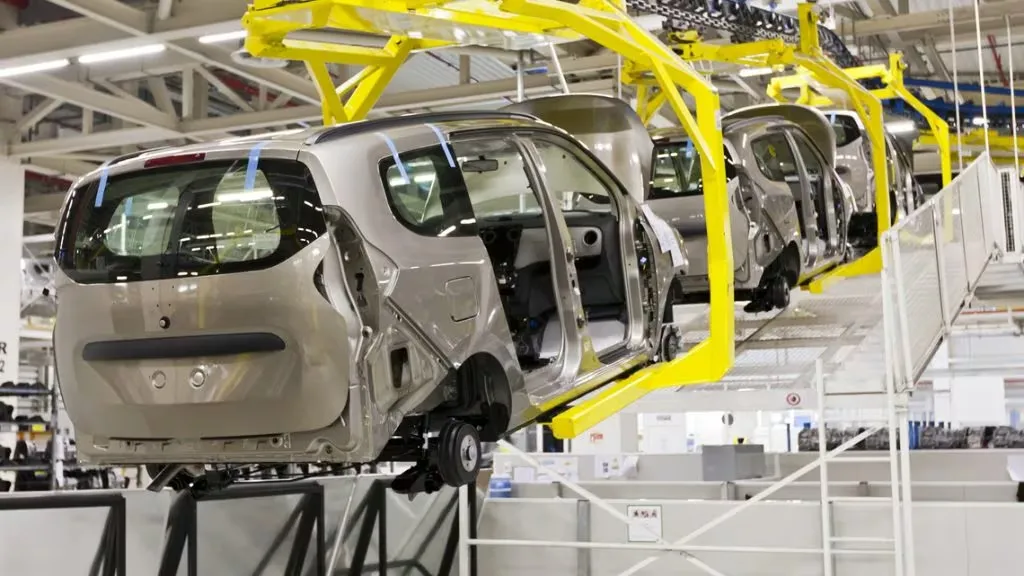
The IAA introduces explicit protectionist measures, including local production quotas and restrictions on foreign investments. The goal is to elevate the industrial sector's contribution to the European GDP to 20% by 2035, up from the current 14%, while reinforcing the continent's industrial sovereignty. The automotive industry, which has notably suffered from a decrease in European competitiveness, is a focal point of this legislation. Notably, the law mandates that electric vehicles must incorporate a certain percentage of components manufactured in Europe, thereby placing additional pressures on non-EU countries such as Morocco. This poses a substantial risk to Morocco, whose industrial framework has thrived on its gradual integration into European value chains, especially since the establishment of the free trade agreement with the EU in 1996, which has facilitated duty-free access for Moroccan industrial products to European markets.
In response to these challenges, some voices within the European Commission are advocating for a more flexible approach regarding the sourcing of industrial content from countries with which the EU has free trade agreements. This could potentially benefit Morocco, particularly as it has recently implemented a national preference clause in public procurement processes aimed at promoting local small businesses and the use of domestic products. However, discussions regarding this legislative proposal are anticipated to be complex, with varying perspectives among EU member states. For instance, the Greens in the European Parliament have raised concerns that extending the definition of 'made in Europe' to include third countries could undermine the effectiveness of the IAA.
Moreover, the IAA stipulates stricter conditions for foreign investments in sensitive sectors such as battery production and electric vehicles. Any project exceeding €100 million from a market-dominating country like China will need to meet at least four out of six specified criteria, which include commitments to European employment, limited capital participation, significant technology transfer, and local procurement minimums.
As reported by fr.le360.ma.