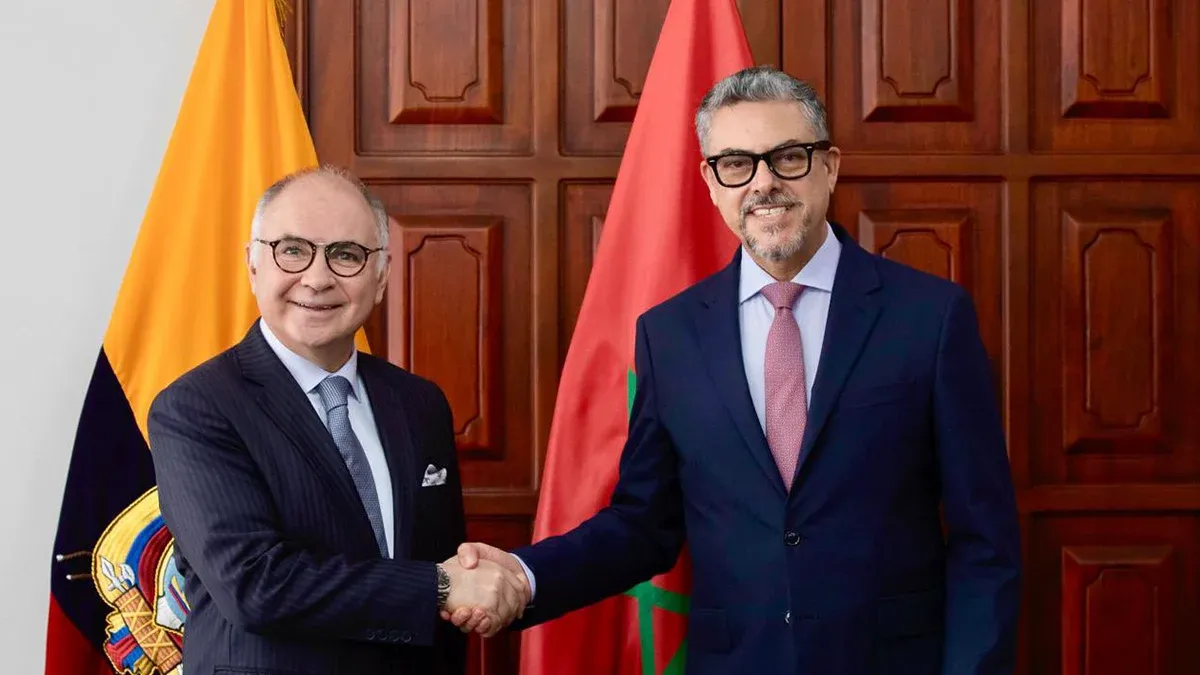
On April 16, 2023, Kaja Kallas, the European Union's High Representative for Foreign Affairs, emphasized the significance of the strategic alliance between Morocco and the EU during her inaugural visit to Rabat. This visit was crucial as it aimed to establish a new framework for bilateral relations, elevating cooperation to a "higher level." In a press conference alongside Moroccan Foreign Minister Naser Burita, Kallas stated, "We are at a pivotal moment for our relations. Morocco is a close, reliable, and strategic partner for the European Union."
Kallas highlighted that the EU is Morocco's "primary trading partner and the largest foreign investor," noting that trade exchanges have quintupled since the year 2000. She expressed confidence in the already robust partnership, indicating plans to enhance it even further. Burita underscored Morocco's essential role in fostering cooperation in the Mediterranean, highlighting the EU's appreciation for Morocco's contributions to the Pact for Stability and Security in the region, particularly referencing a high-level meeting organized last September.
During the press briefing, Kallas mentioned, "There is no doubt that our cooperation makes us stronger. Today, we have confirmed preparations for a security dialogue and a Regional Security Forum to be held later this year." These two events are expected to deepen collaborative efforts in combating terrorism, maritime security, and resilience against hybrid threats, areas where Morocco plays a central regional role. Additionally, new agreements regarding trade, investments, and migration are on the horizon, aiming to elevate bilateral relations further.
"I am confident that we will launch this partnership this year, reflecting the importance of the relationship between the Kingdom of Morocco and the European Union. We want to achieve much more together," Kallas stressed. Burita described the relationship with the EU as "strategic" and highlighted its unique nature, rooted in the recognition of Morocco as a longtime, reliable partner.
During the visit, concrete measures were agreed upon, including discussions on the future of the Morocco-EU partnership. The goal is to expedite the creation of a new strategic partnership document that will serve as a framework for relations in the upcoming years.
In response to press inquiries, Kallas also addressed the situation in Western Sahara, reaffirming that the EU has already expressed its support for the United Nations Security Council resolution. "The EU announced its change of position earlier this year, reflecting significant progress made in the latest UN Security Council resolution, which calls for negotiations based on the autonomy plan proposed by Morocco," she noted. Kallas expressed optimism regarding recent developments, particularly the discussions facilitated by the United States along with the UN, regarding the future of the former Spanish colony.
Furthermore, Kallas commented on the recently announced ceasefire between Israel and Lebanon, stating that it "urgently provides the necessary cessation of hostilities and relief for civilians who have suffered greatly in recent weeks. We hope both parties will also confirm this ceasefire." She emphasized that this ceasefire must now be utilized to step away from violence and create space for negotiations towards a more lasting peace.
Before concluding her visit to Morocco, Kallas is scheduled to meet with Moroccan women’s groups and visit a university in the city of Fez.
As reported by swissinfo.ch.