
Morocco's Economic Growth Fueled by Agriculture
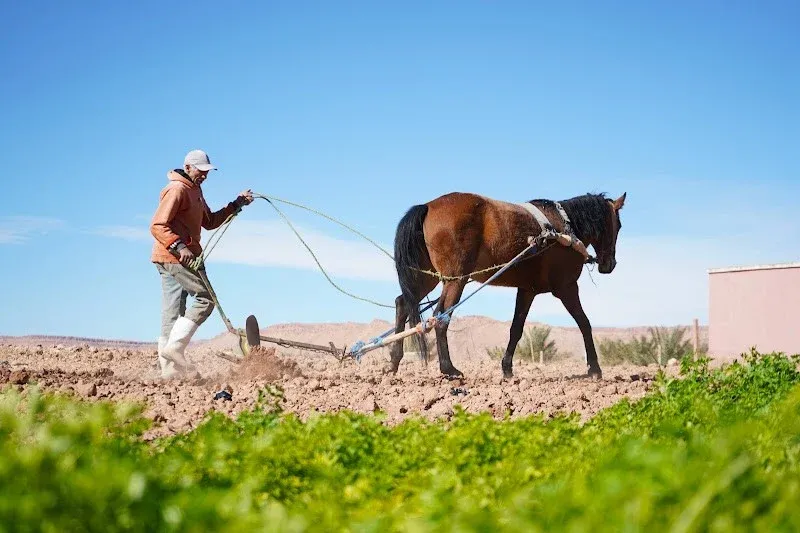
In a remarkable turn of events, Morocco is poised for its highest rate of economic growth in years, largely attributed to an exceptional agricultural season. According to the Bank of Morocco, the country's economy is on the brink of a significant leap, with anticipated growth reaching 5.6% in 2026. This optimistic forecast is underpinned by robust macroeconomic indicators, particularly the agricultural sector, which is expected to experience a remarkable boost. Following a year of abundant rainfall, the harvest of cereals is projected to exceed 82 million quintals, providing a strong internal engine for growth. This achievement is complemented by a notable stability in non-agricultural activities and an increase in institutional confidence, all contributing to a buoyant economic landscape.
However, the impressive figures also reveal a paradox, as Morocco faces the challenge of maintaining stability amid external shocks, particularly regarding energy supplies. While the country's substantial foreign currency reserves and the availability of flexible credit lines offer a protective buffer for its financial equilibrium, the ongoing risks stemming from climate dependency and fluctuating energy prices remain significant structural obstacles that test the resilience of the Moroccan economy.
Growth Trajectory and Agricultural Impact
According to Abdel Razak El Hiri, a research professor and director of the Coordination Laboratory for Studies and Economic Forecasting at Fez University, Morocco is currently witnessing its highest growth rate in several years. Following the Bank of Morocco's first quarterly meeting of 2026, figures indicated a growth rate of 4.8% in 2025, with projections suggesting an increase to 5.6% in 2026 before settling at around 3.5% in 2027, assuming the return to an average agricultural yield. This robust recovery is attributed primarily to the extraordinary agricultural season, with approximately 4 million hectares cultivated and a cereal yield expected to reach 82 million quintals.
Concurrently, the non-agricultural sector maintains a stable growth dynamic, estimated at around 4.5%, driven by investments in infrastructure and major projects. When considering protection against external shocks, El Hiri notes that Morocco's access to a $4.5 billion flexible credit line serves as a preventive shield to enhance resilience and sustainability, especially amid international uncertainties and geopolitical developments. He emphasizes that this credit line is only extended to countries that meet stringent criteria regarding sound budgetary and monetary policies, which Morocco satisfies.
In conclusion, while Morocco enjoys a period of economic growth driven by an exceptional agricultural season, it remains imperative to address the underlying challenges posed by external economic shocks, particularly energy price volatility. The combination of robust agricultural output and the need for comprehensive reforms focused on financial stability, energy security, and social justice will be crucial in ensuring that the purchasing power of consumers does not become the weakest link in the face of international market fluctuations.
As reported by hespress.com.