
As Morocco gears up for a crucial second half of 2026, the landscape of natural gas exploration is set to evolve significantly with the anticipation of two key drilling projects in the Oriental region, four offshore initiatives in development, and new negotiation blocks on the horizon. These upcoming ventures promise to unlock substantial gas reserves and bolster Morocco's energy sector.
Key Developments in Natural Gas Exploration
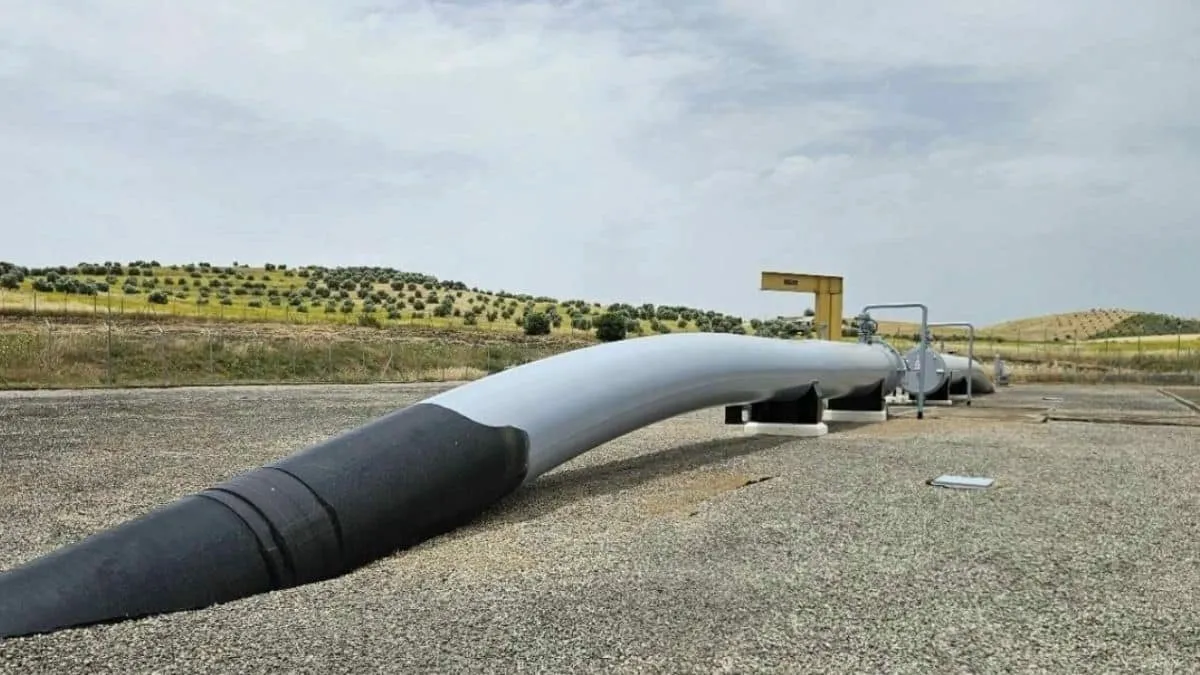
The British company Predator has announced plans to commence drilling the Mou-6 well starting in August 2026, pending the acquisition of necessary administrative and environmental permits expected in July. This well holds the potential to release 2.7 billion cubic meters (m³) of gas from an estimated total potential of 18.8 million m³. Similar to the Gharb region, the gas from Guercif will initially be marketed as compressed natural gas, serving industrial purposes rather than electricity generation. The successful operation of the Mou-6 well could lead to an additional flow of 200 million m³ per year through the Maghreb-Europe (GME) pipeline.
In addition to the Mou-6 project, the SBK-1 well at Tendrara is poised to enhance gas reserves by approximately 3.9 million m³, marking the beginning of Phase II in the gas-to-electricity production cycle. The anticipated production capacity for Tendrara is expected to reach 100 million m³, with initial flows commencing in December 2025.
Strategic Significance of the Upcoming Wells
The Mou-6 well is particularly crucial as it aims to mitigate technical challenges faced by the previously drilled Mou-3 well, which had hindered consistent and secure gas flow. Located a mere 600 meters from Mou-3, the new well has been constructed with the intent to facilitate a smoother operational process. The economic implications could be substantial, with projected production reaching 20 million standard cubic feet per day over a ten-year span, generating significant revenues for Predator and contributing to the national energy portfolio.
Meanwhile, the SBK-1 well's location in the Anoual license area presents a promising opportunity to tap into geological formations akin to those of the Tendrara development scenarios. Although the M5 well nearby offers a lower probability of success, it could still yield an estimated 9 million m³ of gas if favorable outcomes are realized. The recent disengagement of Sound Energy from these drilling responsibilities has paved the way for Mana Energy to take over, ensuring that the SBK-1 well will be essential for initiating the second phase of production.
Beyond these significant onshore projects, the exploration landscape is expanding offshore with four additional projects being developed in the Atlantic: Gharb Deep Offshore by Murphy Oil, Safi-Essaouira and Agadir-Ifni by ESSO Exploration, Mogador Offshore by Hunt Oil, and Boujdour by Adarco/Delek Energy. The ongoing seismic data processing for these initiatives is crucial for informed drilling decisions, especially as offshore drilling tends to entail higher costs and risks.
The Chariot Energy company is also making strides in economically viable developments for its offshore Anchois field while negotiating farm-out agreements for its offshore permits. Furthermore, a new offshore block named El Argoub, located south of Dakhla, is currently under negotiation, highlighting Morocco's commitment to expanding its natural gas exploration frontiers.
As reported by medias24.com.