
Innovative Cinematic Experiences at Vues d'Afrique
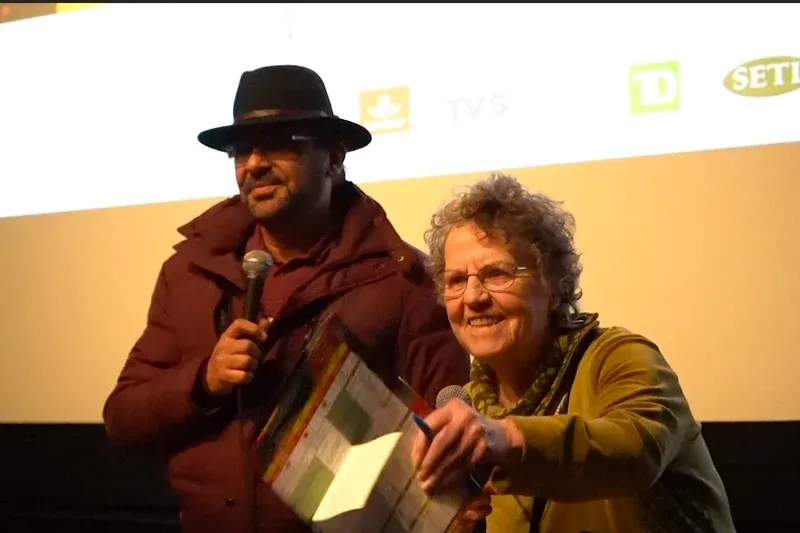
The renowned Moroccan filmmaker, Azlarab Alaoui, has chosen the prestigious Vues d’Afrique festival in Canada to unveil his thought-provoking vision through his feature film, "Africa Blanka: The Color of Alienation." This film screening attracted a diverse audience comprising Canadians, Africans, and Moroccans, transforming a simple cinematic showing into a profound human revelation about issues of marginalization and dignity across the African continent. The engagement from the audience transcended linguistic and geographical barriers, showcasing the universal appeal of the film's themes.
In an interview with Hespress, Alaoui expressed that the presence in Montreal held a unique significance owing to the cultural diversity present in the audience, which included Moroccans, Africans, Canadians, and other international visitors. This rich tapestry of backgrounds contributed to a vibrant atmosphere during the screening.
A Deep Dive into Human Stories
Alaoui acknowledged the professional challenge of whether ‘author cinema’ could resonate with such a varied audience, but the outcome was astonishing. The audience connected deeply with the film's poignant scenes, affirming that diligent, heartfelt filmmaking can indeed touch viewers regardless of their backgrounds. The film follows the emotional journey of a young Senegalese boy, Abdu Aziz Sale, portrayed by Abdoulaye Sy, who suffers from albinism. Alongside his mother, played by Naki C. Savané, he embarks on a harrowing escape from the destructive grip of superstitions and the threats posed by witch hunts targeting those with lighter skin in certain African regions. This dramatic odyssey begins in Senegal, traverses the Sahara, and culminates in Morocco, weaving together lyrical language with grounded realism, drawing on Alaoui’s extensive experience in documentary filmmaking to capture the vulnerabilities inherent in the quest for dignity.
Moreover, Alaoui did not merely view the city of Fez as a filming location; he infused it with life, making it an integral part of the film's narrative. He selected this historical city, known for housing the Tijaniyya Sufi order, to symbolize a spiritual and historical bridge connecting Morocco to its African roots. This spiritual dimension played a crucial role in the protagonist's psychological transformation, as his engagement in Sufi dhikr sessions helped alleviate his existential fears and foster a profound reconciliation with himself and his surroundings.
The success of "Africa Blanka" at the Quebec festival marks yet another milestone in its international journey. Within just six months, the film has been showcased in over 17 countries, garnering nine awards for Best Film and participating in more than 23 international festivals. These accolades reflect the soft power of Moroccan cinema and its ability to address noble human issues on a global stage.
In this film, the talented actor Jamal Ababsi portrays a complex and controversial character involved in migration issues, adding a layer of stark realism to the film's narrative and its human contradictions. Ababsi expressed pride in the enthusiastic reception the film received in Montreal, emphasizing that portraying such intricate characters aims to shed light on the challenging social realities faced by many. He believes that this connection with the Moroccan community abroad provides him with a strong motivation to continue creating works that convey clear messages and philosophies.
As reported by hespress.com.