Empowering Youth through Gender Equality Initiatives
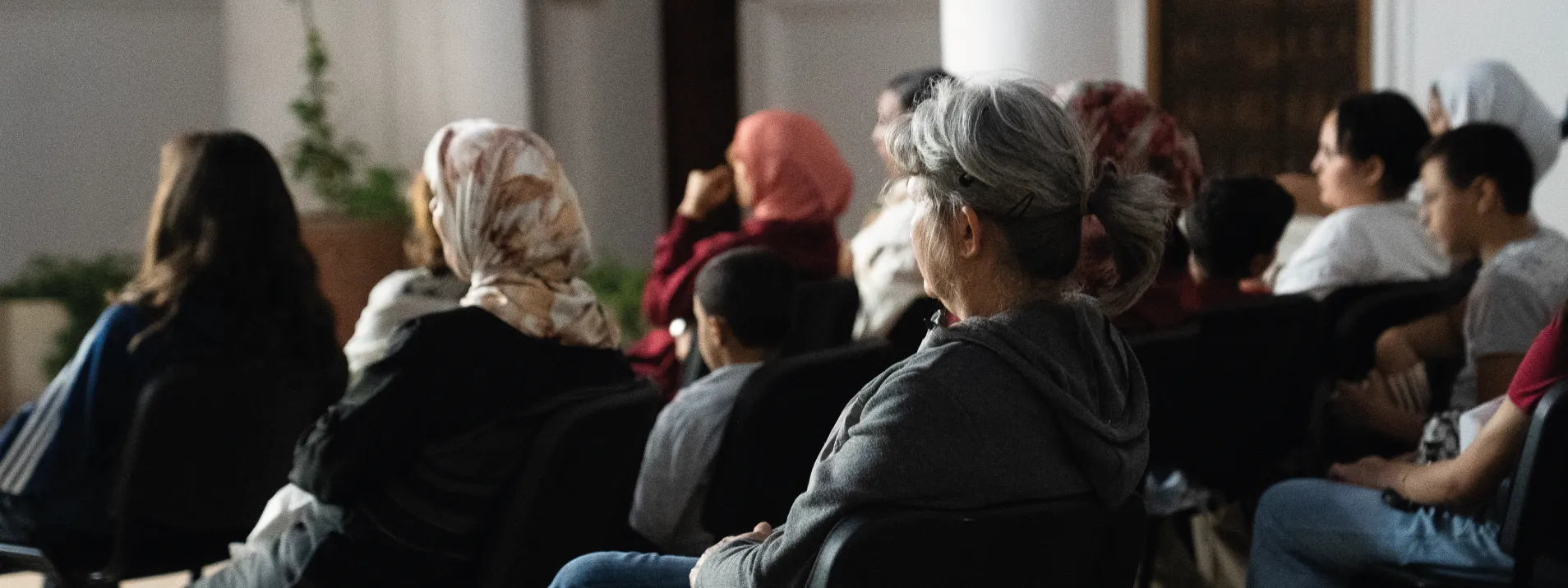
On April 28, 2023, the Institute for Research and Development (IRD) and Equipop hosted a significant forum in Rabat, Morocco, titled "Gender Equality: Challenges and Futures for Youth.” This event attracted around one hundred participants who gathered to engage in meaningful discussions aimed at advancing gender equality through research, education, culture, and feminist activism. The forum served as a platform to unveil actionable pathways derived from the two-year research project "Questions of Equality," which was implemented across Lebanon, Morocco, and Tunisia. This project explored various themes including sports, educational orientation, and the development of critical thinking, thereby contributing significantly to the discourse on gender equality.
Intersectionality and its Role in Social Justice
The forum featured a rich programming lineup that included thought-provoking debates, participatory workshops, and moments of inspiration. Participants included socio-educational teams, scientific members, civil society organizations, international entities, and local institutions committed to advocating for gender equality. A key focus was the concept of intersectionality, which allows for a nuanced understanding of equality and social justice, particularly in contexts shaped by colonial legacies, racial hierarchies, and persistent gender relations in the SWANA (South West Asia and North Africa) region. This approach raises critical questions regarding the invisibility of certain discrimination forms when they are analyzed in isolation rather than in their interconnectedness. Additionally, the forum explored the cultural narratives, artistic practices, and the power of storytelling in transforming power dynamics and fostering new alliances and solidarity among various groups.
Highlighting the discourse was Jamal Ouazzani, an artivist, writer, and poet, who passionately illustrated the transformative power of intersectionality. The event also included a book signing session for his works titled "Love" and "Muslim Feminists," further emphasizing the importance of literature in the ongoing struggle for equality.
The forum featured a panel moderated by Chama Tahiri, a cultural engineering consultant, entrepreneur, and independent journalist. The panelists included prominent figures such as Sarra Ben Said, a Tunisian intersectional feminist activist; Roula Douglas, a journalist and researcher; Soufiane Hennani, a researcher and social entrepreneur; and Caroline Vilatte, deputy director of IRD’s Scientific and Technological Culture Mission. Each panelist brought unique insights into the various dimensions of gender equality and social movements, providing a comprehensive overview of the current landscape.
Participants had the opportunity to choose from four parallel workshops, each designed to delve deeper into specific aspects of gender equality. These included discussions on gender equality in education, the backlash against rights movements, community cinema as a dialogue space, and the power of storytelling in advocacy. Each workshop aimed to foster collaboration and creative expression among participants, encouraging them to develop actionable strategies for promoting gender equality in their respective contexts.
The event also featured artistic contributions, such as the work of artist Sanaa Abouayoub, who uses lipstick as a symbol to explore femininity, self-love, and body expression, while challenging societal taboos. Through these diverse activities, the forum successfully highlighted the multifaceted nature of the fight for gender equality, underlining the importance of collaboration, creativity, and ongoing dialogue.
As reported by ird.fr.