Discovering the Wonders of Morocco
Morocco offers an exhilarating and multifaceted experience for students embarking on a Semester at Sea journey, as it embodies a unique blend of coastal landscapes, rich history, vibrant markets, delectable cuisine, and significant cultural transformations, all within a short span. This amalgamation can sometimes feel overwhelming, as students grapple with changing port details, excursion options that are revealed later, and the anxiety of potentially missing out on key highlights. Therefore, a well-thought-out tour plan for Morocco is essential; it allows students to fully appreciate their time in this diverse country without succumbing to the chaos of planning on the go.
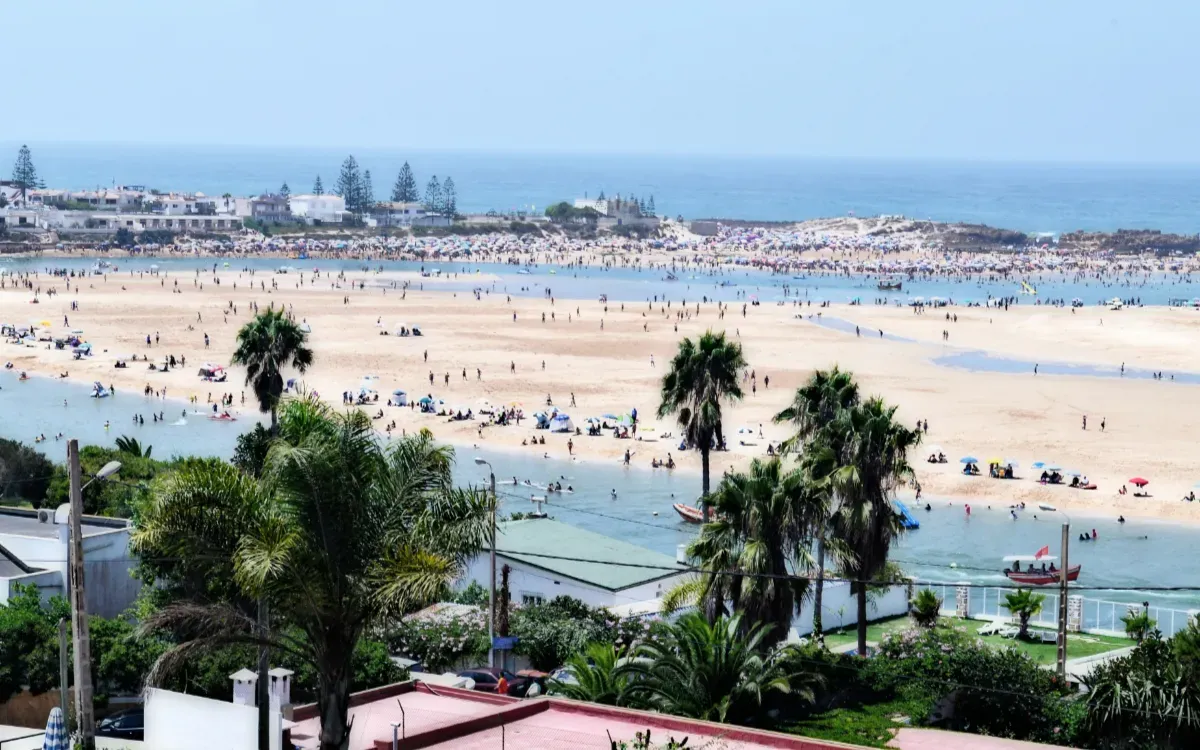
The specifics of your Moroccan adventure will largely depend on the port city you visit. This single factor influences the walkability of your itinerary, the distance of day trips, and how much you may need to prearrange. For the year 2026, recent updates indicate that Tangier will serve as the primary port for both the spring and fall voyages. The spring itinerary lists Tangier from April 2 to April 7, while the fall session has been updated to feature Tangier from September 22 to 27, shifting from the previously planned Casablanca destination. If you come across dates like April 5 to 11 or references to Casablanca, these likely pertain to earlier planning notes or the broader academic calendar.
Making the Most of Your Time in Tangier
The key takeaway is to always verify the latest voyage updates before finalizing your plans. Tangier is an excellent choice for students seeking an authentic introduction to Morocco without spending excessive time in transit. The city boasts ancient walls, breathtaking sea views, inviting cafés, and bustling medina streets, all conveniently situated within a manageable area. Additionally, Tangier's location in northern Morocco opens doors to classic side trips, with Chefchaouen and Tetouan often attracting students' interest due to their distinctive charm and slower pace compared to the port city. However, longer excursions are typically best enjoyed through approved field programs or well-organized travel plans.
Although Casablanca is no longer the primary focus for the Fall 2026 voyage, it still holds significance in Semester at Sea planning. Older promotional materials frequently depict Morocco through the lens of Casablanca, which helps explain why many students initially envision this city. Should Casablanca reappear on future itineraries, it will present a different atmosphere compared to Tangier—it's more modern, expansive, and better suited for landmark visits and longer trips to places like Rabat or Marrakesh, making it a useful departure point but less ideal for a leisurely day of exploration on foot.
A memorable stop in Morocco transcends merely ticking off famous landmarks. The most enriching days often strike a balance between structured activities and spontaneous discoveries. A typical itinerary could begin with a guided site visit, followed by an afternoon spent observing everyday life unfold in a local market or café, epitomizing the Semester at Sea philosophy. Morocco rewards those who take the time to engage with its vibrant culture; the unique architecture, diverse languages, lively street rhythms, and family-operated eateries each offer valuable insights if one pauses long enough to appreciate them.
Exploring a medina with a knowledgeable local guide can profoundly transform your experience. Without context, one might only perceive crowded alleys and market stalls, but with guidance, you begin to discern the interplay of trade, craftsmanship, spirituality, and neighborhood dynamics. This is why spending time guided through these areas often proves more significant than racing from one tourist site to another; it allows you to grasp how locals utilize their surroundings, the customs that shape daily life, and the nuances of shopping that extend beyond mere tourist interactions. While bargaining may be part of the experience, respectful conversation often takes precedence over merely chasing the lowest price.
Food is another powerful way to connect with Morocco long after your ship has set sail. The flavors of mint tea, tagine, fresh bread, olives, pastries, and robust café coffee linger in memory, as they are intrinsically tied to the local culture. One need not indulge in extravagant dining to savor these experiences; often, a simple lunch in a bustling, clean establishment can be more memorable than a meal at a high-end restaurant. Choose venues with steady turnover, inquire about popular dishes, and remain mindful of your budget to ensure you can sample a variety of delights without turning your day into a financial strain.
This is where a Semester at Sea tour of Morocco often distinguishes itself from conventional cruise travel. Port days can align with academic themes such as religion, colonial history, urban development, art, migration, and community life. Specific faculty-led options generally become available closer to the date of sailing, so don’t anticipate having a complete list far in advance. However, there is a familiar pattern: popular programs tend to fill quickly, and the most sought-after options often blend site visits with local perspectives rather than relying solely on sightseeing. Even broader coverage of current voyages, such as this report from Cruise Industry News regarding Spring 2026, illustrates the global and academically enriched nature of these semesters.
Effective planning does not necessarily equate to scheduling every minute of your day; rather, it means discerning which aspects of your trip require structure and which should remain flexible. Morocco can cater to both types of travelers—the student eager for a faculty-led field program can have a day filled with focused activities, while those preferring a single anchor event with time for exploration can also thrive. As voyage details crystallize, keep an eye on official channels, including the Semester at Sea voyage pages, where program choices become clearer in the months leading up to departure, and spots on popular options may fill swiftly.
Finding a balanced approach is often the most effective strategy. Prioritize one or two key activities, such as a day trip or an academic field program, and reserve an afternoon for a more leisurely local experience. This free time frequently becomes the highlight of your journey, whether it’s enjoying rooftop tea, navigating charming side streets, or stumbling upon a delightful bakery. Remember to keep the essentials straightforward—often the best travel advice.
Dress modestly, particularly in religious or traditional settings, carry some cash without displaying it openly, secure your belongings in crowded areas, and remain vigilant about the ship’s schedule, as a fantastic day ashore can quickly turn sour if you mismanage your return time. Respect is paramount; always ask before capturing close photographs of individuals, adhere to posted guidelines at mosques and historical sites, and exhibit politeness in markets even if you’re not making a purchase.
Morocco generally exudes warmth and hospitality, but students will find their experiences most rewarding when they approach their visit as respectful guests rather than mere spectators. A stop in Morocco can feel like three distinct journeys wrapped into one, which is precisely what makes it so remarkable. You’ll encounter adventure, academic exploration, and intimate moments that profoundly alter your perspective on a place. The most effective tour plan for your Semester at Sea in Morocco is typically the simplest: plan ahead, maintain flexibility, and choose experiences that align with your time, energy, and curiosity.
As reported by horydoly.cz.