
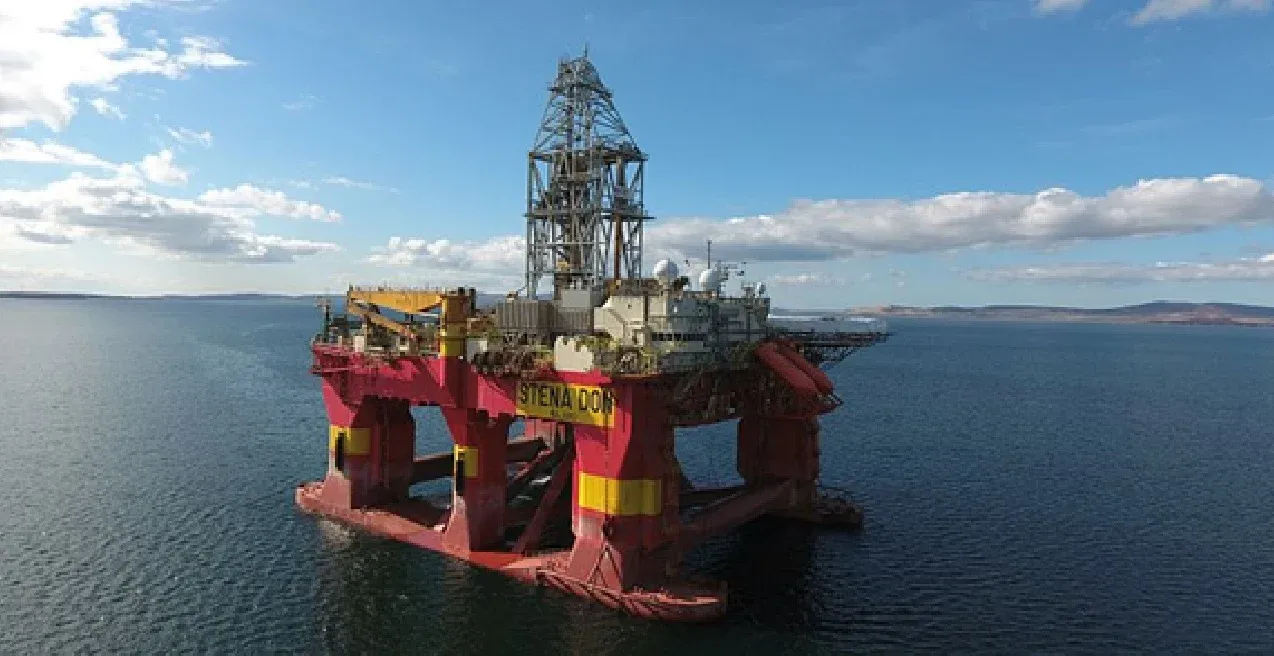

In 2009, Morocco made a significant breakthrough with the discovery of the Anchoua gas field, situated off the coast of Larache. This discovery was part of intensified exploration efforts that spanned two decades, aimed at tapping into the kingdom's abundant natural resources. The Anchoua field has become a cornerstone in Morocco's strategy to meet a substantial portion of its domestic energy demands, with the potential to produce up to one billion cubic meters of gas annually, fulfilling the country's needs.
However, the development of this gas field, which boasts estimated reserves of approximately 1.4 trillion cubic feet, has not been without its hurdles. The exit of the Greek company Energean in May 2025 has further complicated the situation, as reported by specialized energy database platforms based in Washington. Despite these challenges, Morocco remains optimistic about the Anchoua field's potential to lower its energy import bill and possibly establish a future export market through improved production capabilities.
For those interested in a comprehensive overview of oil and gas fields in the Arab world, additional information can be found by clicking here, which includes exclusive data covering exploration, production, and reserves.
The Anchoua Gas Field
The initial discovery of the Anchoua gas field occurred in 2009 within the 'Lixus' license area, offshore Larache, featuring around three subsea wells. Estimates from various developing companies regarding the field's potential have varied significantly. In a mid-2024 financial report, Energean indicated that the resources identified in the Anchoua-3 well were below expectations, while British company Chariot reported the discovery of gas-bearing sand layers.
Energean, which is listed on the London and Tel Aviv stock exchanges, commenced drilling operations in the evaluation well Anchoua-3 using the Stena Forth rig, which began drilling on August 20, 2024. The drilling objectives for this well were diverse, encompassing pilot drilling to assess the potential of the Anchoua lower wall within the fault block to the east of the main field, which is believed to contain substantial resources.
Operational Companies at the Anchoua Gas Field
Following Energean's exit from Morocco, Chariot currently holds a 75% operational stake in the Anchoua gas field, while Morocco's National Office of Hydrocarbons and Mines retains a 25% stake. Energean's departure came after completing drilling operations at the 'Anchoua-3' well, where they determined that the gas resource volume did not meet their expectations, deeming it suitable for a 'small company' as stated in their release.
Chariot Energy, on the other hand, remains hopeful about capitalizing on the potential value of the discovered resources, which could elevate the reserve base to over a trillion cubic feet of natural gas, as indicated by data from specialized energy platforms. The British company has reported findings of gas in the initial exploratory well at the Anchoua offshore field, although water-bearing layers caused blockage, necessitating further drilling to accurately assess the gas potential of the main field, projected to contain around 170 billion cubic feet.
Moreover, deeper drilling in the North Anchoua well is planned, which holds additional potential resources estimated at 213 billion cubic feet, potentially mitigating the risks associated with the adjacent South Anchoua well, believed to contain around 372 billion cubic feet of resources.
As reported by attaqa.net.
