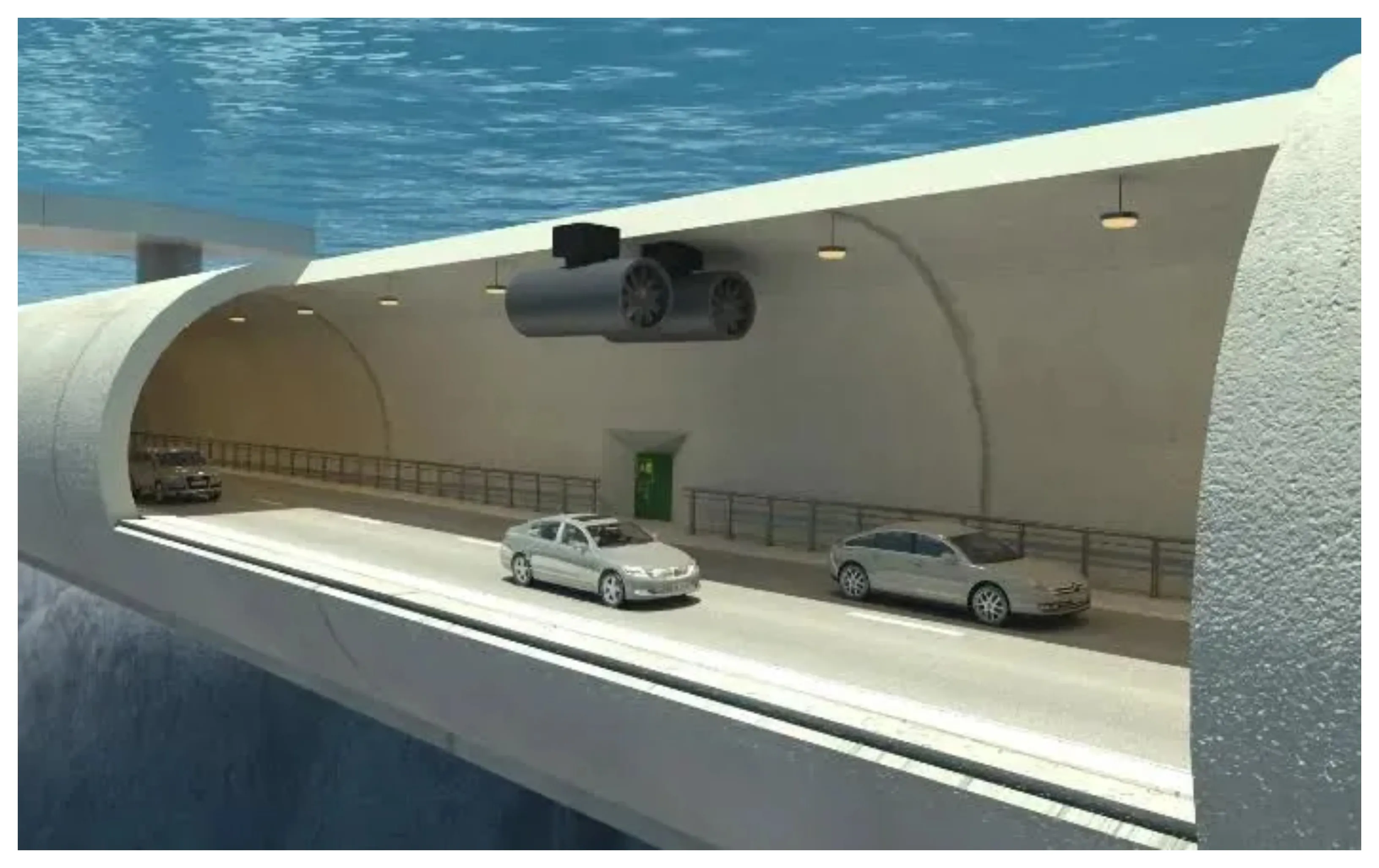

Africa and Europe are currently investigating two monumental subsea tunnel projects that could potentially reshape trade routes, with estimated costs ranging from €800 million to a staggering €20 billion. These initiatives emerge amidst growing concerns over the vulnerabilities of global shipping corridors, prompting a concerted effort to diversify trade avenues and secure alternative routes. One of the most notable proposals is an underwater highway designed to connect Morocco and Portugal, which has garnered heightened interest as African nations actively seek to establish more resilient trading infrastructures.
The proposed tunnel, which is projected to exceed €800 million in costs, aims to forge a direct link between North Africa and Southern Europe through a strategic underwater passage. This project is envisioned as a 'proximity corridor' that spans the Atlantic, fundamentally altering the logistics landscape for trade between the two regions. While initial reports from the Portuguese publication OkDiario and Morocco World News have surfaced, formal confirmation from government authorities remains elusive, leaving some details about the project shrouded in uncertainty.
According to the available reports, the proposed corridor would seamlessly connect Morocco’s extensive road network north of Tangier with Portugal’s Algarve and the A22 motorway. This integration is expected to be bolstered by supporting land logistics infrastructure and ancillary maritime connections. Engineers engaged in the early planning phases have characterized this endeavor as a significant leap in infrastructural development that could redefine territorial understanding and enhance trade efficiency.
The project is designed to be modular, facilitating phased construction that minimizes disruption to regional traffic flows. A joint consortium is anticipated to oversee the project, ensuring that all phases adhere to unified standards concerning safety, interoperability, and environmental sustainability. The proposed design features a dual-bore tunnel, which would include separate lanes for each direction as well as a technical emergency corridor. Furthermore, sophisticated ventilation systems are planned to employ a combination of longitudinal extraction techniques and pressurized control points, along with emergency shelters and advanced safety mechanisms.
As the technical plans advance, they include innovative methods such as prefabricated submerged sections and the utilization of tunnel-boring machines specifically adapted to address seabed pressures and geological conditions. Experts involved in the project have emphasized that this undertaking is grounded in complex engineering principles, ensuring high safety margins, thus dispelling any notions of it being merely a concept of science fiction.
Nevertheless, several critical aspects of the proposal are still awaiting verification. A major Moroccan news outlet has reported challenges in independently confirming these details, having reached out to the Portuguese government for further clarification without receiving a response to date. Additionally, the ultimate financial implications of the project are expected to fluctuate based on seismic risk assessments and the geological characteristics of the seabed.
The renewed interest in the Morocco-Portugal corridor coincides with a broader initiative by Africa and Europe to explore new infrastructural developments aimed at mitigating dependency on precarious global chokepoints. In parallel, a separate subsea rail tunnel project linking Morocco and Spain, which has been under consideration for some time, is also regaining traction. This ambitious venture, estimated to cost between €15 billion and €20 billion, would span approximately 42 kilometers, including around 27 kilometers underwater, connecting Punta Paloma in Spain to Cape Malabata near Tangier. The Spanish investment alone is anticipated to exceed €8.5 billion.
This rail tunnel is designed to accommodate both passenger and freight transport, potentially reducing travel time between the continents to about 30 minutes and significantly altering trade dynamics in the region. Collectively, these projects highlight a pivotal shift in Africa’s trade strategy as governments and investors endeavor to create more robust and diversified transport corridors in response to the ongoing challenges posed by critical maritime routes, including the Strait of Hormuz.
As reported by africa.businessinsider.com.