
Life and Religion in Morocco: A Unique Cultural Landscape
During a recent journey to Morocco, my husband and I found ourselves enjoying lunch at an outdoor restaurant in the picturesque town of Chefchaouen, where we were frequently interrupted by the presence of stray cats attempting to join us at our table. My husband, aware of my feline allergies, took on the task of shooing them away, but the challenge persisted throughout our meal. Observing a couple across from us, we noted three cats comfortably perched on their table, sniffing at various dishes, a common sight in Morocco, where stray cats are plentiful.
The abundance of these cats is rooted deeply in religious beliefs. In Islamic tradition, it is said that the Prophet Muhammad had a profound love for cats, and according to the Hadith—a revered collection of sayings and actions of the Prophet—it is considered a grave sin to harm or kill them. Such mistreatment could lead to severe consequences in the afterlife, as cats are regarded as blessings from Allah. This reverence for cats is just one manifestation of how religion imbues daily life in Morocco.
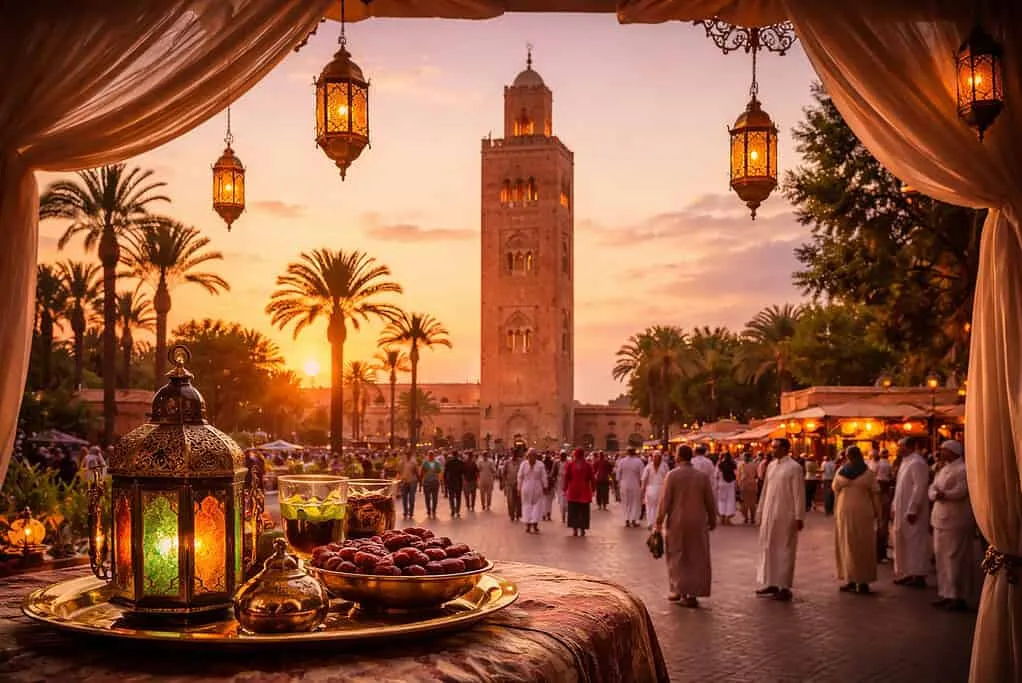
Our experience in Morocco coincided with Ramadan, a period of fasting and spiritual reflection observed by Muslims. Throughout this month, alcohol sales cease entirely, and many establishments close their doors to honor the holy holiday, which spanned from February 18th to March 20th this year. Government services and banks also adjusted their hours to accommodate the observance. Visiting a grand mosque in Casablanca, we learned that it would host around 80,000 worshippers daily during Ramadan, a testament to the significance of this time.
Ramadan: A Time of Reflection and Charity
Fasting from dawn until dusk is a fundamental practice during Ramadan, and our tour guide, a devout Muslim, faced the challenge of maintaining her fast while leading us through various excursions. Despite her fatigue and hunger, she expressed that her fast brought her closer to God, highlighting the personal sacrifices made during this sacred time. In Morocco, the month is also marked by a shift in attire; women often adopt more conservative dress, and visitors are encouraged to respect this cultural norm.
Charitable giving reaches its peak during Ramadan, with King Mohammed VI spearheading an extensive campaign to distribute essential food items such as flour, sugar, and rice to those in need. His royal guards also offer free meals at sunset to assist people in breaking their fast. This spirit of giving is palpable, reflecting the broader implications of Islam on Moroccan society, including its influence on education, healthcare, and governance.
As I reflect on my experiences in Morocco, I find parallels with ongoing discussions in Canada regarding the intersection of religion and societal norms. Debates over the removal of exemptions for religious speech from hate crime legislation and the regulation of religious symbols in public service highlight tensions surrounding faith and its role in public life. Witnessing a country where religion serves as the bedrock of culture, law, and daily practices offers a striking contrast to these debates back home, prompting deep contemplation on the varied ways in which faith shapes our lives.
As reported by thecarillon.com.