

Understanding the Cultural Settlement in Morocco
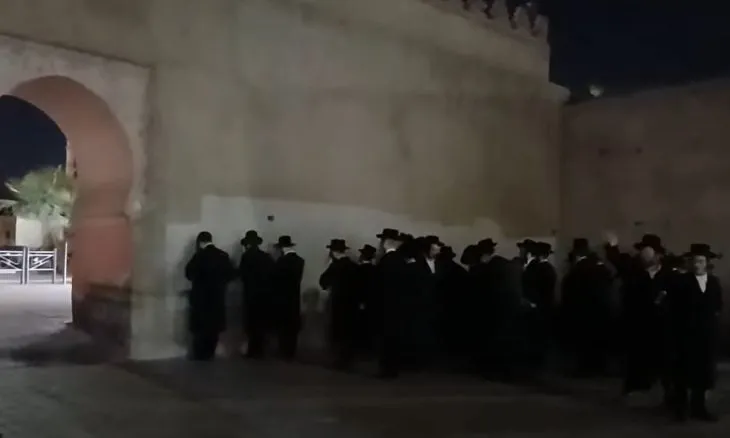
The recent performances of Jewish groups engaging in Talmudic rituals in the heart of Marrakesh's historical Bab Doukkala square have sparked significant debate across political and human rights circles in Morocco. This event, which many perceive as the onset of a new era of normalization with the Israeli entity, raises critical questions regarding Morocco's relationship with Israel and the extent of the Zionist strategy's infiltration into the cultural and geographical fabric of the nation. The sight of these rituals has elicited widespread outrage among anti-normalization advocates, who argue that it symbolizes a deeper, systemic issue concerning Morocco's diplomatic ties with Israel.
A Warning from the Moroccan Observatory Against Normalization
Following the viral spread of video footage depicting these Talmudic rituals, Ahmed Wehiman, the head of the Moroccan Observatory Against Normalization, provided a stark warning in an interview with the Moroccan media outlet "Badil." He emphasized that the prayer scene at Bab Doukkala is not merely an isolated religious event but rather a rehearsal for a broader settlement agenda. Wehiman pointed out that the Zionist strategy is systematically designed to create a false sanctity around specific locations through rituals akin to those seen in the Moroccan Quarter of occupied Jerusalem, which was subsequently demolished and transformed into a "Wailing Wall" area. He cautioned that what is happening in Marrakesh today fits into a broader agenda of fabricating "sacred land," where Talmudic narratives are employed to link Moroccan geography to the myths of "Little Jerusalem" in southern Morocco, particularly in the Ifrane region, ultimately paving the way for a new settlement reality under the guise of cultural and religious engagement.
Wehiman further substantiated his claims by presenting documents and publications, including a special issue titled "Morocco, the Sacred Kingdom of the Children of Israel," indicating persistent efforts to infiltrate the state's structures and public consciousness. He criticized the audacity of certain individuals advocating for the renaming of streets that honor national figures and Moroccan resistance fighters to names associated with Zionist personalities or soldiers in the occupying army, viewing these actions as attempts to erase national identity and distort collective memory.
Moreover, the deputy representative of the Sahrawi Republic to Ethiopia and the African Union, analyst and diplomat Maâlainin Lakhal, reinforced these sentiments in remarks to "Al-Ayyam News." He argued that the footage from Marrakesh cannot be viewed in isolation but must be understood within a broader political context marked by a long history of complicity between Morocco and the Israeli entity, describing both as "twin rogue systems" in nearly all aspects. What is being presented as a cultural or religious expression is, in truth, part of a normalization process that transcends symbolism and delves into strategic realms, deepening Morocco's official entanglement—in action more than words—in the crimes against humanity and genocide faced by the Palestinian people.
Lakhal elaborated on the historical undercurrents of this normalization trajectory, noting various indications in political and media literature pointing to undisclosed communication channels between Rabat and the Israeli entity dating back to the 1960s, particularly during King Hassan II's reign. Among the most controversial issues cited were reports of intelligence cooperation, including Moroccan authorities allegedly allowing Mossad access to discussions during the Arab summits preceding the 1967 defeat and collaboration with the Moroccan intelligence to assassinate Moroccan leader Mehdi Ben Barka. These narratives substantiate the argument that the complicity between the two systems is both structural and historical, continuing to this day.
As reported by elayem.news.

