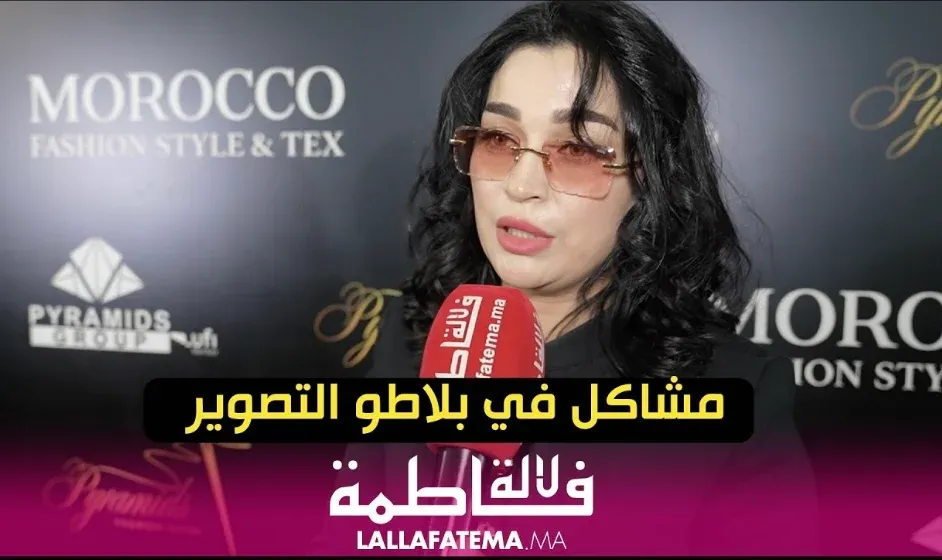
Emotional Depth in Acting: Farah Al-Fassi's Reflection on Sana's Impact
When asked about the moment she realized her character Sana transcended the screen, Farah Al-Fassi's eyes reveal the answer before her words do. The overwhelming messages from an audience that remained engaged even after the series concluded spoke volumes to her. Farah expresses a rare honesty in an industry often marked by pretense, stating, "We all cried, and personally, I never expected this role to touch people's hearts in such a profound way." Sana was not merely a dramatic character; she represented a woman whom the audience embraced and offered their emotions without reservation. Farah understands that this unique type of success cannot be manufactured in casting rooms; it emerges in those authentic moments between an actress performing with her heart and a viewer watching with theirs.
Reflecting on the director, Safaa Baraka, Farah pauses to emphasize the importance of her humanity, stating, "She was a person before she became a director; she provided us with security and love first, then we focused on the technical aspects." In a field that often prioritizes the crushing of an actor before illuminating their talent, such sentiments are far from trivial.
Facing Reality with Grace: Challenges in the Industry
When discussing the series "Rahma 2," Farah does not resort to a diplomatic smile; she chooses her words carefully, unafraid to confront the controversies that arose following its airing. Addressing the issues surrounding the production and the script alterations, she calmly states, "There were genuine problems during filming, and the dramatic construction of some scenes did not meet the expected standards." Furthermore, she responds to critiques regarding her Syrian accent by viewing it through the lens of her character rather than a defensive posture: "The woman I portrayed is Moroccan pretending to be Syrian, and there’s a significant difference between an actress who can’t master an accent and a character who is pretending to do so." In a candid revelation, she concludes, "I am satisfied with my performance, and critics who understand this craft expressed their admiration. The rest, I leave to history."
As the conversation shifts to her personal life, Farah breaks the glamorous illusion often associated with artists. She speaks about her 27-year-old nephew who has battled diabetes, a silent struggle that ultimately affected his vision. With palpable concern in her voice, she shares, "Diabetes is a cruel disease, and he is only 27 years old." Doctors informed the family that his sight may never return, yet Farah refused to accept this verdict. Currently, she collaborates with Moroccan doctors who have restored something far more precious than any award: hope. Their goal is precise and ambitious—recover at least 50% of his lost vision. Through her platform, she sends a heartfelt message to the public: "Take care of your health, as this illness offers no warning signs."
Looking ahead, Farah Al-Fassi reveals an exciting array of upcoming projects, including a film co-produced between Qatar and Morocco, shot in both countries and marking a historic first for Qatari cinema, alongside a renowned cast from the Gulf region. Additionally, she is involved in another Moroccan film with artist Mohsen Basri and is set to feature in a comedic series with Ali Majboud. Farah embodies the duality of being both an artist and a compassionate individual, seamlessly blending these identities into her multifaceted career.
As reported by lallafatema.ma.