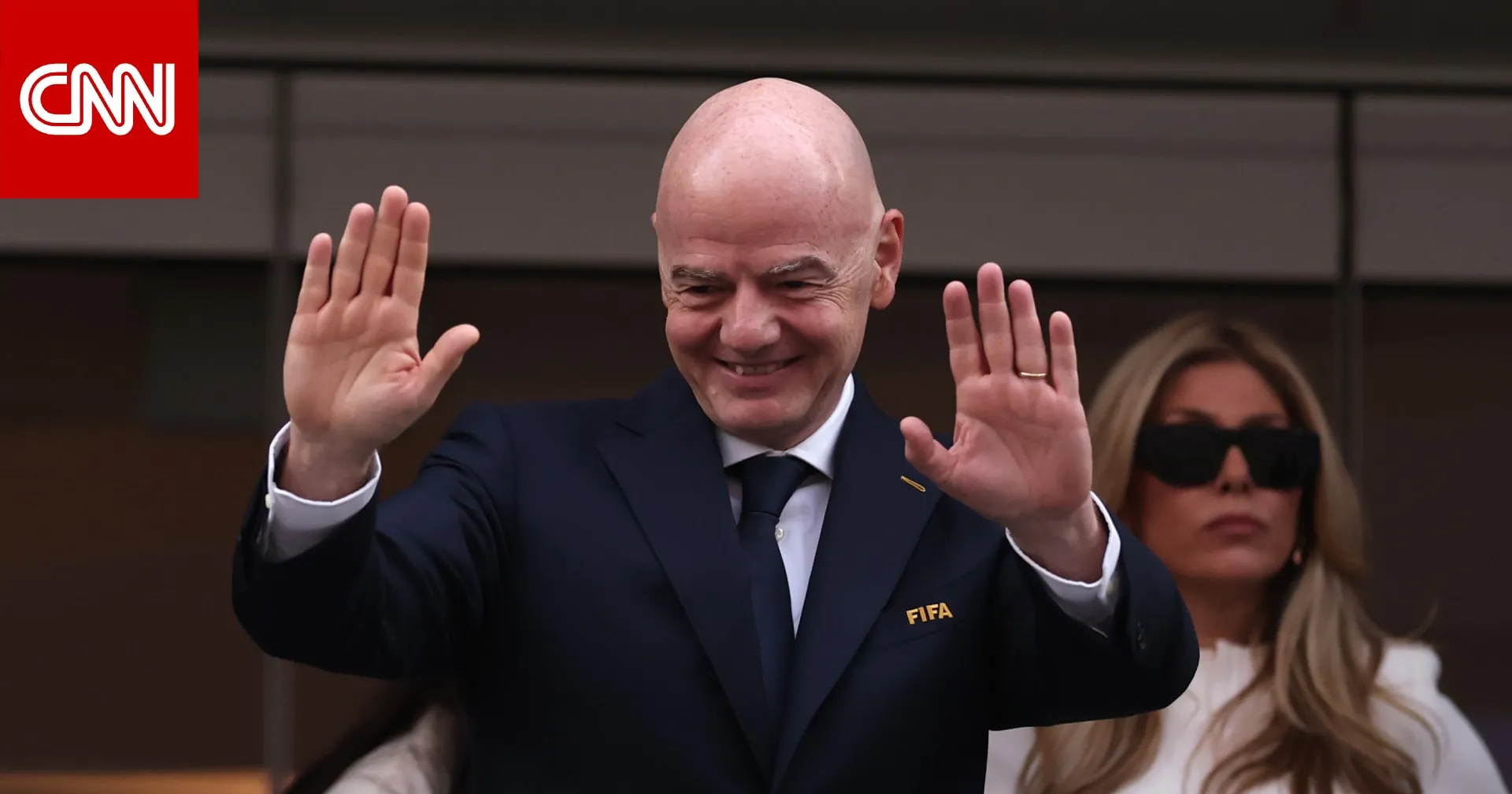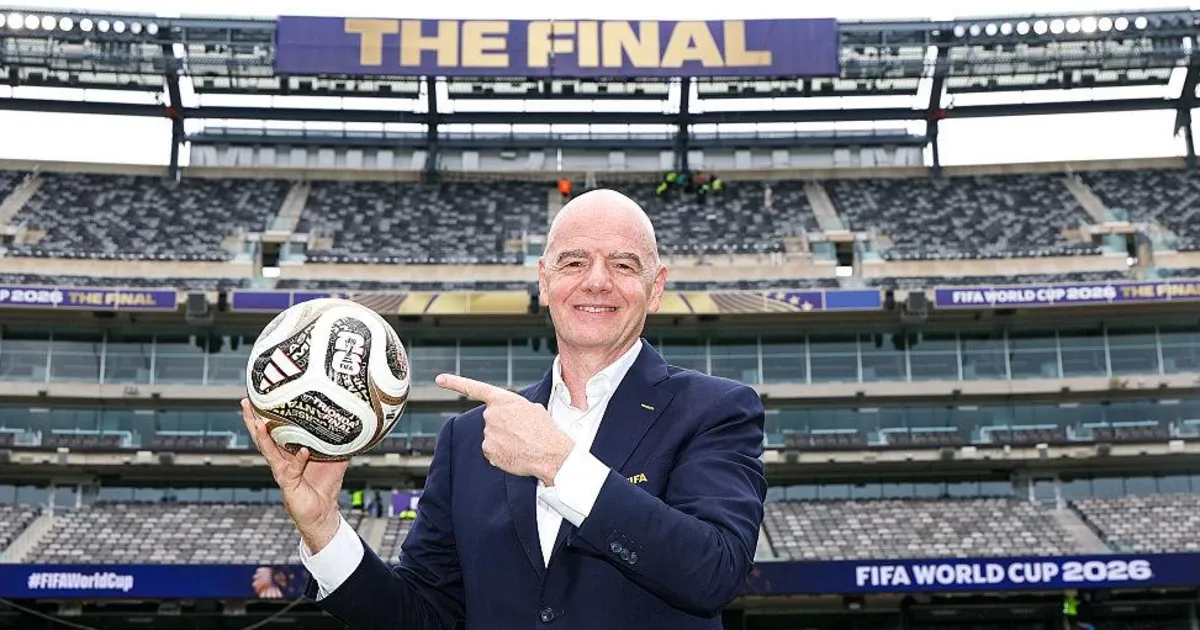
Just days before the conclusion of the **2026 World Cup** in **the United States, Mexico, and Canada**, FIFA President **Gianni Infantino** has confirmed that the current format of 48 teams may soon be a thing of the past. With an eye on the **2030 edition**, which will mark the centenary of the tournament and feature matches across **Spain, Portugal, Morocco, Uruguay, Argentina, and Paraguay**, Infantino has stated that an expansion to **64 nations** is not merely a possibility but an evolving plan.
Infantino envisions a World Cup where every nation has the opportunity to participate, not just those from Europe and South America. He argues that the competitive growth of lesser-known teams, particularly highlighted by the impressive performances of African teams in the current tournament, demonstrates that inclusivity is the right path forward.
This new plan suggests that the **2030 World Cup** could balloon to **128 matches**, posing significant logistical and economic challenges. From FIFA's perspective, this strategy is advantageous, promoting greater global inclusion, providing incentives for sports development in smaller nations, and consequently, generating substantial increases in television and commercial revenue.
However, this ambitious project has faced fierce resistance. A major point of contention is the already overwhelming schedule that teeters on the brink of what is humanly possible for footballers. One of the most vocal critics of this direction is **Jürgen Klopp**, the future German national team coach, who labeled the idea as 'unimaginable' back in September 2025. Klopp has repeatedly voiced concerns regarding player welfare, stating, “For the best in the world, there are no longer any breaks,” likening the situation to demanding a top artist perform every night until they collapse. He further cynically concluded that trying to halt this expansion through criticism is akin to “talking to my own microwave.”
This resistance highlights a deeply divided leadership. The proposal, which initially gained traction from **CONMEBOL** with the backing of Ignacio Alonso and Alejandro Domínguez, has immediately raised suspicions among other continental powers. Both UEFA President **Aleksander Čeferin** and CONCACAF President **Víctor Montagliani** have outright labeled the idea as 'bad.' The shared concern is that a tournament of such scale could dilute the trophy's prestige, diminish the value of qualification phases, and sacrifice technical quality in favor of quantity.
For the moment, **FIFA remains in the evaluation phase**. A definitive decision will not be made until the relevant committees assess the sporting, organizational, and economic feasibility following the conclusion of the 2026 event. What is certain is that the era of giant World Cups seems set to stay, regardless of the logistical nightmares this may create for coaching staffs.
As reported by telemundo.com.