Footgolf in Morocco: A Remarkable Journey to the World Cup
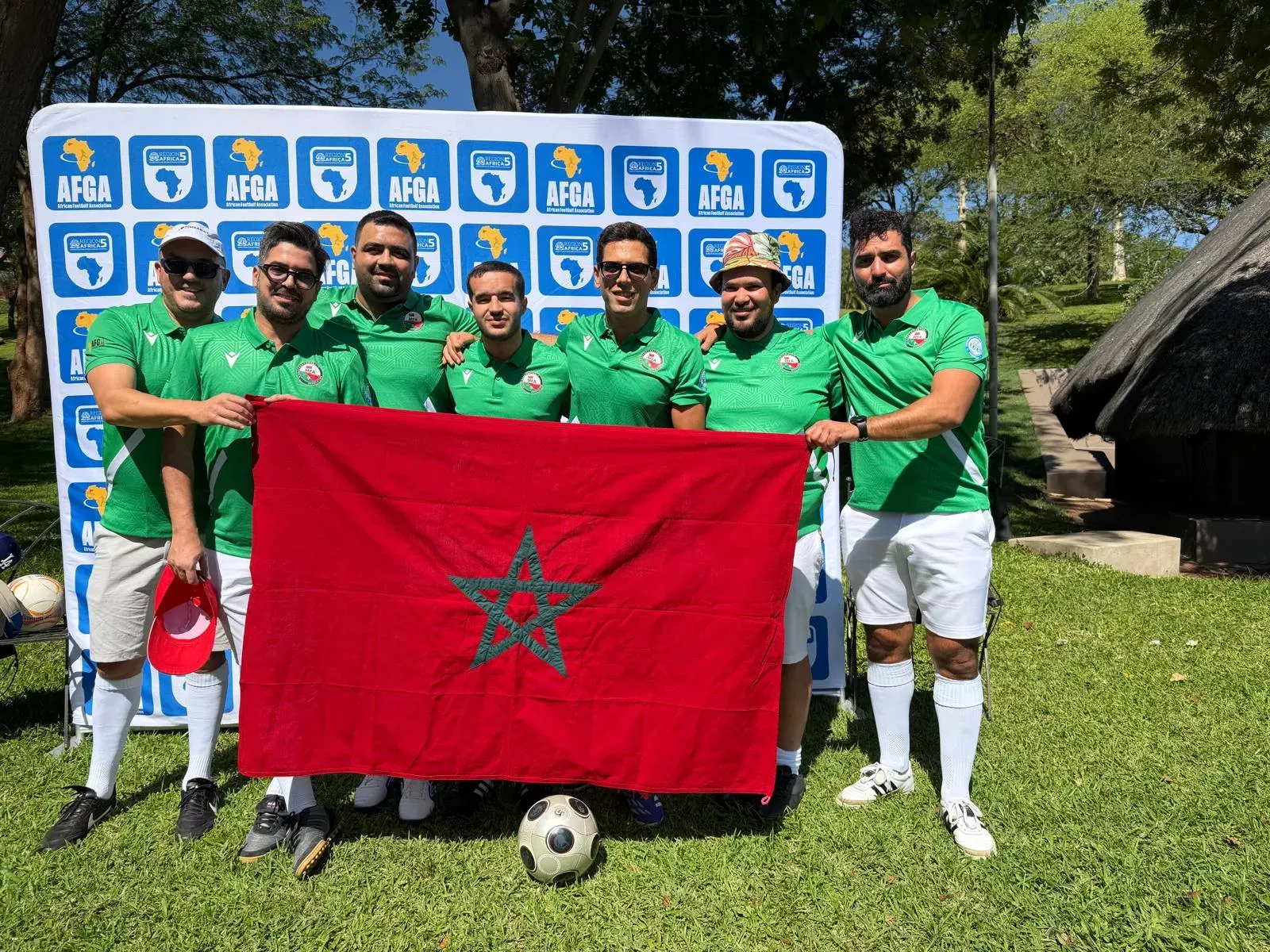
On April 20, 2026, an inspiring story unfolded as the Moroccan Footgolf Association shared the incredible journey of a nascent national team that, against all odds, secured a spot in the 2026 World Cup in Mexico. This moment marked a significant milestone for footgolf in Morocco, demonstrating that the sport has a promising future in the country and that this qualification is merely the first step in a grand adventure.
The journey began with seven Moroccans, who found themselves thousands of miles from home, somewhere between the majestic Victoria Falls in Zimbabwe and a dream that seemed nebulous at best. With no luggage and little more than determination, these individuals epitomized the spirit of resilience. Their adventure kicked off after extensive negotiations—akin to diplomatic discussions—between the Moroccan Footgolf Association and the FIFG (the international governing body for footgolf), resulting in a directive to qualify for the World Cup through competition in Zimbabwe. This unexpected location was a far cry from familiar places like Rabat or Johannesburg.
The objective was clear: participate in an African Cup alongside teams from South Africa, Zambia, and Zimbabwe, and ultimately vie for a playoff match against the formidable South African team. The victor would earn the honor of representing Africa at the World Cup. Despite their personal commitments and busy schedules, the seven Moroccans rallied together with a resounding "We are going!"
Upon arrival, however, they faced a daunting situation: tired and disoriented, they discovered their luggage had been lost somewhere along the way. Shoes, jerseys, and equipment were nowhere to be found, setting the stage for an adventure fraught with challenges. True to Moroccan spirit, they responded with smiles and resourcefulness, devising multiple plans, including sourcing sports equipment from a shopping center in Livingstone, Zambia. After hours of negotiation and camaraderie, their lost bags resurfaced just hours before the competition, marking their first victory in what would be a remarkable journey.
The rest of the story unfolded like a cinematic epic: training under the scorching sun, strategizing for matches against strong opponents from South Africa, Zimbabwe, and Kenya, and forging deeper bonds as a team. The qualification came down to the final day, where they triumphed against the South Africans, securing their place in the World Cup. This achievement was not merely about winning; it was a testament to their dedication and passion for footgolf.
Understanding Footgolf: A Fusion of Sports
So, what exactly is footgolf? At its core, it combines a soccer ball and a golf course, with the universal objective of getting the ball into the hole in as few kicks as possible. Emerging in the 2000s and gaining traction through the FIFG, this sport has rapidly expanded in popularity across Europe, Latin America, and Japan. Its appeal lies in its accessibility and the thrill it offers from the very first kick. Unlike traditional soccer or golf, one doesn’t need to have been a professional athlete to participate; a good touch, precision, and mental fortitude are the keys to success. However, beneath its seemingly straightforward nature, footgolf is a demanding sport that requires distance management, terrain analysis, and strategic thinking.
In Morocco, footgolf is still in its infancy, with just a few enthusiasts and an emerging association dedicated to its growth. The country has all the right elements—deep-rooted football culture, stunning golf courses, a climate conducive to year-round play, and a youth eager for new sporting experiences. However, the development of this nascent sport relies not only on passion but also on structured support, visibility, regular competitions, and financial resources. The Moroccan Footgolf Association, established shortly before their Zimbabwean adventure, is currently fueled by the energy and commitment of its members, many of whom reside in Europe. Moving forward, the association faces the challenge of building a robust ecosystem to support footgolf's growth in Morocco.
The qualification for the World Cup is neither an endpoint nor a mere spark; it serves as a signal of potential recognition and a testament that progress can be made even with limited resources. The next challenge is the World Cup in Mexico, where Morocco will compete against host nation Mexico, Portugal, and Turkey. This group presents a formidable challenge, yet Morocco enters with a shared history, a cohesive team spirit, and the ability to rise to critical moments. Participating in the World Cup transcends mere competition; it represents the country, showcases its image, and tells a story of resilience and aspiration.
Ultimately, the Moroccan footgolf community does not ask for much—just a little attention, support, and curiosity. As the Moroccan Footgolf Association aptly states, "In Zimbabwe, there were seven defending Morocco’s colors in footgolf; tomorrow, there could be seventy, seven hundred, or even seven thousand." This story is more than just a sports anecdote; it reflects the potential for growth and change in the world of Moroccan sports.
As reported by mobile.telquel.ma.