
Recent research conducted by climate and sustainable development experts highlights the alarming potential impacts of the "El Niño" phenomenon, as forecasted by the World Meteorological Organization, which is expected to intensify starting mid-2026. This climatic shift is anticipated to bring about significant changes in Morocco's weather patterns, amidst a global landscape characterized by accelerated climate change and increasingly severe weather events. Experts assert that these changes will likely result in a notable rise in temperatures across the region.
The geographical positioning of Morocco, coupled with its diverse climate influenced by both Mediterranean and desert conditions, renders it particularly vulnerable to these climate fluctuations. This susceptibility necessitates the enhancement of monitoring and preparedness mechanisms, alongside the formulation of adaptive policies to confront the potential environmental, economic, and social challenges posed by this phenomenon.
Necessary Reactions
Mustafa Benramel, a climate and sustainable development researcher, elaborated that the El Niño phenomenon is one of the most significant global climatic disturbances originating in the tropical Pacific Ocean. It has a direct impact on the distribution of heat and air currents worldwide, influencing weather patterns in various regions, including the Mediterranean Basin and North Africa. In these areas, significant changes in temperature and precipitation levels are expected.
Benramel further indicated that Morocco is among the regions most affected by these climatic alterations, predicting that the country will experience increasingly frequent and intense heatwaves that may exceed seasonal averages. Additionally, there will likely be erratic rainfall patterns characterized by prolonged droughts followed by sudden torrential rains. Such variability not only exacerbates climatic instability but also complicates accurate forecasting.
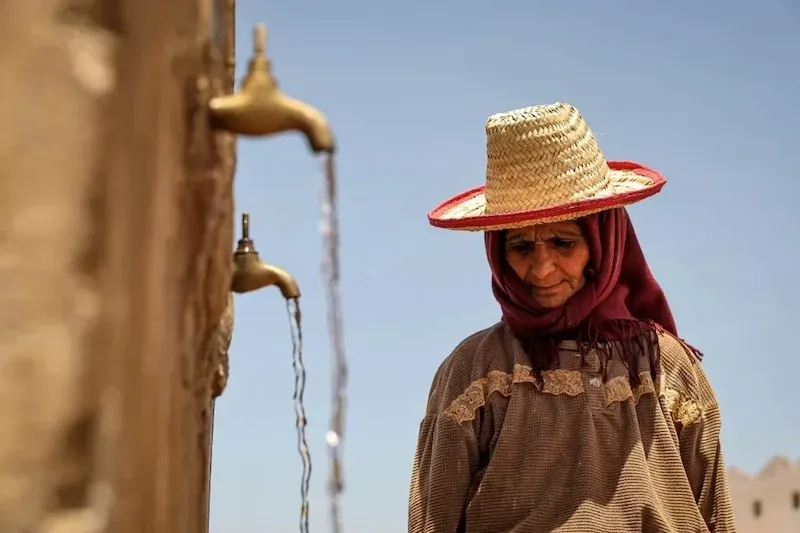
These extreme weather conditions will have direct repercussions on Morocco's water resources, which are already under significant strain. Experts predict a further decline in water reserves and an increase in evaporation rates, coupled with rising demand for water, particularly in the agricultural sector where the highest consumption of available resources occurs.
Benramel emphasized that the impacts of this phenomenon will extend beyond environmental concerns, affecting vital sectors such as agriculture and tourism, as well as economic activities reliant on water. This could lead to substantial economic losses and decreased productivity, particularly in rural areas that heavily depend on rainfall.
He concluded by stressing the need to expedite proactive measures, including enhancing water demand management policies, tightening monitoring of groundwater exploitation, expanding the use of treated water, investing in seawater desalination, and developing innovative solutions to ensure water security in light of anticipated ongoing climatic fluctuations in the coming years.
Persistent Predictions
Rachid Fassi, another researcher in climate and sustainable development, remarked that the predictions accompanying the El Niño phenomenon are expected to intensify extreme climatic events, both in terms of precipitation intensity and heatwave severity. He pointed out that the current climatic pattern is no longer stable as it once was, characterized instead by sharp and unpredictable fluctuations.
Fassi noted that winter rainfall has become irregular, sometimes manifesting as weak precipitation or, conversely, as torrential downpours that lead to flooding, similar to previous instances of significantly increased rainfall, especially in January and February. He also stated that summer is experiencing concerning changes, with significant temperature increases occurring even outside of the typical peak periods, suggesting a blurring of seasonal boundaries. The recording of record-high temperatures, as seen recently in Agadir, is part of this dynamic related to global climate changes.
The climate expert highlighted Morocco's geographic location, which exposes it to various climatic influences, combining arid desert characteristics with Mediterranean and tropical climates. This situation explains the emergence of diverse weather disturbances that may include severe heatwaves, harsh cold spells, or phenomena such as airborne dust from desert regions.
Fassi advocated for adaptation to these transformations by developing early warning systems and enhancing the readiness of regional and local committees, as well as intensifying awareness efforts through media channels. He underscored that these phenomena, including heatwaves and floods, could have severe consequences on human lives, as evidenced in many countries worldwide.
As reported by hespress.com.