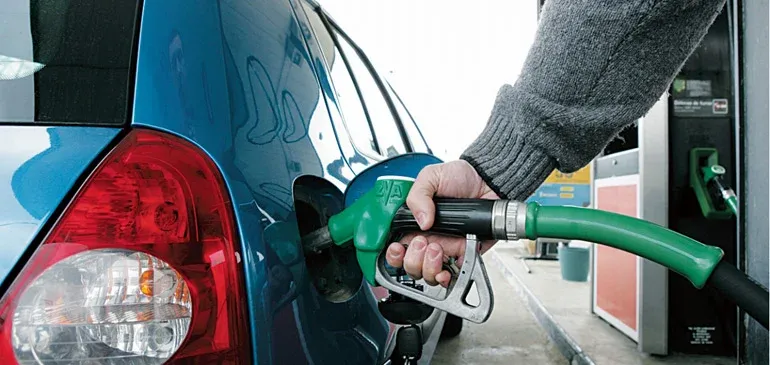
In Morocco, significant increases in fuel prices have commenced, causing widespread concern among citizens and prompting a rush to gas stations as individuals seek to fill their tanks before the new rates take effect. This price hike, which amounts to approximately two dirhams for diesel and one and a half dirhams for gasoline, has been met with a mix of reactions, including frustration and demands for regulatory action from consumer protection associations. Reports indicate that some gas stations have even closed their doors, claiming they have run out of stock, in a bid to avoid implementing the new tariffs until midnight.
As the situation unfolded, many citizens flocked to gas stations in anticipation of the price increases, reflecting a palpable sense of urgency and anxiety. Interestingly, while some stations delayed the application of the new prices, others chose to raise them ahead of schedule, leading to public outcry. Videos circulating on social media capture the frustration of many, who are now calling on the government to step in and address the issue. Mohamed Benkaddour, president of the National Federation of Consumer Protection Associations, criticized what he termed the "unethical practices" of certain gas stations, highlighting that while the price hikes were expected, the premature implementation by some was unacceptable.
Benkaddour noted that those stations that pledged not to increase prices until midnight saw a significant influx of vehicles, while others claimed to have run out of stock as a tactic to justify their price adjustments. He emphasized that this increase could have been avoided, as Moroccan law stipulates that strategic reserves should cover fuel needs for two months. He added that the fuel currently being sold at market prices was purchased prior to the escalation of conflict in the Middle East, raising questions about the fairness of the price hikes.
Additionally, the Moroccan League for Citizenship and Human Rights expressed deep concerns regarding the recent spike in fuel prices. In a public statement, they condemned what they described as "shocking and unjustified developments" during a period of economic and social sensitivity. The League argued that these price increases significantly affect citizens' purchasing power, particularly when wages remain below the rapidly rising cost of living. They have called for an urgent and transparent investigation into the real profits of fuel companies in Morocco and their pricing margins.
The League is advocating for a thorough review of the fuel price liberalization policy, which they believe has shown its limitations in consumer protection. They suggested reactivating the subsidy system or implementing support mechanisms to stabilize prices and alleviate the financial burden on citizens. Furthermore, the organization urged the government to take swift action to regulate the fuel market and curb the influence of energy lobbies. Benkaddour reiterated to Yabiladi that government intervention is essential in these exceptional circumstances, stating that "these conditions should not be exploited to burden citizens' wallets; it is not too late for the state to step in."
Since the liberalization of fuel prices in Morocco on January 1, 2015, the government has removed subsidies for diesel, gasoline, and fuel, leaving prices subject to fluctuations in the international market and competition among companies. Retail prices are updated on the first and sixteenth of each month by operating companies in the sector. However, law No. 104.12 regarding price freedom and competition allows the state to intervene exceptionally. Article 4 of the law states that "the provisions of articles 2 and 3 shall not prevent the administration, after consulting the Competition Council, from taking temporary measures against excessive price increases or decreases justified by exceptional circumstances, a general calamity, or a manifestly abnormal situation in a particular market sector." The duration of these measures is limited to six months, renewable once by the administration.
As reported by es.yabiladi.com.