Impact of Middle Eastern Conflicts on Morocco's Military Strategy
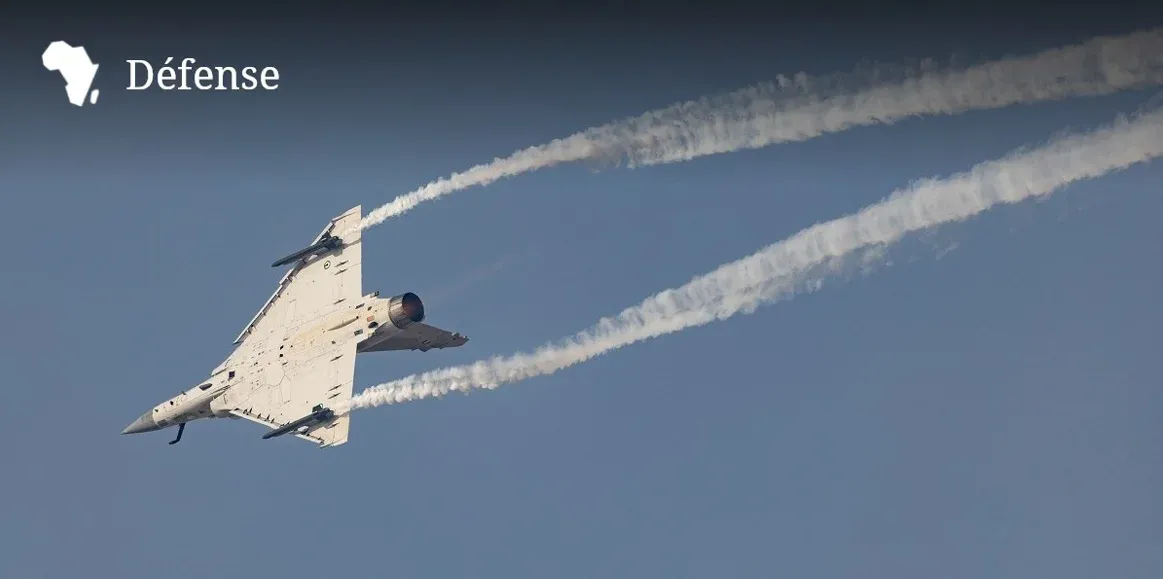
The recent developments in the conflict in the Middle East, particularly marked by the military offensive led by the United States and Israel against Iran, are having far-reaching effects that extend well beyond the region. One significant repercussion is seen in the strategic balance within the Maghreb: Morocco's military reinforcement plans are facing delays yet again. According to reports from the specialized outlet Africa Intelligence, Morocco's acquisition of 30 Mirage 2000-9 fighter jets from the United Arab Emirates, which had been authorized by France since 2024, is still not materializing due to the ongoing instability in the Gulf region.
The reasons for this delay are quite direct. The escalation of tensions in the area has compelled the UAE to keep its air capabilities on heightened alert, making it impossible to transfer these aircraft in the short term. Even after a recent temporary ceasefire, airbases continue to operate defensively, indicating a sustained state of readiness. This delay holds implications that extend well beyond a mere procurement operation. Morocco has been striving for years to bolster its air capacity in a context characterized by regional competition with Algeria and the persistent conflict over Western Sahara.
Regional Competition and Military Modernization
Simultaneously, Algeria has begun to incorporate new, more advanced combat systems, which heightens the pressure on Rabat to modernize its military aviation. The situation is further complicated by the postponement of the delivery of F-16 Block 70/72 jets purchased from the United States, placing Morocco in a more prolonged transitional phase than initially anticipated. This scenario underscores a critical element that often goes unnoticed: the Western Sahara conflict does not unfold in isolation but is influenced by broader geopolitical dynamics. Tensions in the Middle East, the decisions made by international allies, and regional balances directly affect the capabilities of the involved actors.
In this context, the delay in receiving the Mirage jets is not merely a technical or logistical issue; it serves as yet another illustration of how global conflicts shape the evolution of seemingly peripheral scenarios, such as that of Western Sahara, where the balance of power remains a decisive factor.
As reported by noteolvidesdelsaharaoccidental.org.