Zero Cost Conundrum: Understanding the Bureaucracy Costs of Germany's Development Ministry
The German government has officially reported that the bureaucracy costs attributed to the Federal Ministry for Economic Cooperation and Development (BMZ) are set at a striking zero euros, effectively exempting the ministry from the reduction targets outlined in the coalition agreement. This revelation came to light on July 17, 2026, as part of a response to a minor inquiry from the Alternative for Germany (AfD) party. It is crucial to note that this zero-cost designation pertains solely to burdens imposed by the ministry's laws on businesses, citizens, or governmental bodies. Meanwhile, the BMZ has expressed intentions to streamline its own processes, reduce bureaucratic hurdles, and simplify procedures.
The coalition parties—CDU, CSU, and SPD—have set an ambitious goal to reduce the bureaucracy costs faced by the German economy by 25 percent, which translates to approximately 16 billion euros. This initiative aims to decrease the so-called fulfillment costs for companies, citizens, and administration by an additional ten billion euros. However, according to the government, the BMZ’s annual fulfillment costs and bureaucracy expenses, based on calculations from the Federal Statistical Office, are already recorded as zero euros.
This declaration stems from a narrow official interpretation of what constitutes bureaucracy costs. It accounts only for the effort generated by legal requirements from the ministry that extend beyond its jurisdiction. These include obligations for information, applications, certifications, or documentation that entities must fulfill due to new legislative measures. However, the BMZ rarely enacts its own laws imposing such requirements. Instead, its regulatory framework mainly revolves around contract laws that facilitate Germany's ratification of international agreements. As a result, the statistical data reflects no measurable burdens, thereby categorizing the costs as zero euros.
Importantly, stating zero euros does not imply that the Development Ministry operates without administrative costs or that its programs are devoid of complex procedures. The figure does not reflect the amount of staff time and resources dedicated to internal coordination, funding decisions, procurement processes, project evaluations, or reporting obligations.
The AfD’s inquiry aimed to scrutinize the operational methodologies of the ministry in a broader context, raising questions about which reporting obligations have been abolished, which administrative processes have been digitized, and what redundancies have been reduced. Additional inquiries focused on processing times, personnel expenditures, documentation requirements, and process costs. The collaboration between the BMZ and organizations such as the Deutsche Gesellschaft für Internationale Zusammenarbeit (GIZ) and KfW, as well as potential new data and reporting systems, were also highlighted.
The government provided joint answers to the initial 14 questions but refrained from offering specific figures regarding saved labor hours, reduced procedures, or decreased administrative costs. Moreover, there was a conspicuous absence of information detailing which reporting requirements or redundancies have been eliminated since the beginning of the legislative term.
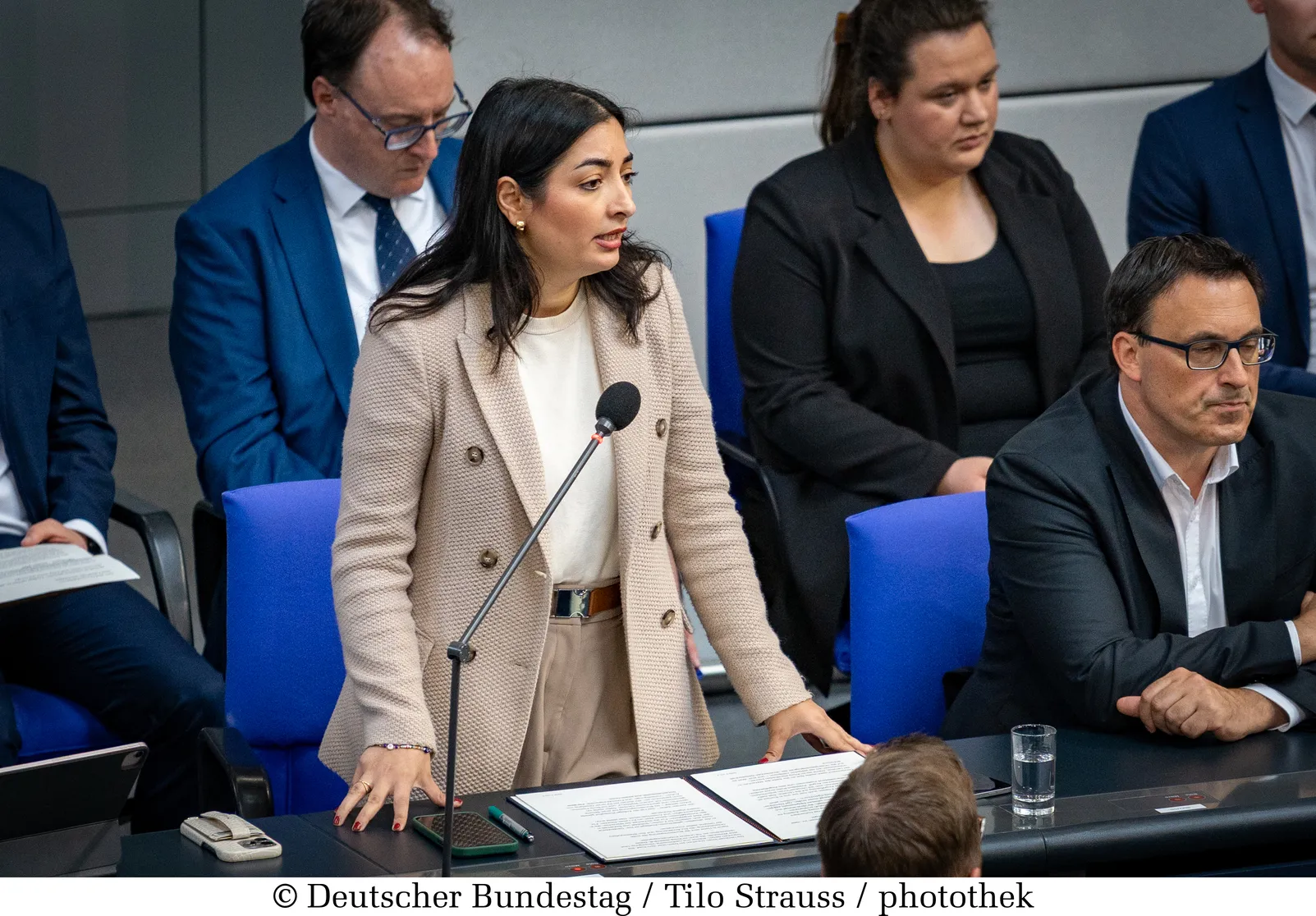
Simultaneously, the BMZ has outlined a substantial need for modernization in its reform plan titled “Shaping the Future Together Globally.” This plan emphasizes the comprehensive overhaul of procedures, tools, and processes, with explicit goals of achieving greater efficiency, reduced bureaucracy, and simplified regulations. A new governance model is also proposed, aiming for clearer political directives, streamlined strategies, and enhanced monitoring. Federal Development Minister Reem Alabali Radovan initiated this reform process shortly after assuming office.
The government also points to the action plan “Strong Partnerships for a Successful Global Economy,” which seeks to closely integrate the tools of development cooperation and foreign trade promotion in collaboration with the Federal Ministry of Economics.
However, the apparent contradiction arises from two distinct interpretations of the term
As reported by fokus-afrika.de.