
Infantino's Unopposed Re-Election and Financial Promises
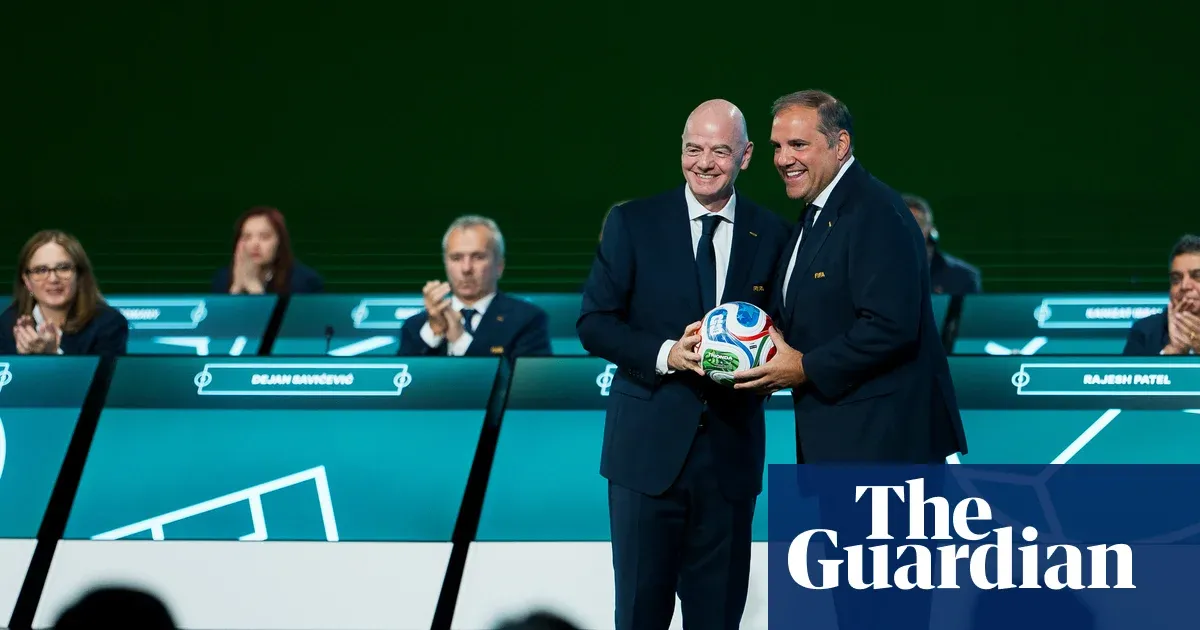
At the recent FIFA Congress in Vancouver, Gianni Infantino's announcement of his intention to seek re-election next year came as no surprise to those familiar with the inner workings of football's governing body. Infantino's candidacy has been widely anticipated since the modification of FIFA's statutes allowed for such a move, following his initial victory in 2023 where he benefitted from a ruling that excluded the first 39 months of his term from the three-term limit established after he succeeded Sepp Blatter in 2016. This means that Infantino's re-election is expected to be more of a coronation than a contested election, as he has already secured the endorsements of confederations from Africa, Asia, and South America, giving him a substantial advantage with 111 out of 211 votes already in his favor. The atmosphere during the congress reflected a lack of opposition to his continued leadership, with no challengers emerging to contest his reign.
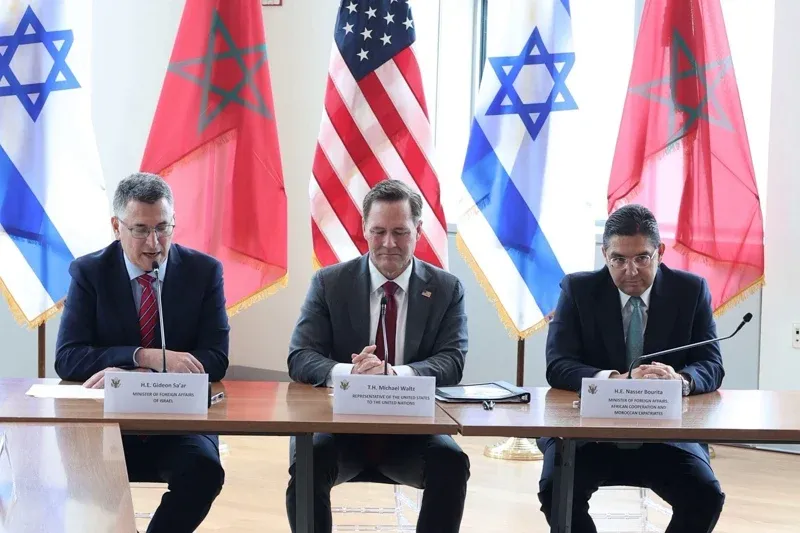
In his speech, Infantino touted FIFA’s projected revenues for the 2027-2030 cycle, which have increased to $14 billion, pledging to enhance financial distributions to federations by 20% over the next four years, amounting to at least $2.7 billion. This assertion that 'FIFA's money is your money' resonated well with the audience, further solidifying his grip on power amidst criticism that his claims about FIFA's essential role in global football are overstated. While Infantino's alliances with powerful leaders like Vladimir Putin and Mohammed bin Salman have bolstered his influence, his attempts to mediate between Palestinian and Israeli football officials at the congress were met with failure, highlighting a significant misstep in his diplomatic efforts.
FIFA's Evolving Role and Future Challenges
The congress also revealed FIFA's expanding scope, with announcements about new regulations, including strict penalties for players covering their mouths during conversations or leaving the pitch. Additionally, a surprise proposal emerged for clubs to field one homegrown under-21 player at all times, which sparked controversy and potential legal challenges from clubs concerned about its feasibility. The landscape of FIFA's governance is shifting, as it ventures into areas previously deemed outside its jurisdiction, such as player regulations and international match scheduling, which adds layers of complexity to its operations.
While the next Africa Cup of Nations is set for 2027, discussions regarding the international match calendar beyond 2030 remain unresolved, especially concerning the controversial timing of the 2034 World Cup in Saudi Arabia. The upcoming Club World Cup is also under scrutiny, as FIFA aims to boost revenues beyond the projected $14 billion through expansion and new preliminary tournaments. Infantino's reluctance to engage in these discussions prior to the next election indicates a strategic delay in addressing the concerns of European clubs, which were notably sidelined during this congress. The upcoming congress in Morocco is set to further underscore FIFA's shifting power dynamics, as Europe finds itself increasingly marginalized in the organization's decision-making processes.
As reported by theguardian.com.