
Government's Commitment to CNP Reorganization
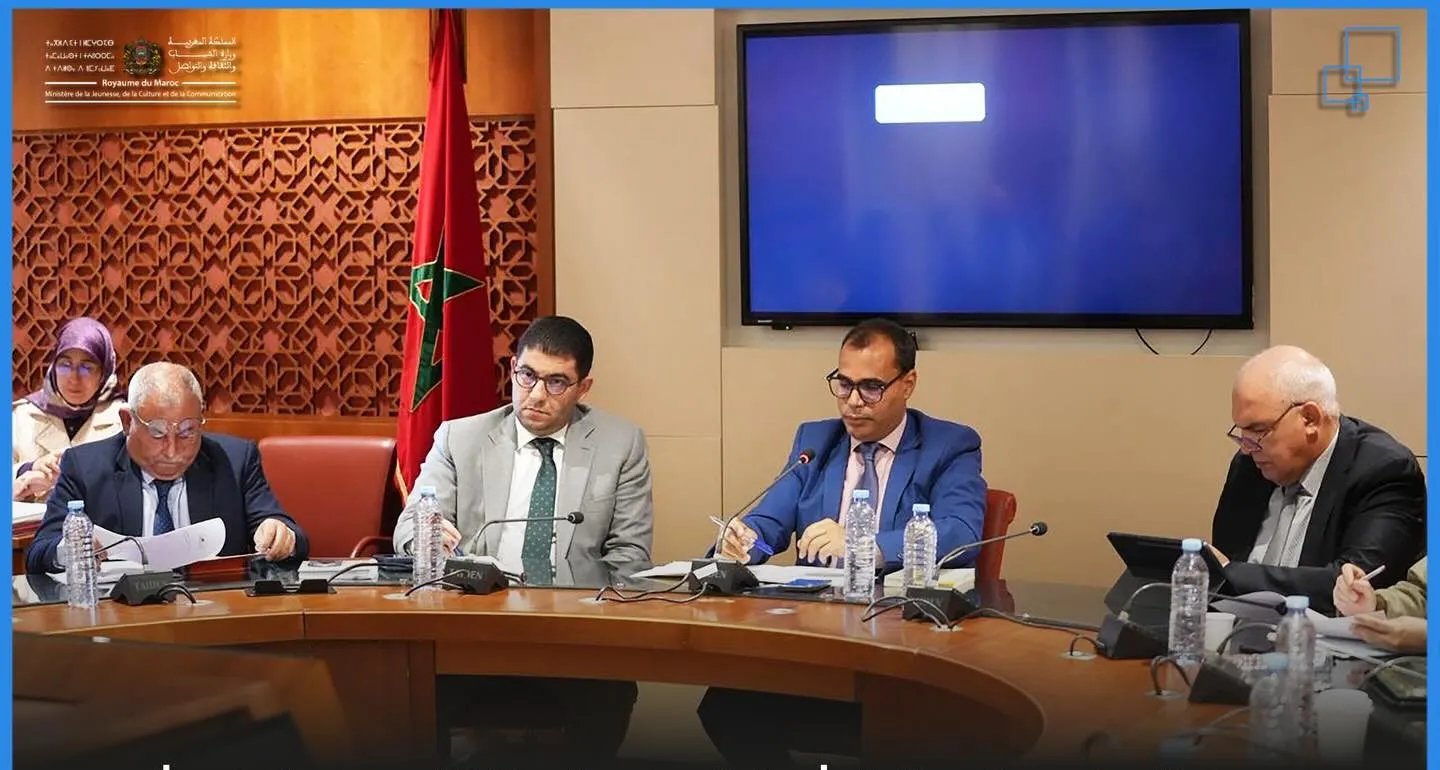
The Moroccan government has actively engaged with the Constitutional Court's observations regarding the reorganization of the National Press Council (CNP), as stated by Minister of Youth, Culture, and Communication, Mr. Mohamed Mehdi Bensaid, during a meeting in Rabat. This dialogue emphasizes a democratic process that strengthens institutional trust and reinforces constitutional supremacy. Mr. Bensaid emphasized that the ongoing reform does not pose any significant issues, reinforcing the government’s commitment to adhering to constitutional principles.
This meeting was dedicated to a comprehensive review of the proposed legislation concerning the CNP, aligning with the Court’s decision No. 261/26, which necessitated revisions to several regulatory mechanisms and the Council's composition. The Minister highlighted that the previous proposal was developed through extensive consultations with various stakeholders, and the new draft has been amended at both substantive and formal levels to ensure better compliance with constitutional mandates.
Objectives and Implications of the Reform
The primary aim of this reform is to ensure the continuity of the CNP's operations while addressing the operational challenges encountered in previous experiences, particularly those related to support management and the day-to-day functioning of journalists. As the media landscape evolves, particularly with economic shifts in press enterprises, it is crucial to adapt to these changes effectively. Mr. Bensaid also stressed the importance of distinguishing between the media entity and the journalist, emphasizing that the latter must be guaranteed decent living conditions.
The proposed changes include reducing the number of representatives from the category of publishers from nine to seven, thereby addressing certain representation imbalances. Furthermore, the responsibility for appointing members of the oversight committee would be transferred to the government’s presidency to ensure impartiality, thereby removing potential biases that could arise from debates between the ruling majority and the opposition.
In response to the Constitutional Court's decision, the majority groups in the House of Representatives welcomed this development as a significant democratic stride towards upholding constitutional principles. They asserted that the government and Parliament’s adherence to the Court's recommendations is not merely procedural but a testament to the rule of law, ensuring that media regulations align with constitutional values.
The majority groups also praised the provisions in the draft law that aim to enhance the CNP's efficiency and clarify its roles and operational mechanisms, which are vital for adapting to the rapidly changing media environment, particularly in the context of digital transformation. They highlighted this initiative as a clear intention to strengthen self-regulation within the profession and affirm the independence of its institutions, as envisioned by the Constitution.
Moreover, this legislative proposal is seen as a crucial regulatory framework that establishes clear guidelines for accessing the profession and defines the criteria for professional journalists, thereby striking a balance between freedom and responsibility—a balance emphasized by the Constitutional Court. The Court has acknowledged that granting the CNP the authority to establish a press ethics charter is constitutionally valid, provided it safeguards citizens' rights to free, impartial, and responsible information.
On the other hand, opposition groups critiqued the new draft as still lacking effective provisions for genuine self-regulation of the press, as recognized in best practices globally. They noted that even though the proposal rectifies the numerical imbalance in representation between journalists and publishers, the introduction of a 10% representation threshold for publishers might inadvertently stifle pluralism or perpetuate indirect dominance of certain groups within the Council. This mechanism has been criticized as contrary to principles of pluralism and proportional representation, suggesting a potential circumvention of the Constitutional Court's directives.
As reported by mjcc.gov.ma.