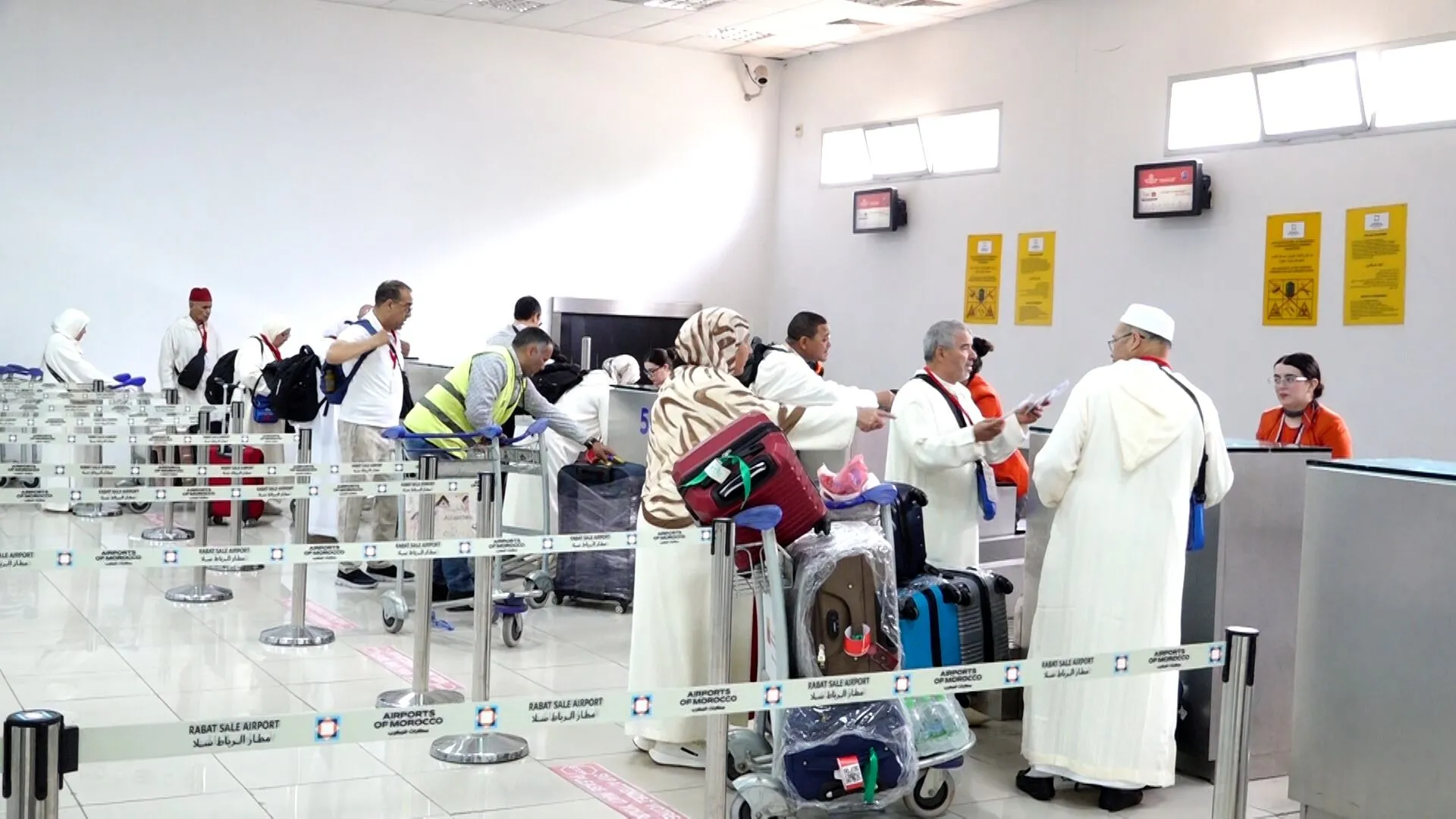

Hajj 2026 Begins: A New Era for Moroccan Pilgrims
On May 4, 2026, the inaugural group of Moroccan pilgrims embarked on their journey from Rabat-Salé Airport to the holy sites of Islam, marking the official start of the Hajj 2026 season. This significant event was preceded by the reading of a royal message addressed to the pilgrims and the introduction of the comprehensive 'Route to Mecca' initiative, designed to streamline the administrative, health, and logistical processes for the faithful. With nearly 17,000 Moroccan pilgrims expected to benefit from this initiative, the preparations reflect a robust organizational framework aimed at enhancing the overall pilgrimage experience.
Prior to the departure, Ahmed Taoufiq, the Minister of Habous and Islamic Affairs, was present alongside Sami bin Abdullah bin Othman Al-Saleh, the Saudi Arabian Ambassador in Rabat, to convey the king's message to the pilgrims. This message, rich in spiritual significance, emphasizes the need for strict adherence to the regulations governing the Hajj as laid out by Saudi authorities, ensuring the safety and well-being of all participants. It also highlights the ongoing coordination between Morocco and Saudi Arabia, under the leadership of King Salman Ibn Abdulaziz and Crown Prince Mohammed bin Salman.
Streamlined Processes for Pilgrims
In operational terms, Minister Taoufiq elaborated on the key features of the Hajj 2026 campaign, which includes a total of 78 flights, with 69 heading to Medina. The expansion of the 'Route to Mecca' initiative to Rabat-Salé Airport, following its initial launch in Casablanca, represents a significant improvement in the management of pilgrimage flows and logistical efficiency. This initiative allows pilgrims to complete all necessary procedures—such as baggage check-in, health screenings, passport formalities, and visa issuance—directly in Morocco, thus minimizing wait times upon arrival in Saudi Arabia.
The return schedule indicates that the first flight back will take place on May 31, with the final flight scheduled for June 18. This year's pilgrimage introduces several structural enhancements focusing on three main areas: increased direct flights to Medina, the implementation of a unified travel route, and the continued direct transfer of pilgrims to the site of Arafat. These adjustments are aimed at improving the quality of care provided to pilgrims and enhancing their accommodation and mobility conditions at the holy sites.
The Saudi ambassador detailed the sequence of the new system, which starts with the welcoming of pilgrims and the handling of their luggage, followed by health document verification. Afterward, pilgrims proceed to passport control for visa validation before accessing the boarding area. Upon arrival at either King Abdulaziz International Airport in Jeddah or Medina, the entry procedures are significantly simplified, resembling those of a domestic flight, thus eliminating unnecessary delays or additional formalities.
As reported by fr.le360.ma.