
Transforming Fog into Drinkable Water in Morocco
In the southwestern region of Morocco, there exist villages that derive their drinking water directly from the clouds. Perched atop Mount Boutmezguida at an elevation of 1,225 meters and approximately 30 kilometers inland from Sidi Ifni, a series of nets captures the fog that drifts in from the Atlantic Ocean, converting it into potable water that is channeled directly into homes. This remarkable initiative is operated by the Moroccan NGO Dar Si Hmad, utilizing technology developed by the German foundation Wasserstiftung. The facility boasts 31 fog collectors and a sprawling network covering 1,686 square meters, functioning continuously since its inception in 2018. According to the foundation's own figures, this is the largest fog harvesting network in the world.
Unlike conventional water sources that rely on wells or desalination, the water harvested here is extracted directly from the atmosphere. Each square meter of the mesh nets captures an average of 22 liters of water annually, and during foggy days, the entire system can collect over 37,000 liters. This abundance of water supplies sixteen villages, serving approximately 1,300 individuals, providing each person with twelve liters daily—a significant improvement over previous methods that required long treks to distant water sources.
Innovative Engineering Meets Natural Phenomena
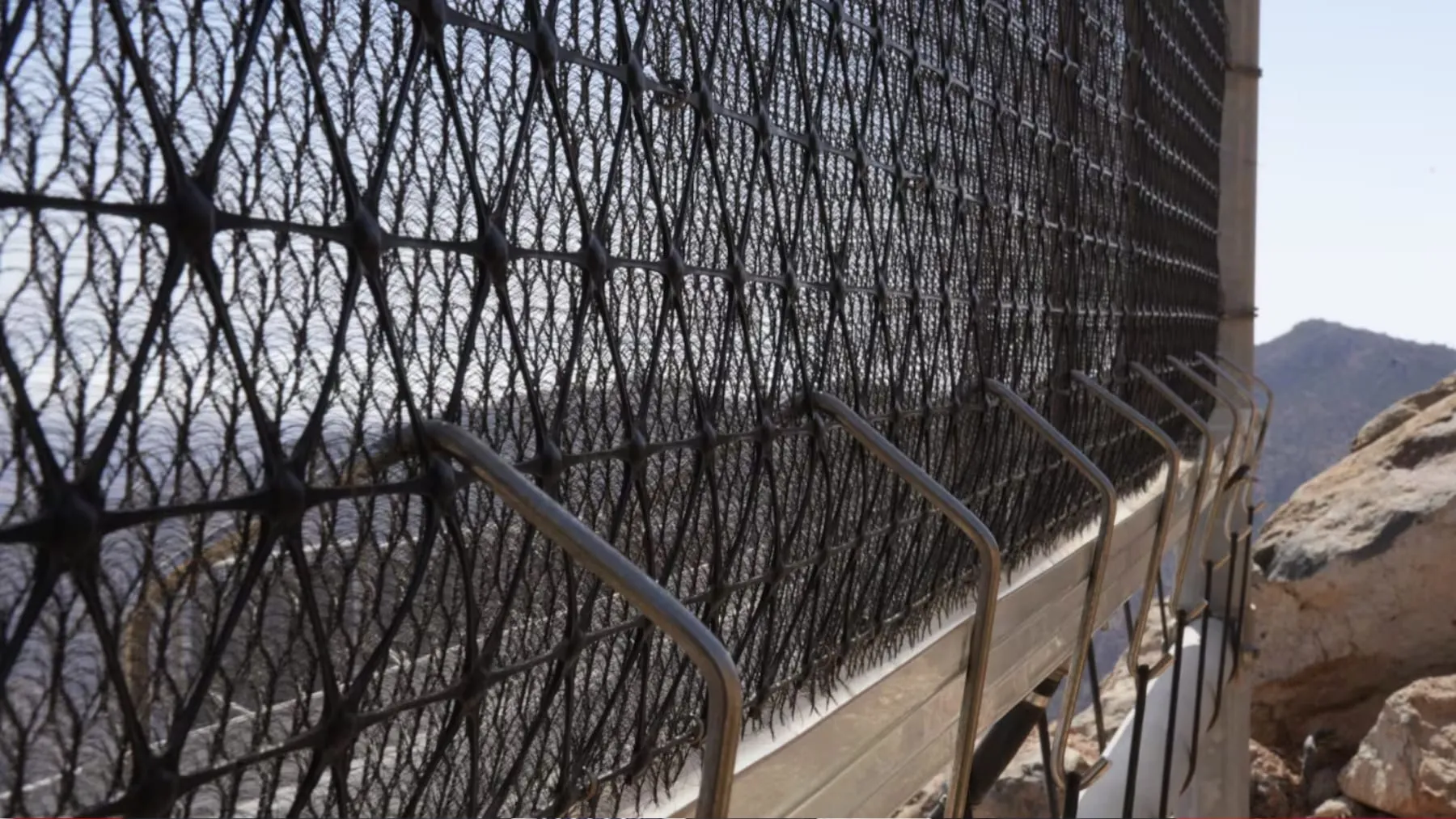
The system operates with a simple yet effective mechanism. As the wind pushes fog against the mesh, tiny droplets collide with the threads, merge into larger droplets, and then trickle down by gravity into channels that lead to storage reservoirs. This process necessitates no electricity, contributing to the system's affordability and ease of maintenance. The key component of this innovative project was designed by industrial engineer Peter Trautwein, who leads the Munich-based company Aqualonis. His invention, named CloudFisher, emerged after two years of testing the fog in the Anti-Atlas region between 2013 and 2015, with support from Munich Re Foundation. The resulting three-dimensional mesh, reinforced with a thicker plastic grid, is capable of withstanding winds of up to 120 kilometers per hour without bending.
However, Morocco does not solely produce the raw material for this endeavor. The fog is formed through the convergence of air masses, where the Azores high-pressure system meets the cold Canary current, creating low clouds laden with moisture, which the wind subsequently drives against the mountains. In essence, much of the water consumed by these villages originates from the atmospheric conditions near the Spanish islands before making its way to the African coast. The project's roots also trace back to Spanish contributions, as the first experimental collector was installed on the summit of Boutmezguida in June 2006 with technical and financial support from Vicky Marzol, a climatologist from the University of La Laguna in Tenerife. The Canary Islands are familiar with this phenomenon, having relied for centuries on the "horizontal rain" produced by the trade winds that nourish their montane forests, similar to how the networks now operate in the Anti-Atlas.
The unique climatic conditions in this area elucidate why this concept thrives here rather than elsewhere. Aït Baâmrane, one of the poorest regions in the country, is nestled between the Sahara, the Anti-Atlas mountains, and the ocean. It receives less than 132 millimeters of rain annually, yet fog appears around 143 days a year, almost half the calendar. Where traditional rainfall is scarce, suspended moisture is available for months.
The impact of this innovation is more pronounced in the daily lives of residents than in statistical data. Previously, accessing water meant walking for three to four hours a day, a burden predominantly borne by women and girls. With water now flowing from taps at home, this time-consuming task has been alleviated, leading to increased school attendance for girls since the water is now readily available, as reported by Dar Si Hmad.
Importantly, fog harvesting does not compete with large reservoirs or desalination plants that Morocco is developing along its coast; rather, it complements these systems. Unlike desalination, which is energy-intensive and produces brine, fog harvesting is a passive, waste-free system that proves invaluable in remote mountain villages where electrical infrastructure and piped water supply have yet to reach.
At present, the model is growing slowly. Dar Si Hmad currently serves sixteen villages and plans to expand the network to another dozen within the same region. It is not designed to supply urban areas, and it is essential to temper expectations regarding its reach. However, in a country facing recurrent droughts, the addition of water harvested directly from the sky holds undeniable value.
Ultimately, the Boutmezguida project highlights a simple yet profound truth: water is not always found underground or in the sea; sometimes, it exists in the air surrounding the mountains, waiting to be ingeniously harvested. This modest yet intelligent idea showcases how innovation can change lives. Detailed statistics and operational information about the CloudFisher project are available on the Wasserstiftung foundation's project sheet.
As reported by vozpopuli.com.