
A Record of Discipline: The Most Cautions in World Cup Finals
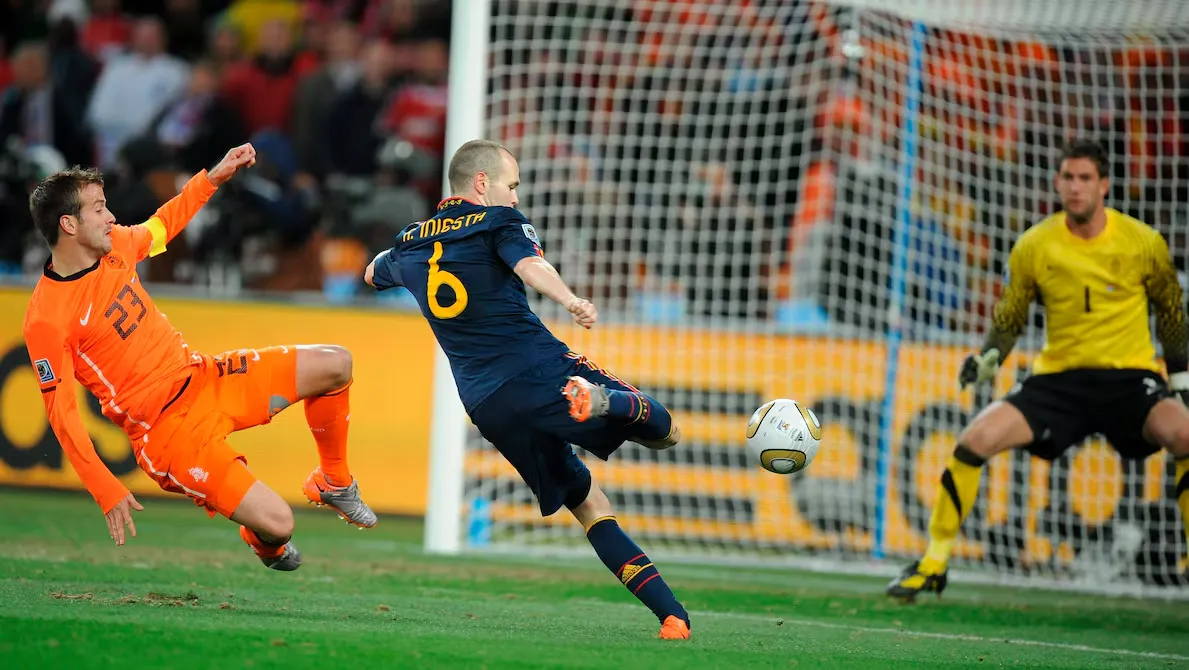
The 2010 World Cup final between Spain and the Netherlands, held in South Africa, stands out as the match with the highest number of cautions in World Cup history, recording a total of 14 yellow cards. This monumental clash not only marked Spain's first World Cup triumph but also became infamous for its intense physicality and the relentless officiating demands placed on English referee Howard Webb. The match, which unfolded in the Soccer City Stadium in Johannesburg, was a grueling contest that tested Webb's authority as he navigated through a turbulent environment where Dutch players frequently pushed the limits of physical play.
Spain, led by football legends such as Andrés Iniesta and Iker Casillas, ultimately triumphed in an agonizing extra-time victory, cementing their place in football history. The Dutch team, known as the Orange, received a total of nine cautions, culminating in a red card for John Heitinga due to a second yellow, while Spain managed five yellow cards during this high-stakes encounter.
Other Notable Matches with High Card Counts
Following closely behind in the disciplinary rankings is the dramatic 2022 final held in Qatar, which saw Argentina and France locked in a thrilling 3-3 draw. Polish referee Szymon Marciniak issued a total of eight yellow cards throughout the match, distributing five to the Argentine side and three to the French players. This match is particularly remembered for its breathtaking execution and the dramatic penalty shootout that ultimately crowned Lionel Messi's team as champions.
Another significant mention is the 1990 World Cup final, where Germany emerged victorious over Argentina with a 1-0 scoreline. In this match, Mexican referee Edgardo Codesal issued six yellow cards and, notably, the first two red cards in World Cup final history, sending Argentine players Pedro Monzón and Gustavo Dezotti off the field prematurely.
The 2006 final also showcased a tense encounter between Italy and France, with Argentine referee Horacio Elizondo handing out five yellow cards and famously showing a direct red card to French star Zinedine Zidane for headbutting Marco Materazzi during extra time. Outside of the finals, FIFA's comprehensive archives reveal only three matches in World Cup history surpassing the 14-card mark set in Johannesburg, namely the infamous "Battle of Nuremberg" between Portugal and the Netherlands in 2006, the Netherlands vs. Argentina in Qatar 2022, and the Cameroon vs. Germany clash in 2002, all of which yielded an astonishing 16 cards.
As we approach the 2026 World Cup, with its expanded format featuring 48 teams, referees will face the challenge of managing matches that may see increased physical intensity. Historical precedents indicate that World Cup finals often operate under their own unique dynamics, where players push their limits in pursuit of the most coveted trophy in football. The record of 14 yellow cards from the Soccer City match remains a formidable benchmark in officiating history, serving as a testament to the fierce competition and high stakes involved in these legendary encounters.
As reported by eluniverso.com.