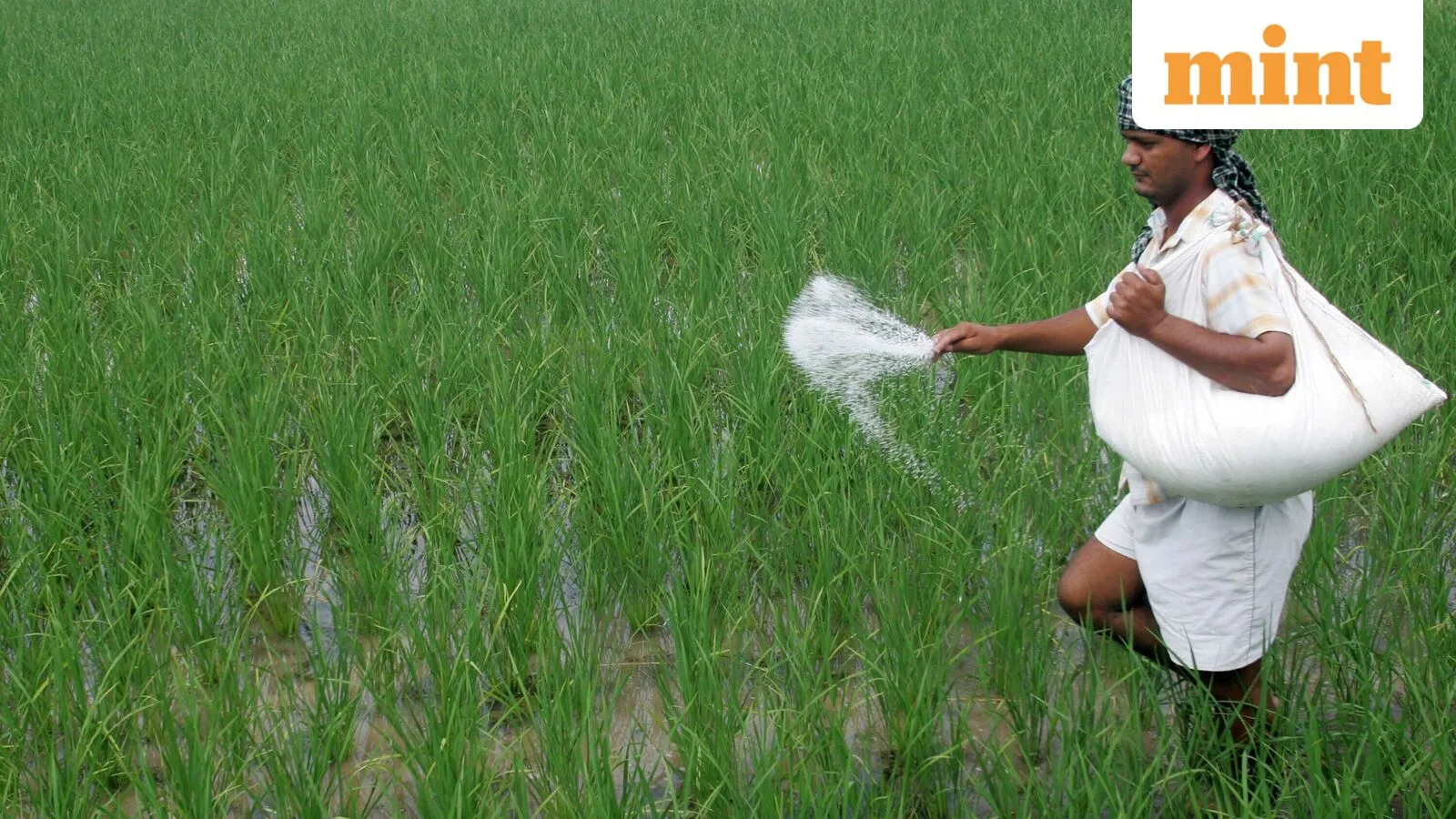

Strategic Shift in Fertilizer Sourcing
In response to escalating regional conflicts and potential maritime blockades impacting traditional supply routes, New Delhi is significantly increasing its fertilizer imports from countries outside of West Asia. As the world's largest importer of urea and diammonium phosphate (DAP), India is now focusing on enhancing its procurement from nations such as Indonesia, Belarus, Morocco, Russia, and China. This strategic decision aligns with the imperative to safeguard the country's expansive agricultural sector, which is vital for food security and economic stability. According to officials familiar with the discussions, Russia and China have quickly become critical suppliers of urea during this fiscal year, with expectations of further increases in their contributions. These officials, speaking on the condition of anonymity, emphasized the need for India to diversify its sources of fertilizer to mitigate risks associated with geopolitical tensions.
While West Asian countries have traditionally been the primary suppliers of raw materials, alternative suppliers like Indonesia and Belarus are now gaining prominence in India's fertilizer strategy. The urgency of this shift is particularly pronounced as the kharif planting season approaches in June, with India's agricultural planners keenly aware of the strategic chokepoint presented by the Strait of Hormuz, through which around 70% of India's urea imports currently pass.
Impact and Future Prospects
The Fertiliser Association of India (FAI) has indicated that the fertilizer industry is working closely with the Indian government to enhance supply chains from a broader range of countries. This collaborative effort aims to ensure that there is sufficient fertilizer availability during the crucial cropping season ahead. A spokesperson for FAI noted that India has already diversified its sources for phosphatic fertilizers, establishing long-term agreements with countries such as Morocco, Jordan, Saudi Arabia, Russia, and Belarus, thus partially shielding itself from potential supply disruptions stemming from any one region. However, communication with various government departments regarding this initiative has yet to yield responses.
The fertilizer sector is a substantial consumer of India's natural gas, accounting for approximately 30% of its total consumption. Recent government mandates prioritizing city gas distribution have further strained domestic fertilizer production, which has seen a decline of 3.2% in the first nine months of the current fiscal year. Consequently, India’s reliance on international markets has intensified, as the government remains the primary importer of urea, while private industries have the liberty to import other fertilizers independently. Experts suggest that diversifying natural gas imports from countries like Russia, Australia, the United States, and Canada could reduce India's over-reliance on a limited number of suppliers, especially in politically unstable regions.
Increasingly, the data highlights India’s vulnerability in the fertilizer market. Last fiscal year, out of the 5.64 million tons of urea imported, 70% came from Oman, Saudi Arabia, the UAE, and Bahrain, with Oman being the largest single supplier. In the DAP market, Saudi Arabia alone accounted for 41% of India's 4.57 million tons of imports. As the world's second-largest fertilizer consumer, such geographical concentration poses a significant strategic risk. While alternative sources are available, cost remains a critical factor influencing India's import decisions.
As reported by livemint.com.