Iran's Nuclear Ambitions at the Forefront of Global Discussions
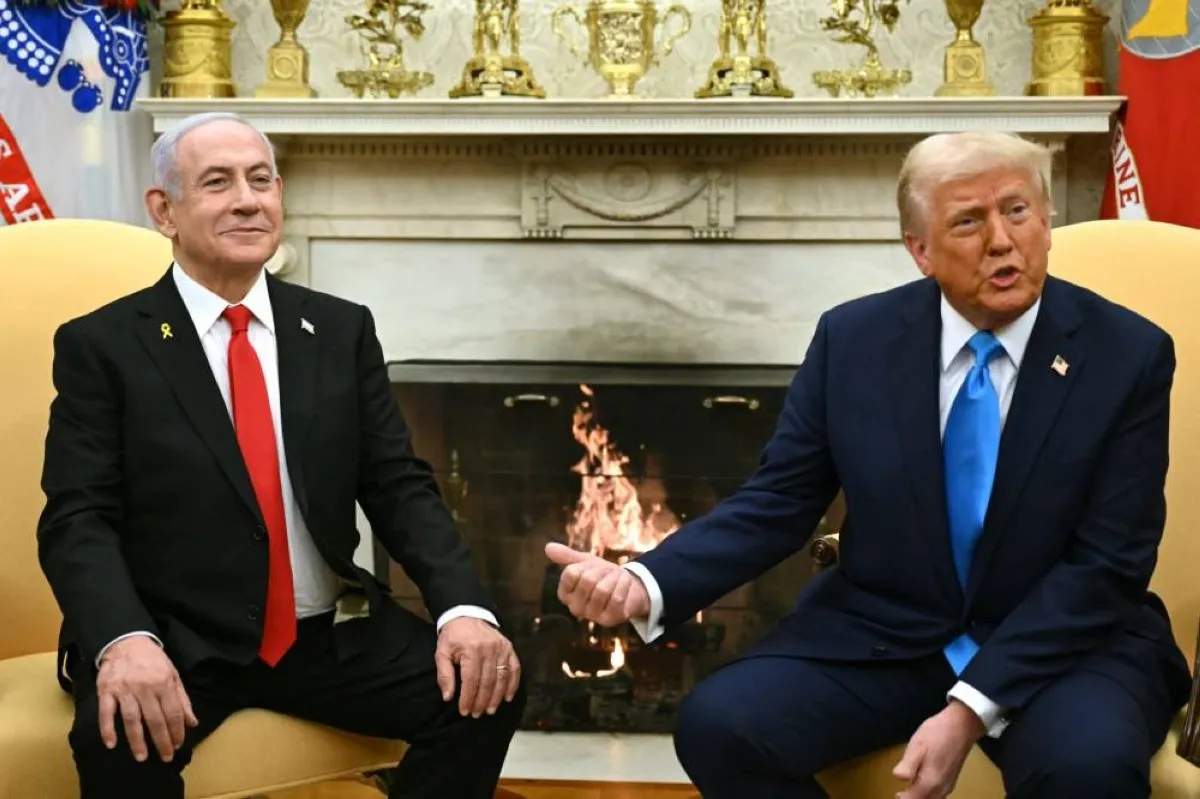
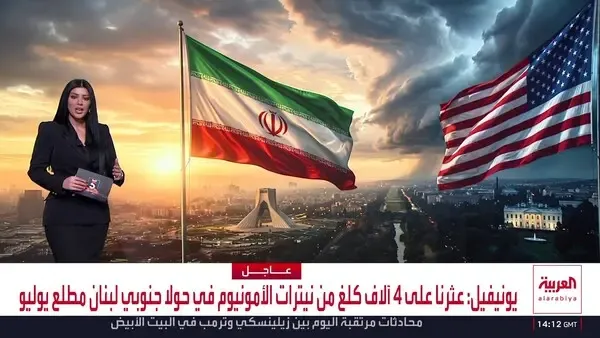
The fate of Iran's 'Mount Faz' nuclear facility stands as a significant agenda item for an upcoming meeting between former U.S. President Donald Trump and Israeli Prime Minister Benjamin Netanyahu. The discussions are anticipated to focus on Iran's expanding nuclear capabilities, which have raised concerns among Western nations and their allies. The facility, often shrouded in secrecy, is part of Iran's broader nuclear program that has been a contentious issue in international relations for years.
As the geopolitical landscape evolves, Trump's engagement with Netanyahu reflects a concerted effort to address pressing security challenges posed by Iran's nuclear ambitions. The meeting is expected to explore strategies aimed at curbing Iran's nuclear development, which many believe could lead to the proliferation of nuclear weapons in the Middle East. Both leaders share a commitment to ensuring that Iran does not achieve a nuclear weapons capability, a concern that resonates deeply within the framework of regional stability and security.
Moreover, the discussions are likely to encompass the implications of any potential military actions versus diplomatic efforts to contain Iran's nuclear program. The historical context of U.S.-Israel relations adds another layer of complexity, as both nations have often collaborated on intelligence and military operations aimed at countering perceived threats from Iran. The outcome of this meeting could influence future policies and international responses to Iran's nuclear activities.
Broader Implications for Middle Eastern Stability
The implications of the discussions between Trump and Netanyahu extend beyond bilateral relations, as they may also affect the dynamics of regional alliances and conflicts. Iran's nuclear ambitions have become a focal point for various stakeholders in the Middle East, including Saudi Arabia and other Gulf states, who view a nuclear-capable Iran as a direct threat to their national security.
In light of these developments, the international community remains watchful, awaiting the results of the Trump-Netanyahu meeting. The potential for renewed sanctions, military interventions, or diplomatic negotiations could reshape the future of Iran's nuclear program and its role within the region. As the world grapples with the complexities of nuclear proliferation, the discussions between these two influential leaders will undoubtedly carry significant weight in determining the trajectory of Iran's nuclear ambitions and the overall stability of the Middle East.
As reported by alarabiya.net.