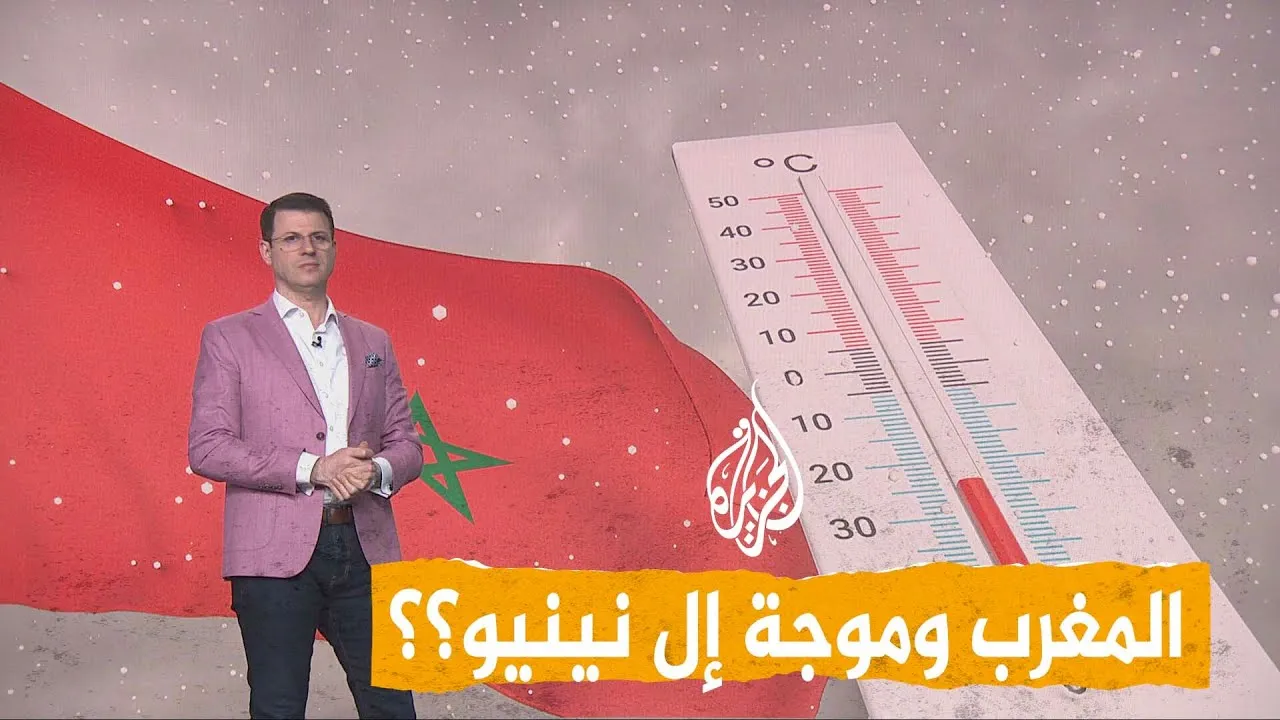

Understanding the Climate Threat to Morocco
In a recent discussion, meteorologists have raised alarms regarding the potential impact of climate change on Morocco, particularly in light of the United Nations' warning about the imminent return of the El Niño phenomenon. This climatic event is characterized by a significant rise in temperatures in the tropical Pacific Ocean, which can lead to widespread disruptions in weather patterns globally. With the likelihood of El Niño developing in the coming months estimated at around 80%, Morocco may experience drastic shifts in climate that could affect agriculture, water resources, and overall environmental stability.
El Niño's effects are not only confined to temperature increases; it can also lead to severe droughts or unexpected heavy rainfall in regions far from the equator. For Morocco, this could mean detrimental impacts on its already vulnerable agricultural sector, which relies heavily on predictable weather patterns. The potential for crop failures and water shortages could exacerbate existing socio-economic challenges, especially in rural areas where communities depend on agriculture for their livelihoods.
Preparing for Climate Challenges
As Morocco braces for the possible repercussions of El Niño, experts emphasize the importance of proactive measures to mitigate the effects of climate change. This includes investing in climate-resilient agricultural practices, improving water management systems, and enhancing forecasting capabilities to better prepare for sudden weather shifts. Policymakers are urged to prioritize sustainability initiatives that not only address the immediate impacts of climate phenomena but also work towards long-term environmental stewardship.
In summary, Morocco stands at a critical juncture as it faces the dual challenges of climate change and the impending El Niño phenomenon. By taking decisive action now, the country can safeguard its natural resources and ensure the resilience of its communities against the unpredictable nature of climate change.
As reported by youtube.com.