
Government's Investment Disparities Spark Criticism
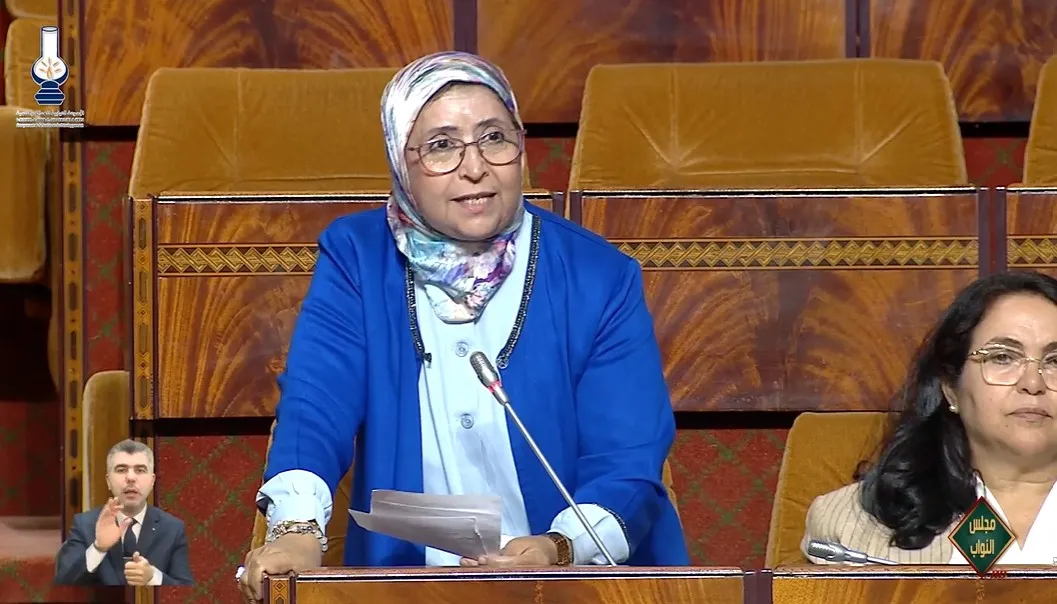
Naima Al-Fattahawi has expressed serious concerns regarding the significant disparities in the allocation of public investments across different regions of Morocco. She highlighted the alarming fact that a mere three regions are accounting for an astonishing 64 percent of the total public investment, while the remaining regions collectively receive only 34 percent. In some areas, the share of investments is as low as 0.6 percent, which raises profound questions about the equitable distribution of resources and opportunities within the nation.
During her recent address at the weekly oral question session of the House of Representatives, Al-Fattahawi questioned the reasons behind the continued marginalization of several regions, including Drâa-Tafilalet, Souss-Massa, Guelmim-Oued Noun, Béni Mellal-Khénifra, and the eastern region. She emphasized that these areas are still grappling with a lack of investment attractiveness and a dearth of structured projects capable of generating job opportunities and fostering development.
Calls for Greater Equity in Investment
Al-Fattahawi further stated that citizens residing in rural and remote areas, as well as in vulnerable regions and oases, do not perceive any tangible impact from the government’s investment figures and announcements. While they hear about billions of dirhams allocated for developmental projects, they fail to see any real-world effects on their daily lives. She argued that discussions surrounding advanced regional and spatial justice lose their meaning amid persistent developmental disparities and the concentration of public investment in a limited number of regions.
In the same vein, she criticized the government's boastful claims regarding the implementation of the Investment Charter, questioning the actual outcomes of this initiative, the number of projects that have been realized on the ground, and the extent of job creation it has facilitated. Al-Fattahawi pointed out that residents are growing weary of hearing numerous statistics without witnessing any concrete results.
Moreover, she addressed the situation of Moroccans living abroad, noting that they face significant challenges in making investments despite their substantial contributions to the national economy through remittances, which amount to 122 billion dirhams. She called for the establishment of more conducive conditions to encourage these individuals to invest, thereby contributing to economic development and job creation across different regions of the country.
As reported by pjd.ma.