
Significant Developments in African Politics This Week
This week, Jeune Afrique has highlighted critical political developments across Africa, focusing on escalating tensions within Senegal's government, implications of recent OPEC changes for African oil producers, and noteworthy statements from Congolese President Félix Tshisekedi. The dynamic political landscape reflects the challenges leaders face as they navigate complex issues within their nations.
1. Escalating Tensions in Senegal's Leadership
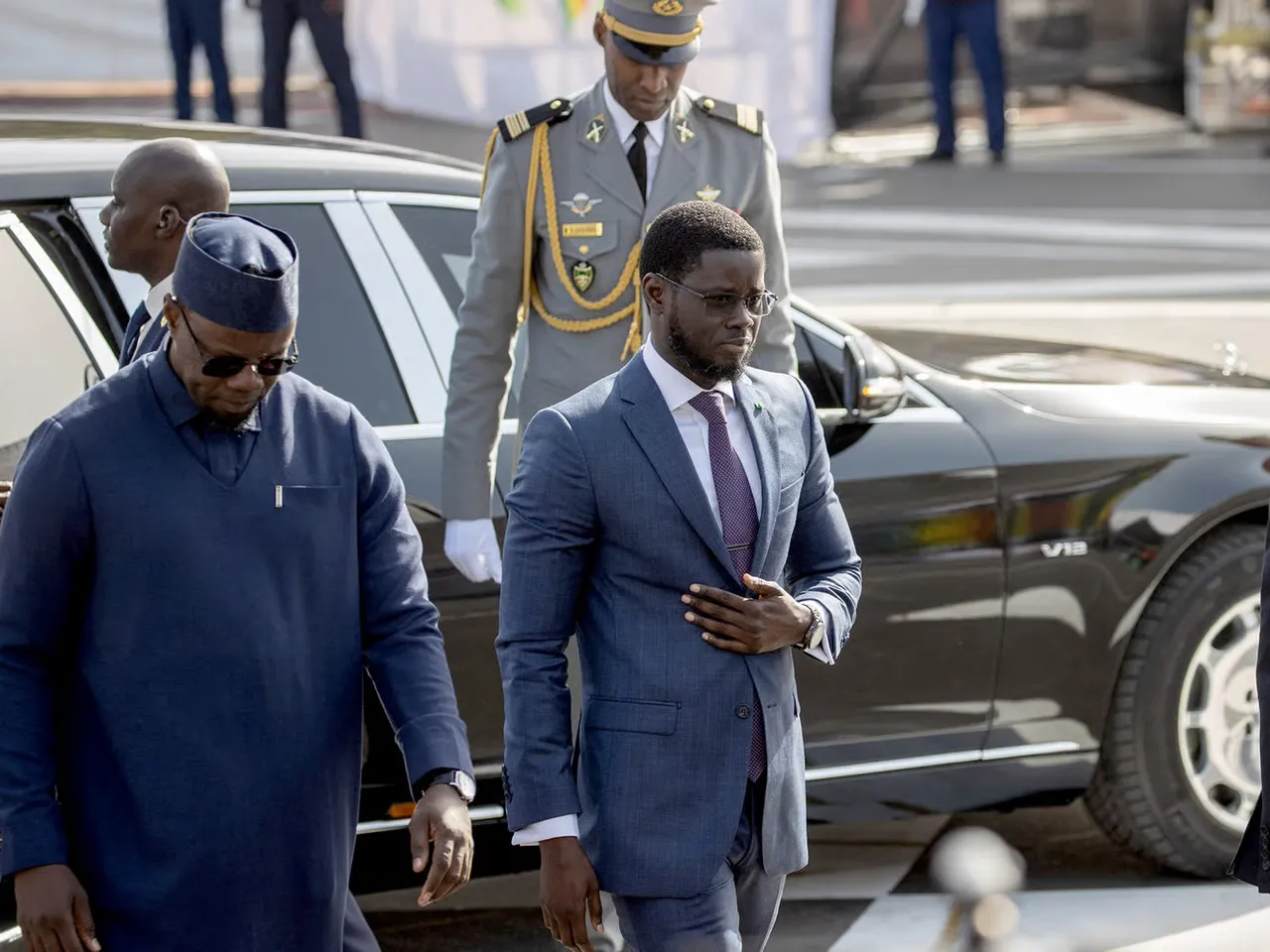
In Senegal, the ongoing conflict between President Bassirou Diomaye Faye and Prime Minister Ousmane Sonko has intensified, creating a palpable sense of unrest within the government. Following a revealing interview on RTS, President Faye openly addressed the criticisms he has faced from Sonko and other members of their jointly founded party, the Patriotes africains du Sénégal pour le travail, l’éthique et la fraternité (Pastef). During his statements, Faye emphasized that Senegal does not require a 'messiah' but rather a critical mass of engaged citizens aware of the pressing national issues. He further asserted his authority by reminding Sonko that the decision to retain or replace him as Prime Minister rests solely with him. "As long as he holds this position, it is because he has my trust and is performing his duties satisfactorily," Faye stated, hinting at the potential for future changes should this cease to be the case.
In response to the growing tensions, a series of political reshuffles has occurred within Faye's administration, including the appointment of lawyer Abdoulaye Tine as a ministerial advisor and spokesperson for the presidency, replacing former Pastef member Ousseynou Ly. This restructuring reflects the increasingly fractious atmosphere at the top levels of Senegalese politics, particularly as supporters of both leaders rally around their respective factions.
2. Tshisekedi's Potential Third Term and OPEC's Impact on Africa
In the Democratic Republic of Congo, President Félix Tshisekedi has not ruled out the possibility of pursuing a third presidential term. This announcement comes amid speculation regarding his political future and the strategic positioning of his administration ahead of upcoming elections. Tshisekedi's contemplation of a third mandate is significant, as it could reshape the political landscape in the DRC, stirring debates about governance and continuity in leadership.
Additionally, the recent departure of the United Arab Emirates from OPEC has raised substantial questions regarding the future of oil production in Africa. This shift is expected to have profound implications for African oil producers, who are navigating an increasingly competitive global market. The changes within OPEC may necessitate a reevaluation of strategies among African oil-exporting nations, as they seek to maintain their influence and economic stability in light of shifting alliances and production quotas.
These developments, alongside a notable arrest of a well-known scammer in Morocco, emphasize the diverse challenges and stories emerging from across the continent. The political dynamics in Senegal and the DRC serve as reminders of the intricate balance of power in African governance and the ongoing impact of external economic factors.
As reported by jeuneafrique.com.